Forget the fad diets and miracle pills cluttering your social media feed. Real weight loss boils down to understanding how your body processes food and finding an eating pattern you can actually stick with beyond next Tuesday. Most people already know that eating less helps you lose weight—the tricky part is figuring out which specific approach won't leave you miserable, broke, or face-down in a pint of ice cream by Thursday night.
How Weight Loss Diets Work
Every diet that's ever worked—from keto to cabbage soup—operates on the same principle: you need to burn more energy than you consume.
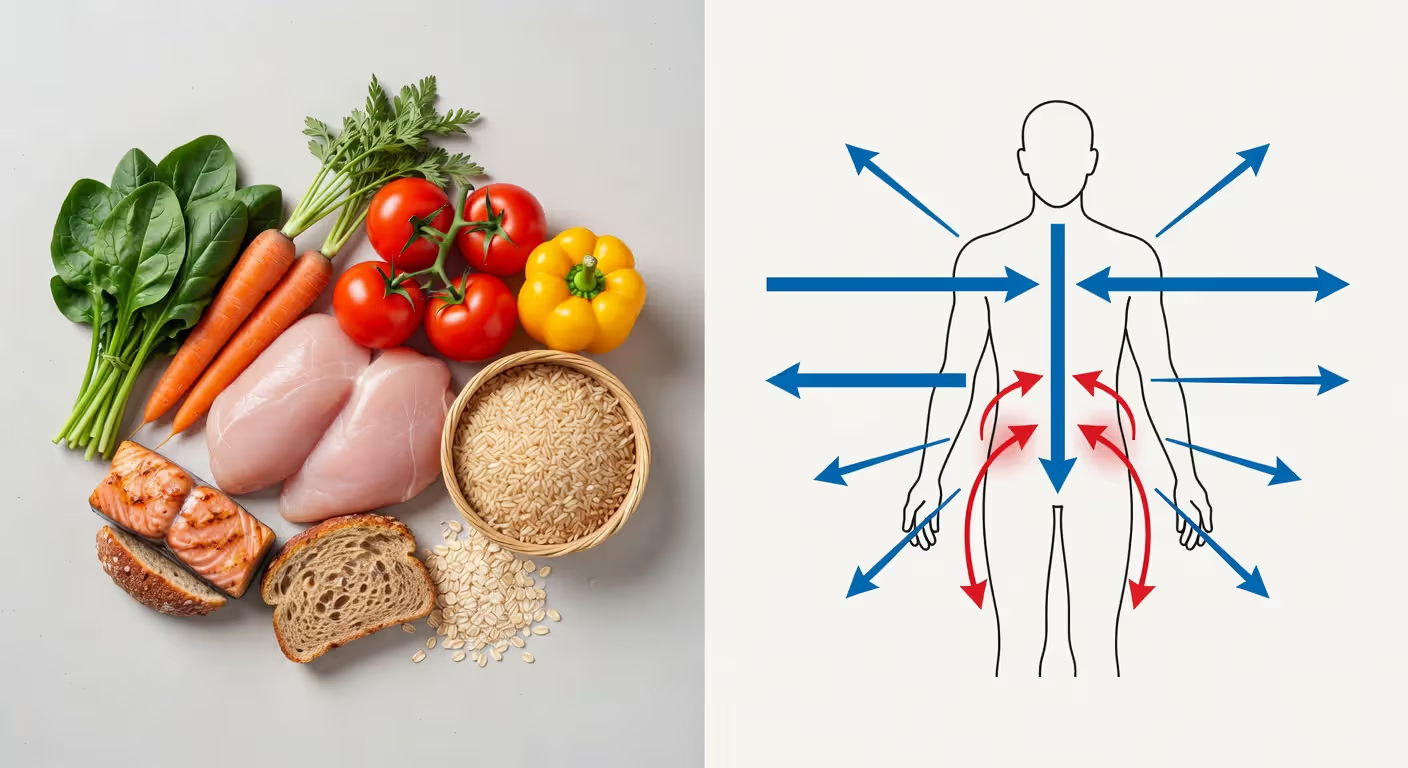
Think of your body as a checking account. Food deposits calories. Everything you do—walking, sleeping, digesting breakfast, even scrolling through your phone—withdraws them. When withdrawals exceed deposits, your body taps into savings (stored fat) to cover the difference. That's weight loss.
Now, not all calories behave identically once they're inside you. The three macronutrients—protein, carbs, and fats—each play distinct roles. Protein rebuilds tissues and keeps you feeling full for hours, which explains why a chicken breast satisfies longer than a bagel with identical calories. Carbohydrates fuel your brain and muscles, especially during anything intense like running or lifting weights. Fats help produce hormones and let your body absorb vitamins A, D, E, and K.
Your metabolism—the rate at which you burn calories just existing—varies based on age, how much muscle versus fat you carry, your activity patterns, and genetics. A 200-pound person naturally burns more energy than someone weighing 130, even while watching Netflix. Men typically burn more than women because they carry more muscle tissue on average.
Here's where things get tricky: slash your calories too aggressively, and your metabolism actually slows down. Your body interprets extreme restriction as starvation and starts conserving energy like a smartphone in low-power mode. That's why the most effective approaches create moderate deficits—usually 500 to 750 calories below what maintains your current weight.
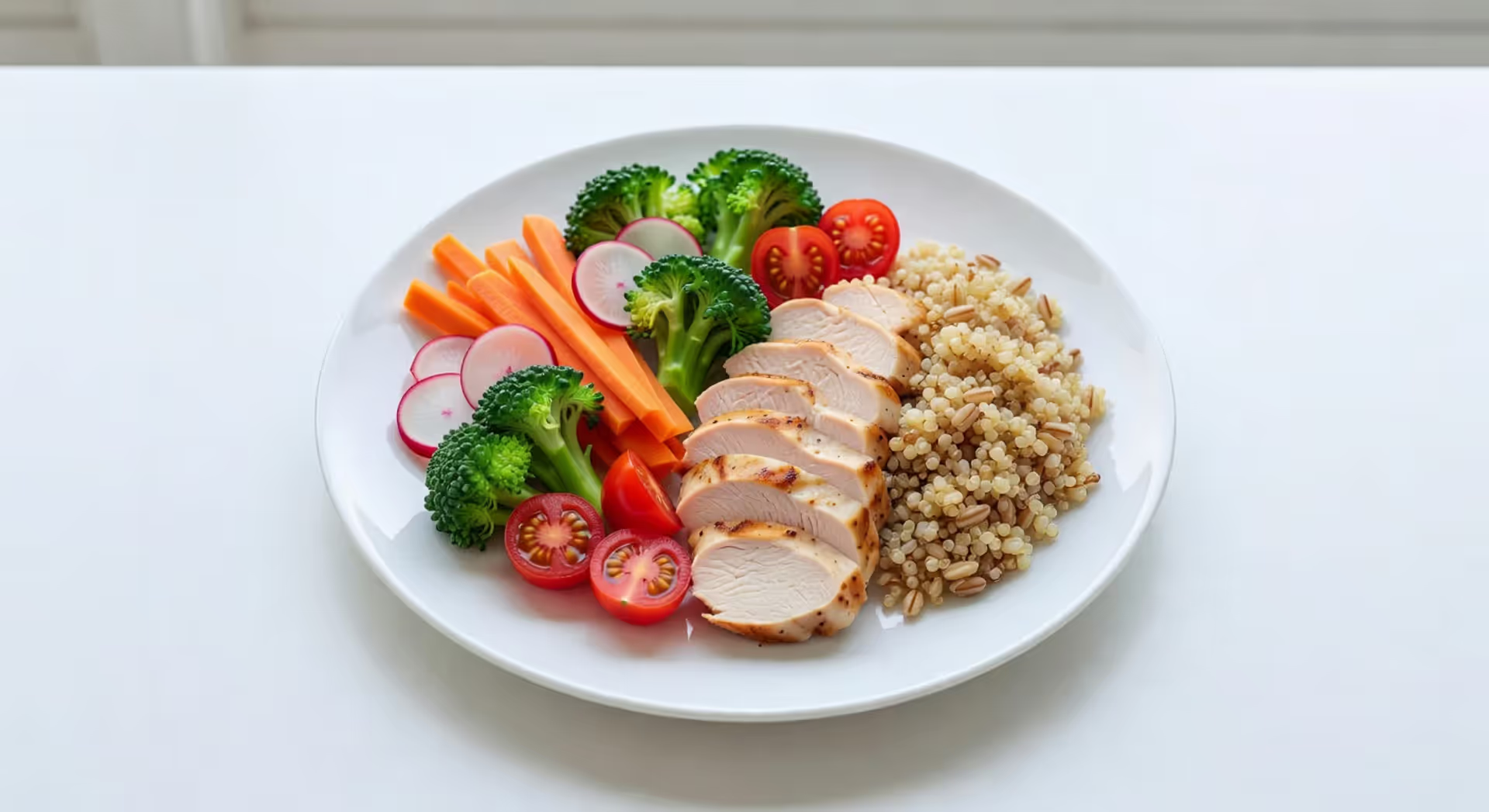
The biggest mistake? Obsessing over calorie numbers while ignoring food quality. You could technically eat 1,500 calories of candy bars daily and lose weight, but you'd feel terrible, lose muscle mass, and probably quit within days. Compare that to 1,500 calories from whole foods with balanced protein, carbs, and fats—you'll feel energized and actually want to continue.
Types of Diets for Weight Loss
The weight loss world offers more paths than a hiking trail map. Here are the most studied options, each with its own philosophy and quirks.
Mediterranean Diet This approach copies how people eat in coastal Greece, southern Italy, and parts of Spain. You'll load up on vegetables, fruits, fish two or three times weekly, extra virgin olive oil as your main fat, whole grains, and maybe some red wine. Red meat shows up rarely—think twice a month instead of twice a day.
What works: people actually stick with it long-term, your heart benefits tremendously, and decades of research back it up. What doesn't: weight comes off gradually (not overnight), and quality ingredients like wild salmon and real olive oil can cost more than frozen pizza.
Ketogenic (Keto) Diet Flip the typical food pyramid upside down. You'll get 70-80% of calories from fats, moderate protein, and minimal carbs (typically under 50 grams daily). This forces your body into ketosis, where it burns fat for fuel instead of glucose.
Many people see rapid initial results and feel surprisingly un-hungry. But you'll eliminate entire food groups—bread, pasta, rice, most fruits, potatoes. Eating out becomes a negotiation, and the first week can bring headaches, fatigue, and brain fog that devotees call "keto flu."
Intermittent Fasting This focuses on when you eat rather than what. Popular versions include 16:8 (eat all your food within 8 hours, fast for 16) or 5:2 (eat normally five days, drop to 500-600 calories on two non-consecutive days).
The appeal? Fewer meals means less planning and cooking. The downside? Your work schedule or hunger patterns might clash with restricted eating windows, and some people can't focus when fasting.
Low-Carb Diet Less extreme than full keto, these plans usually cap carbs at 50-150 grams daily. You'll minimize bread, pasta, rice, and sugar while increasing protein and healthy fats.
It's easier to follow than strict keto while still delivering steady weight loss. Athletes sometimes notice their performance drops, particularly during high-intensity workouts.
Plant-Based Diet This ranges from vegetarian (no meat but yes to eggs and dairy) to strict vegan (zero animal products). Your plate centers on vegetables, fruits, legumes, whole grains, nuts, and seeds.
You'll naturally get tons of fiber and micronutrients while keeping calories reasonable. The challenge? Meeting protein needs and getting nutrients like B12, iron, and omega-3s requires planning.
DASH Diet Originally designed to lower blood pressure, DASH (Dietary Approaches to Stop Hypertension) also helps with weight loss. It emphasizes produce, whole grains, lean proteins, and low-fat dairy while limiting sodium, red meat, and added sugars.
The nutritional balance makes it sustainable long-term. However, like Mediterranean eating, it's built for gradual rather than dramatic results.
Paleo Diet The idea: eat like our pre-agricultural ancestors. That means meat, fish, vegetables, fruits, nuts, and seeds. No grains, legumes, dairy, or processed foods.
Some people thrive eliminating these foods. Others find the restrictions frustrating and expensive, especially the emphasis on grass-fed meats and organic produce.
There's no universally "best" diet. The winner is whichever one you can maintain without feeling like you're serving a prison sentence.
How to Choose the Right Diet to Lose Weight
Picking a diet isn't about finding the objectively perfect system—it's about matching a strategy to your actual life.
Start by looking honestly at what you already enjoy eating. Love pasta and fresh-baked bread? Keto will feel like torture. Can't imagine meals without meat? Plant-based isn't your answer. The diet that works is the one that doesn't turn every meal into a negotiation with yourself.
Consider your schedule. Working night shifts or irregular hours? Time-restricted eating might constantly conflict with your routine. Travel frequently for work? You'll need flexibility rather than elaborate meal prep.
Health conditions matter. If you're managing diabetes, blood sugar stability becomes crucial. High cholesterol? Mediterranean or plant-focused eating patterns often help. Always consult your doctor before making major dietary changes, especially if you take medications.
The approach that delivers lasting results never feels like deprivation. When you're constantly battling cravings, feeling restricted, or mentally counting down until you can return to "normal" eating, you haven't discovered your sustainable path. Weight reduction should emerge as a natural consequence of healthier patterns, not a temporary penalty you endure.
Think long-term. Can you honestly see yourself eating this way six months from now? Two years? Ten? Extreme diets promising rapid transformation usually backfire because they're impossible to maintain. You drop weight temporarily, then regain it all (often plus extra) when you inevitably return to old habits.
Budget matters more than Instagram influencers admit. Organic everything, grass-fed proteins, and specialty products drain bank accounts fast. Effective eating doesn't require premium ingredients. Dried beans, frozen vegetables, eggs, and canned fish deliver quality nutrition affordably.
Your personal preferences aren't trivial—they're critical data. Hate cooking? Choose simpler approaches. Love trying new recipes? Plans with variety will keep you engaged.
Usually, the simpler path wins. Don't overcomplicate what should be straightforward.
Creating Your Weekly Diet Plan for Weight Loss
Theory without action accomplishes nothing. Here's how to turn any dietary philosophy into a working seven-day plan.
Figure out your calorie target. Most women see steady progress at 1,400-1,800 calories daily. Most men at 1,800-2,200. These are starting points—you'll adjust based on what actually happens.
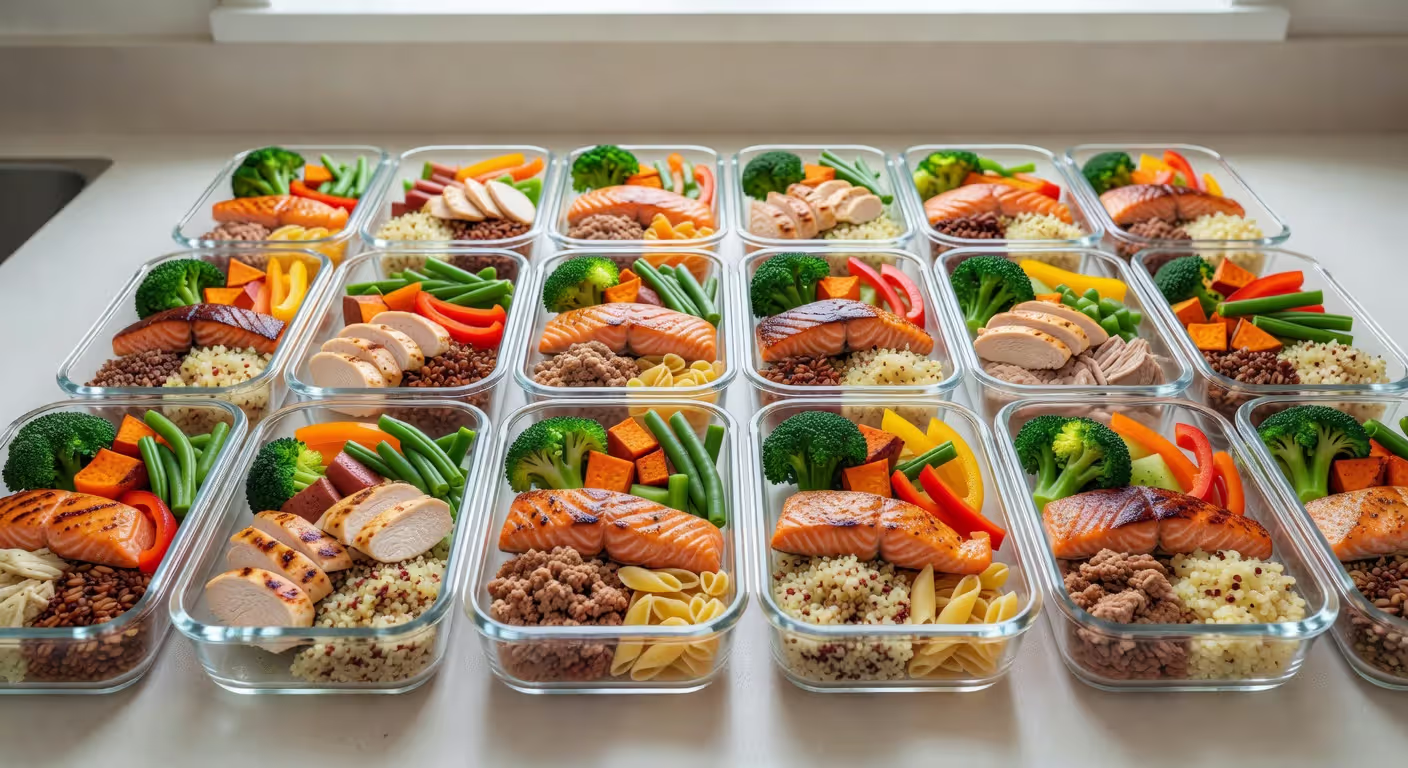
Batch-cook your food. Weekend meal prep works because it's practical. Cook several servings of protein at once: roasted chicken thighs, baked salmon, hard-boiled eggs. Chop vegetables ahead. Prepare grain bases or salad foundations. You're not making complete meals—you're creating mix-and-match components for the week.
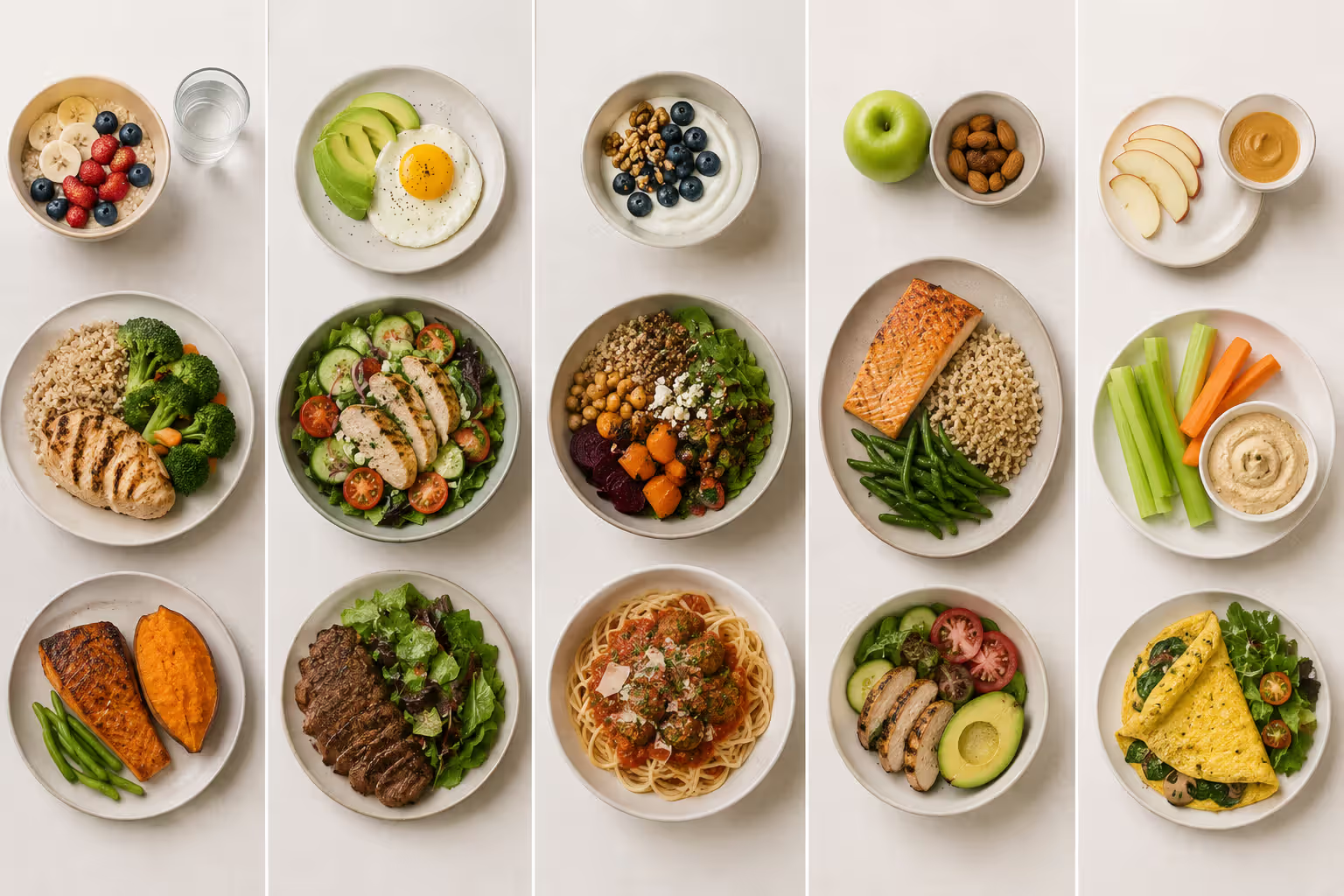
Create structure around anchor meals. Maybe breakfast always includes eggs and vegetables. Lunch consistently pairs protein with a big salad. Dinner allows more variety. This eliminates decision fatigue without creating monotony.
Here's what a typical day might look like:
Breakfast (7 AM): Three-egg scramble with spinach and mushrooms, half an avocado, black coffee
Lunch (12:30 PM): Grilled chicken over mixed greens with olive oil vinaigrette, cherry tomatoes, cucumber
Snack (3 PM): Plain Greek yogurt with fresh berries
Dinner (6:30 PM): Baked salmon with roasted broccoli and quinoa
That comes to roughly 1,600 calories with balanced macros. You can shift timing and swap specific foods while keeping the framework.
Learn portion sizes without becoming obsessive. You don't need to weigh food forever, but do it for two weeks to calibrate your eye. A serving of meat roughly matches your palm. Carbs fit in your cupped hand. Fat servings approximate your thumb size.
Shop the grocery store strategically. Perimeter aisles contain most whole foods—produce, meat and seafood counters, dairy. Interior aisles concentrate processed options. Not forbidden, just not your foundation.
Set up your environment for success. Remove highly tempting foods from your house during the first few weeks. Stock convenient healthy options: pre-washed salad greens, rotisserie chicken, frozen vegetable bags, canned tuna. When you're exhausted and hungry, you'll grab whatever's easiest.
Build in flexibility deliberately. Structure 5-6 days tightly and accommodate restaurant meals or social events. Sustainable plans account for real life.
Common Weight Loss Diet Mistakes to Avoid
Smart people repeatedly make the same predictable errors. Here are the traps that derail most people.
Changing everything at once. You decide to cut calories to 1,200, eliminate all carbs, and start exercising daily—all on Monday. This lasts maybe a week before complete burnout. Change one or two things initially. Give your body time to adjust.
Skipping meals to "save" calories. This backfires spectacularly. You get ravenous, your blood sugar crashes, and you overeat later. Regular meals maintain metabolic stability and prevent the starve-binge cycle.
Ignoring protein. Without enough protein during calorie restriction, your body may break down muscle for energy. Aim for 0.7-1 gram per pound of your goal weight. If you're targeting 200 pounds, that's 140-200 grams daily.
Drinking your calories mindlessly. Juice, soda, fancy coffee drinks, alcohol—they add up fast without filling you up. A large mocha contains 400 calories. That's an entire meal.
Thinking "healthy" means unlimited. Almonds, avocado, olive oil, nut butters—they're nutritious. They're also calorie bombs. A small handful of almonds makes a good snack. The whole container delivers 1,600 calories.
Setting unrealistic timelines. You didn't gain 30 pounds in four weeks. You won't lose it that fast either. Sustainable loss averages 1-2 pounds weekly. Slower is often better for permanent results.
Giving up after one indulgent meal. You ate pizza and ice cream. So what? One meal doesn't erase a week of good choices. The real mistake is thinking you've "ruined everything" and abandoning your plan entirely. Just get back on track at your next meal.
Ignoring hunger and fullness cues. Your body knows more than any app. When you're genuinely hungry, eat something nutritious. When you feel satisfied before your plate is empty, stop. Don't override these signals to hit arbitrary numbers.
Measuring Progress Beyond the Scale
Scale weight provides useful information. It's not the complete story.
Weight fluctuates daily based on water retention, hormonal shifts, sodium intake, and bathroom timing. Gaining two pounds overnight doesn't mean you gained fat—it's probably water from yesterday's salty restaurant meal.
Weigh yourself once weekly, same day, same time, same conditions (ideally first thing in the morning after the bathroom, before eating or drinking). Watch the trend over 3-4 weeks, not daily swings.
Take body measurements monthly. Record your waist, hips, chest, arms, and thighs. You can lose inches while the scale barely moves, especially when building muscle.
Pay attention to how clothes fit. That's practical feedback you can feel. When your jeans get progressively looser, you're making real progress regardless of the number on the scale.
Notice energy level shifts. Sleeping better? Waking refreshed? Maintaining energy through the afternoon? These improvements matter more than fitting into a specific size.
Track fitness improvements. Can you climb stairs without getting winded? Do more push-ups? Recover faster after workouts? Physical performance indicates health better than weight alone.
Watch your relationship with food change. Are you less obsessed with eating? Feel more in control around trigger foods? Can you have one cookie instead of the whole package? These behavioral shifts predict long-term success.
When progress stalls—and it will—adjust one variable. Cut calories by 100-200, add a 20-minute daily walk, or tighten up portion accuracy. Wait two weeks and reassess. Small tweaks beat dramatic overhauls.
FAQ: Weight Loss Diet Questions Answered
How much weight can I lose in a month on a healthy diet?
Expect to lose 4-8 pounds monthly, or about 1-2 pounds per week. This pace preserves muscle and increases your chances of keeping the weight off permanently. Your first month might show bigger losses due to water weight dropping, especially on lower-carb plans, but don't expect that pace to continue. Losing faster than 2 pounds weekly often means you're sacrificing muscle, slowing your metabolism, and setting yourself up for regain.
Do I need to exercise while following a weight loss diet?
You can lose weight through diet alone, but adding movement makes the process more effective and healthier. Exercise burns extra calories, protects muscle during calorie restriction, improves insulin sensitivity, and boosts mood. You don't need intense workouts—a daily 30-minute walk produces real benefits. Lifting weights 2-3 times weekly helps preserve your metabolic rate as pounds come off. The best exercise is whatever you'll actually do consistently.
What should I do if my weight loss stalls?
Plateaus happen to everyone. First, confirm you're actually stuck—weight should stay flat for 3-4 consecutive weeks before calling it a plateau. Check that your portions haven't gradually increased (portion creep is real), track everything you eat for a week to spot hidden calories, and make sure you're sleeping enough (poor sleep messes with hunger hormones). If everything checks out, reduce daily calories by 100-200 or add 20-30 minutes of activity. Sometimes taking a "diet break"—eating at maintenance calories for 1-2 weeks—can reset hormonal responses and break through stubborn plateaus.
Are cheat meals allowed on a weight loss diet?
The word "cheat" creates an unhealthy mindset around food. Instead, build intentional flexibility into your plan. When you eat well 80-90% of the time, occasional restaurant meals or desserts won't wreck your progress. Problems start when one planned indulgent meal turns into an entire weekend binge because you've mentally labeled it "cheating" and figure you've already failed. Plan ahead for social events, enjoy them without guilt, then return to your normal pattern right away. What you do consistently over weeks matters way more than being perfect every single day.
How many calories should I eat to lose weight?
Your ideal intake depends on current weight, activity level, age, and sex. Here's a rough calculation: multiply your target weight by 10-12 if you're sedentary, 12-14 for moderate activity, or 14-16 for high activity. Someone at 180 pounds targeting 150 with moderate activity might start around 1,800-2,100 daily. Track your intake and weight for 2-3 weeks, then adjust. Not losing? Drop by 100-200 calories. Dropping more than 2 pounds weekly after the first month? Add calories back. Your body's response gives you the most accurate guidance.
Can I follow a weight loss diet if I have dietary restrictions?
Absolutely—every approach can accommodate restrictions. Vegetarian? Mediterranean or plant-based plans work great. Gluten intolerance? Focus on naturally gluten-free whole foods. Dairy sensitivity? Skip cheese and use plant-based alternatives. The core principles stay the same—calorie deficit, nutrient balance, whole food emphasis. You might need extra attention to get certain nutrients (like protein on vegan plans or fiber on keto), but it's completely doable. A registered dietitian can help navigate specific medical conditions or multiple restrictions.
Weight loss isn't about finding the mythical perfect diet—it's about identifying the approach that fits smoothly enough into your daily life to become your new normal. Start with one sustainable change, build gradually from there, and remember that slow, steady progress still gets you where you want to go.