You know that frustrating feeling when you're eating healthy but the scale won't budge? Here's what most people miss: inflammation inside your body can literally block fat loss, no matter how many salads you eat. When your immune system stays on high alert for weeks or months, it messes with your hunger hormones, slows down your metabolism, and tells your body to hoard fat around your midsection. The good news? Switching to foods that calm inflammation—rather than just cutting calories—can finally unlock the weight loss you've been working toward. This isn't about juice cleanses or eliminating entire food groups. It's about understanding which everyday foods are secretly keeping you inflamed and swapping them for alternatives that help your body heal and slim down naturally.
How Inflammation Affects Your Weight
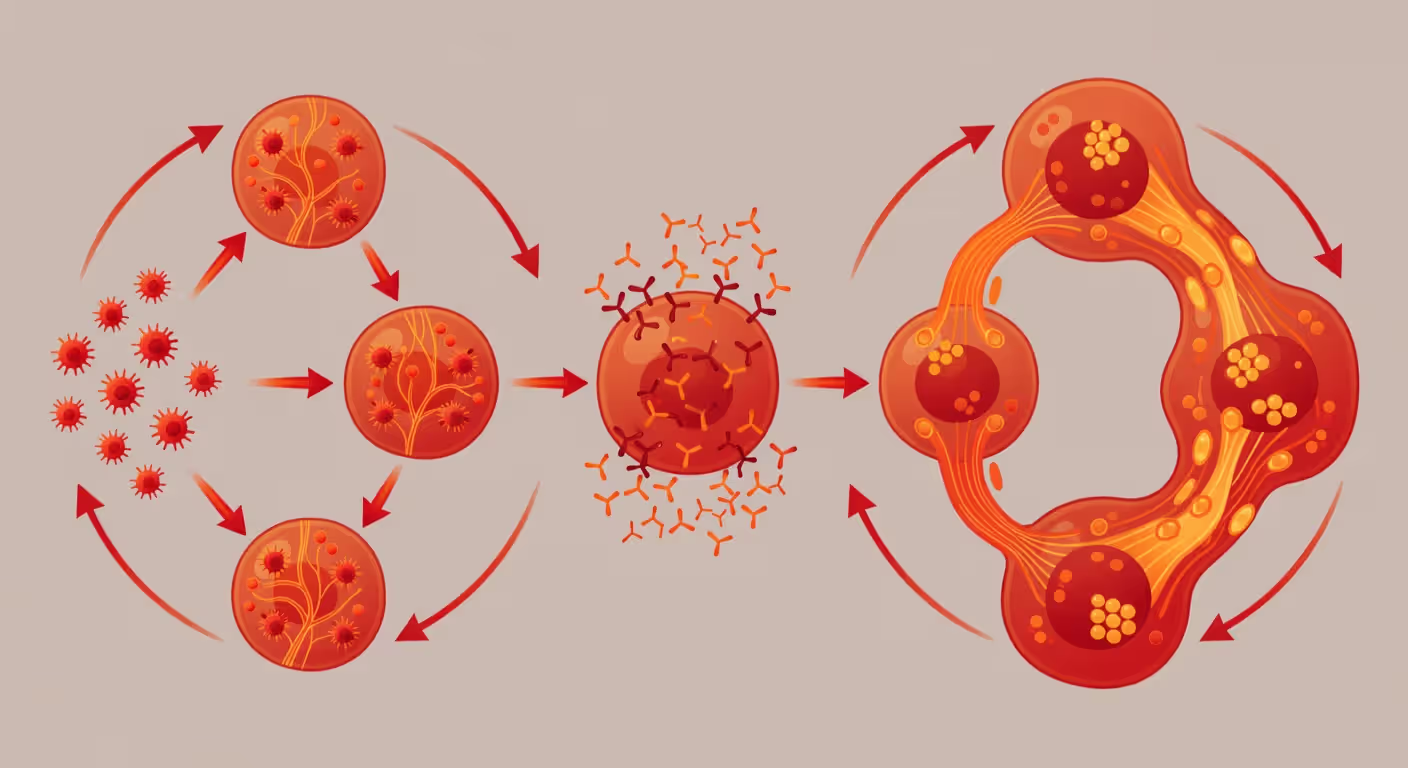
Think of inflammation as your body's fire alarm. When you cut your finger or catch a cold, inflammation shows up to handle the problem, then disappears. That's healthy and normal.
The trouble starts when that alarm never shuts off. Poor food choices, too little sleep, constant stress, or toxins in your environment can keep inflammation running 24/7. And here's where weight loss becomes nearly impossible.
Your cells stop responding properly to insulin—the hormone that ushers sugar from your bloodstream into cells for energy. When cells ignore insulin's knock on the door, sugar stays circulating in your blood. Your pancreas notices this and pumps out even more insulin, trying to force the issue. High insulin levels flip a metabolic switch that says "store fat" instead of "burn fat." Worse yet, that extra fat tends to accumulate right around your belly. Then that belly fat releases its own inflammatory chemicals, creating a vicious cycle that feeds itself.
Cortisol—your stress hormone—joins the party too. Ongoing inflammation triggers cortisol release, and elevated cortisol makes you hungrier while simultaneously directing calories toward abdominal storage. Studies show people with high C-reactive protein (CRP), a blood marker of inflammation, typically weigh more and struggle harder to lose pounds than folks with lower CRP levels.
Your metabolism takes a direct hit as well. Inflammatory proteins called cytokines interfere with thyroid hormones and reduce how many calories you burn just sitting around. Some research suggests chronic inflammation can slash your resting metabolic rate by 100 to 200 calories per day—that's like gaining an extra pound every couple weeks without changing anything else.
Then there's leptin, the hormone that tells your brain "I'm full, stop eating." Inflammation jams that signal. Your brain never gets the message that you've eaten enough, so you keep reaching for more food even though your body has plenty of fuel. You're not lacking willpower—your biology is working against you.
I've watched countless people eat chicken breasts and steamed vegetables while wondering why they can't lose weight. The missing piece? They haven't identified which foods are quietly stoking inflammation in their system.
What Is an Anti Inflammatory Diet
Here's what this isn't: a rigid meal plan where you eat grilled chicken on Tuesdays and can never touch a carb again.
An anti-inflammatory diet is more like a framework. You build your meals around whole foods that naturally calm your immune system while avoiding ingredients that provoke it. Simple concept, but powerful results.
The core idea? Choose foods that let your immune system relax instead of constantly reacting. That means loading up on vegetables, fruits, fish rich in omega-3s, whole grains in their intact form, quality proteins, and specific herbs and spices with proven anti-inflammatory properties.
You won't be counting every calorie, though portion sizes still matter if you want to lose weight. The focus shifts to food quality first. When your plate is filled with nutrient-dense, anti-inflammatory ingredients, there's simply less room for the processed junk that drives inflammation.
How does this differ from other popular diets? Unlike keto, you're not cutting out entire macronutrient categories. Unlike paleo, you can eat beans and whole grains because they feed the beneficial bacteria in your gut—and a healthy microbiome actually reduces inflammation. Unlike vague "clean eating" advice, this approach is based on specific research showing which foods measurably lower inflammatory markers and improve metabolic function.
The closest cousin is the Mediterranean diet—there's huge overlap in recommended foods. An anti-inflammatory approach puts even stronger emphasis on specific compounds like curcumin from turmeric, quercetin from onions, and anthocyanins from berries that directly interrupt inflammatory signaling at the cellular level.
Best Anti Inflammatory Foods for Weight Loss
Certain foods accomplish both goals at once—they quiet inflammation while helping you shed pounds. Here's what should become staples in your kitchen.
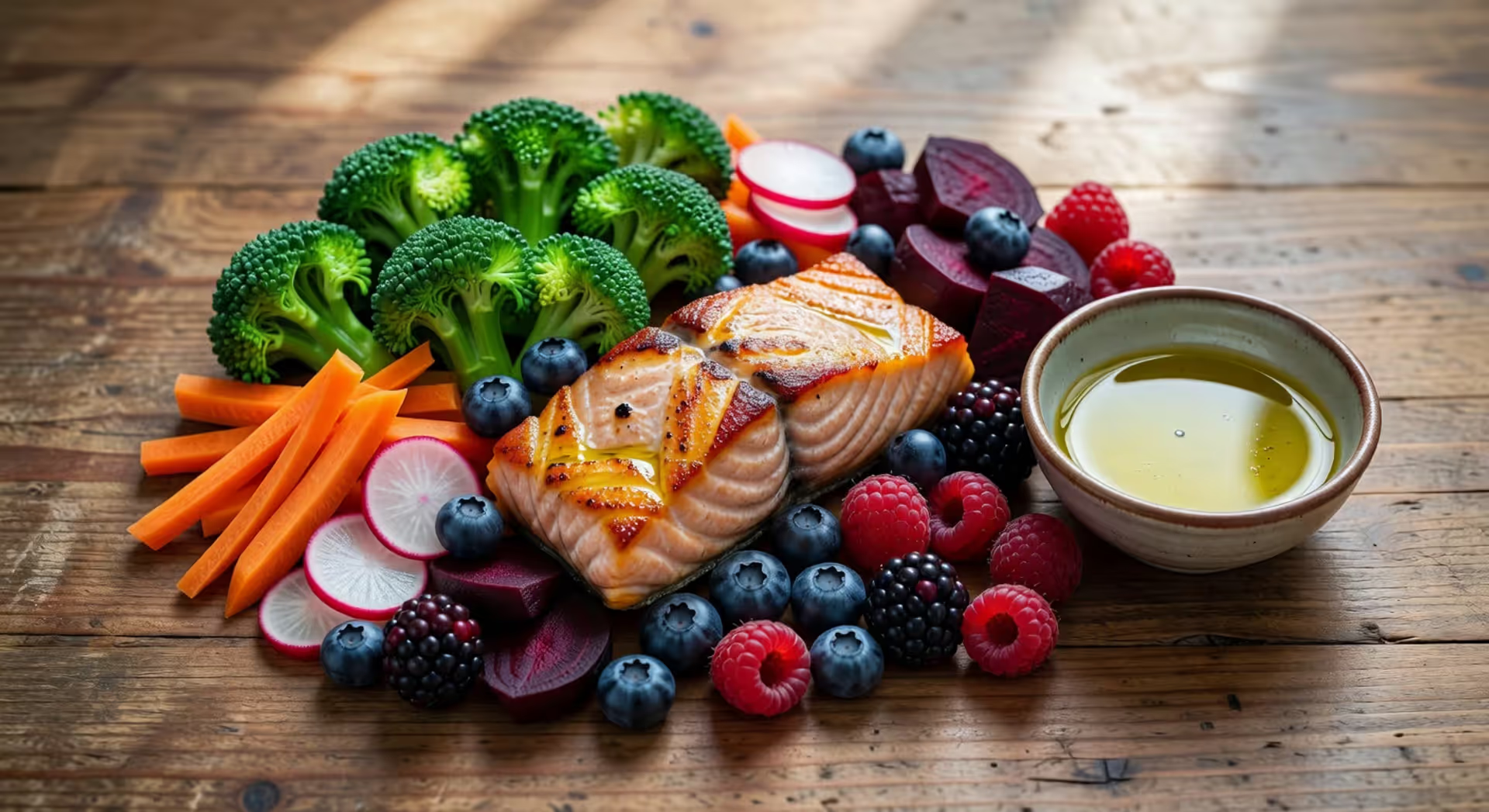
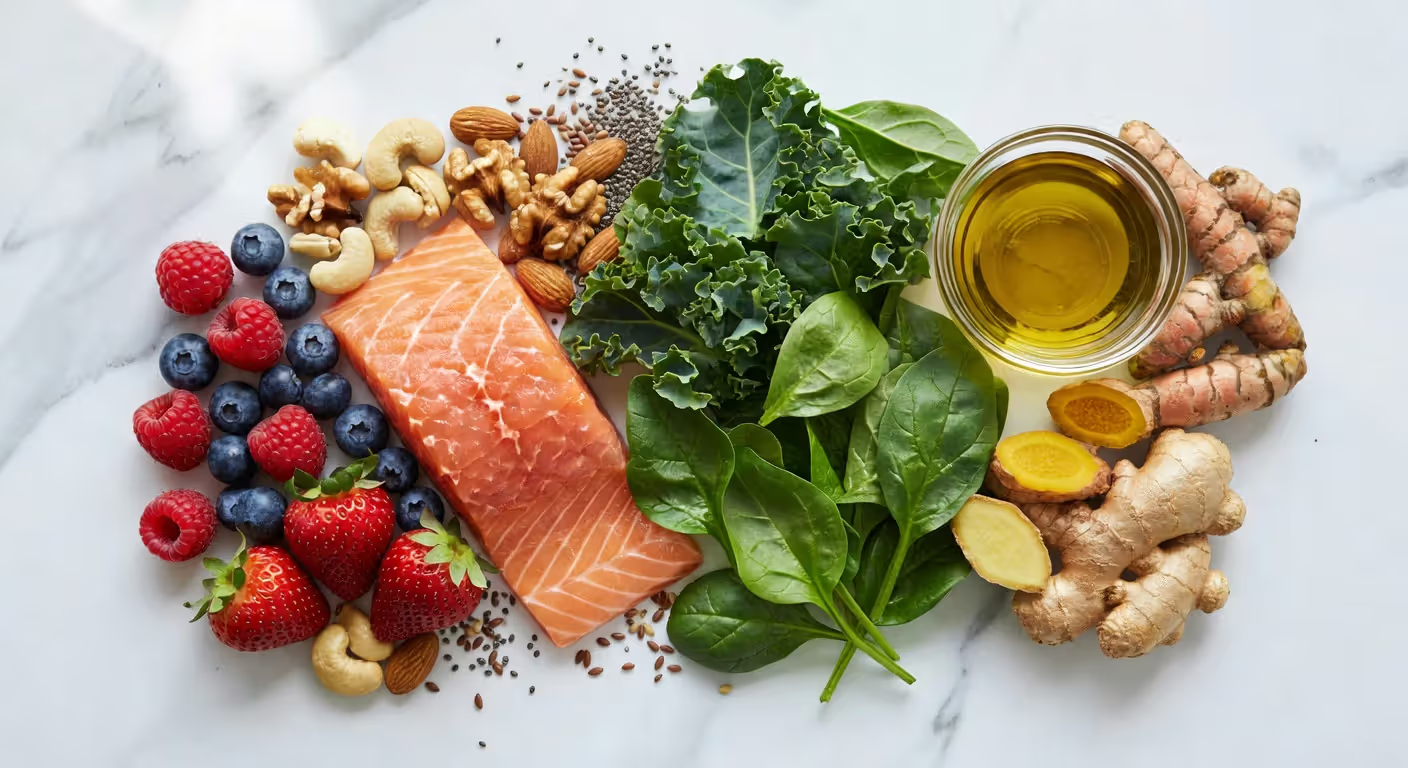
Leafy greens and cruciferous vegetables top the list. Spinach, kale, arugula, broccoli, cauliflower, Brussels sprouts—these deliver concentrated antioxidants and fiber while being extremely low in calories. They fill you up without filling you out. The sulforaphane in cruciferous veggies activates enzymes that help your body eliminate inflammatory compounds. Aim for at least two cups of these daily.
Berries give you the most anti-inflammatory bang for your calorie buck. Blueberries, strawberries, raspberries, blackberries—all packed with anthocyanins that fight oxidative stress and improve how your cells respond to insulin. A cup of mixed berries adds sweetness to breakfast without spiking blood sugar.
Fatty fish like salmon, mackerel, sardines, and anchovies provide omega-3 fatty acids (EPA and DHA) that directly counteract inflammatory pathways in your body. Try to get at least two servings per week. Can't stand fish? Algae-based omega-3 supplements work too.
Nuts and seeds—especially walnuts, flaxseeds, chia seeds, and hemp seeds—deliver omega-3s, fiber, and magnesium. An ounce of walnuts makes a satisfying snack that keeps blood sugar stable between meals. Just watch portions since they're calorie-dense.
Extra virgin olive oil contains oleocanthal, a compound that works similarly to ibuprofen in reducing inflammation. Use it as your primary cooking fat and salad dressing base. Two to three tablespoons daily fits easily within weight-loss goals.
Turmeric and ginger are superstar spices. Turmeric's curcumin inhibits multiple inflammatory molecules. Ginger reduces muscle soreness and may improve digestion. Toss both into smoothies, soups, stir-fries, or tea.
Green tea provides EGCG, an antioxidant that promotes fat burning while lowering inflammation. Three cups daily can produce measurable improvements in both inflammation markers and weight loss over a few weeks.
Legumes—lentils, chickpeas, black beans—offer plant-based protein and resistant starch that feeds beneficial gut bacteria. A thriving gut microbiome correlates strongly with lower systemic inflammation.
Foods to Avoid That Trigger Inflammation
Knowing what to skip matters just as much as knowing what to eat.
Refined sugars and high-fructose corn syrup spike insulin and promote fat storage while triggering inflammatory cytokines. This includes obvious sources like soda, candy, and pastries, but also sneaky additions in ketchup, salad dressings, and "healthy" granola bars.
Refined grains—white bread, white rice, regular pasta—act like sugar once you swallow them. They cause rapid blood sugar spikes and contribute to insulin resistance. Swap them for quinoa, brown rice, or steel-cut oats.
Trans fats and omega-6-heavy oils actively promote inflammation. Avoid anything with partially hydrogenated oils completely. Minimize vegetable oils high in omega-6 (corn oil, soybean oil, safflower oil) and favor olive oil, avocado oil, or coconut oil instead.
Processed meats—bacon, sausage, deli meats—contain preservatives and compounds called AGEs (advanced glycation end products) that ramp up inflammation. If you eat meat, choose fresh, unprocessed cuts.
Alcohol beyond moderation raises inflammation markers while adding empty calories. An occasional glass of red wine might be fine, but regular drinking sabotages your goals.
Artificial additives like MSG, artificial sweeteners, and certain food dyes can trigger inflammatory responses in sensitive people. Read labels and stick with foods that have minimal, recognizable ingredients.
How to Start an Anti Inflammatory Diet for Weight Loss
Starting doesn't require tossing everything in your kitchen and starting from scratch. Small, strategic changes build lasting momentum.
Week one: Audit and swap. Look at what you're currently eating. Identify your three most common inflammatory foods and replace them with better options. Maybe swap your morning sugary cereal for steel-cut oats with berries, trade white rice for quinoa, and choose sparkling water instead of soda.
Week two: Add before you subtract. Instead of obsessing over what you can't eat, focus on adding one anti-inflammatory food to each meal. Throw spinach in your morning eggs. Top your lunch salad with berries. Add roasted broccoli to dinner. As nutritious foods fill your plate, inflammatory ones naturally get crowded out.
Build your grocery foundation. Stock your pantry and fridge with staples: extra virgin olive oil, canned wild salmon, frozen organic berries, fresh leafy greens, raw nuts, seeds, turmeric, fresh ginger, garlic, onions, sweet potatoes, quinoa, and dried beans. When good ingredients are readily available, you'll actually use them.
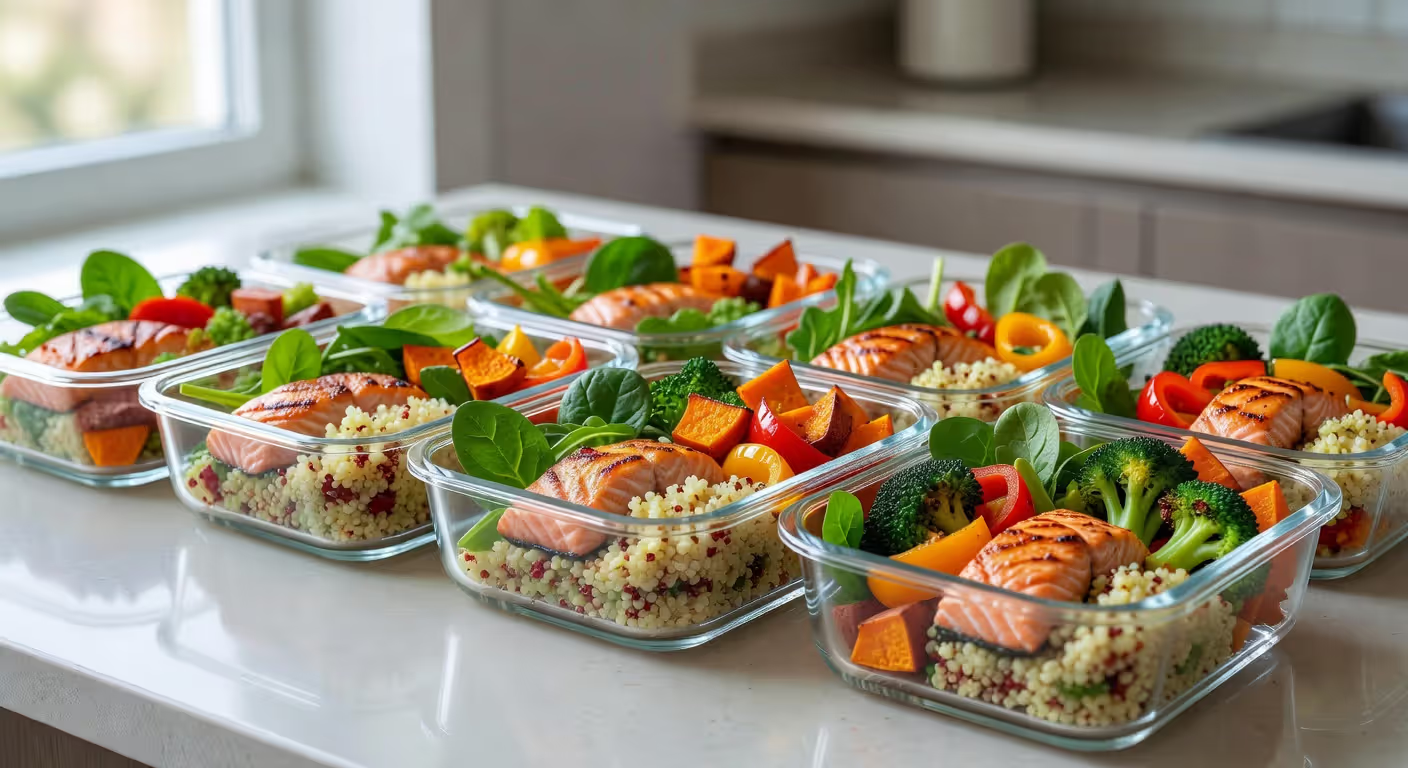
Try strategic meal prep. You don't need to prep every meal. Just prepare versatile components: cook a big batch of quinoa, roast several sheet pans of mixed vegetables, make a simple vinaigrette, and portion out nuts into single servings for quick snacks. Mix and match these throughout the week.
Build three balanced meals. Each should include protein, healthy fats, and plenty of vegetables. This combination keeps you full and prevents blood sugar swings. Snacks are optional—if you're truly hungry between meals, choose whole foods like apple slices with almond butter or veggie sticks with hummus.
Track how you feel, not just the scale. Weight loss on an anti-inflammatory approach tends to be steady rather than dramatic—usually one to two pounds weekly. But you'll probably notice less bloating, better energy, and improved digestion within the first two weeks. Those non-scale victories matter.
Sample Anti Inflammatory Meal Plan
Here's what three days of eating might look like in real life.
Day 1
Breakfast: Steel-cut oats cooked with almond milk, topped with blueberries, chopped walnuts, and cinnamon. Green tea.
Lunch: Big salad with mixed greens, grilled chicken, cherry tomatoes, cucumber, avocado, chickpeas, dressed with olive oil and lemon juice. Sparkling water with lemon.
Dinner: Baked salmon with turmeric and garlic, roasted Brussels sprouts and sweet potato, side of quinoa. Chamomile tea.
Snack (if needed): Apple slices with almond butter.
Day 2
Breakfast: Smoothie with spinach, frozen strawberries, half a banana, chia seeds, fresh ginger, and coconut milk.
Lunch: Homemade lentil soup with kale, carrots, celery, and tomatoes. Slice of whole-grain sourdough with olive oil.
Dinner: Stir-fried tofu with broccoli, bell peppers, snap peas, and garlic in avocado oil, served over brown rice. Green tea.
Snack: Handful of mixed nuts with raspberries.
Day 3
Breakfast: Scrambled eggs with sautéed spinach and mushrooms, fresh tomato slices on the side. Coffee or herbal tea.
Lunch: Quinoa bowl with roasted vegetables (zucchini, eggplant, red onion), white beans, arugula, drizzled with tahini-lemon dressing.
Dinner: Grilled mackerel with roasted cauliflower and mixed green salad with olive oil and balsamic vinegar.
Snack: Carrot and celery sticks with hummus.
Notice the variety. You're not eating the same thing every day, and there's room for personal preferences. Simpler is usually better—you don't need complicated recipes for this to work.
Common Mistakes That Prevent Weight Loss Results
Even with good intentions, certain missteps can stall your progress.
Mistake one: Overdoing calorie-dense healthy foods. Nuts, avocados, and olive oil fight inflammation beautifully, but they pack serious calories. A quarter cup of almonds has about 200 calories. Mindlessly snacking on nuts all day can easily push you over your calorie needs. Portion awareness still matters.
Mistake two: Missing hidden inflammatory ingredients. That "healthy" bottled salad dressing might contain soybean oil and added sugar. Your gluten-free crackers could be loaded with refined starches and inflammatory seed oils. Read ingredient labels carefully. "Healthy" marketing claims don't guarantee the product supports your goals.
Mistake three: Not giving it enough time. You might drop water weight quickly in week one, but real fat loss happens more slowly. Healing inflammation takes time. Give your body at least four to six weeks before judging whether this approach is working. Track measurements, energy levels, and how your clothes fit—not just scale numbers.
Mistake four: Weekend warrior syndrome. Eating anti-inflammatory Monday through Friday, then bingeing on pizza, beer, and desserts all weekend won't get you results. You don't need perfection, but you do need consistency most of the time. Aim for 80-90% adherence.
Mistake five: Ignoring sleep and stress. Poor sleep and chronic stress both fuel inflammation and weight gain. No amount of salmon and broccoli can compensate for five-hour nights and constant stress. Prioritize seven to eight hours of quality sleep and find stress-reduction practices that work for you.
Mistake six: Expecting spot reduction. No diet can target belly fat specifically. An anti-inflammatory approach helps you lose overall body fat, and abdominal fat often decreases as systemic inflammation drops. But your genetics determine which areas release fat first. Patience is key.
Anti-Inflammatory Foods
Inflammatory Foods
Leafy greens (spinach, kale) – Rich in antioxidants, support cellular cleanup
Dark chocolate (70%+ cacao) – Flavonoids fight oxidative damage
Conventional dairy (for some) – May trigger inflammation in certain people
Inflammation is the root cause of almost every chronic disease, including obesity. When we address the underlying causes of inflammation through food and lifestyle changes, weight loss often happens as a natural side effect of the body returning to balance.
FAQ: Anti Inflammatory Diet Weight Loss Questions Answered
How quickly can you lose weight on an anti inflammatory diet?
Most people lose one to two pounds per week once their body adjusts, which typically takes two to three weeks. The first week often shows a bigger drop due to reduced water retention as inflammation decreases. Real fat loss happens gradually. If you're consistently losing more than two pounds weekly, you may be restricting calories too aggressively, which can backfire by slowing your metabolism.
Is an anti inflammatory detox diet necessary for weight loss?
Nope. Your liver and kidneys handle detoxification automatically. The "detox" label is mostly marketing speak. You don't need special cleanses, juice fasts, or expensive supplement protocols. Simply removing inflammatory foods while adding anti-inflammatory ones supports your body's natural detoxification systems. Extreme detox programs often cause muscle loss and rebound weight gain. Stick with whole foods and give it time.
Can you eat carbs on an anti inflammatory diet?
Absolutely. The right carbs are an important part of balanced anti-inflammatory eating. Focus on complex carbohydrates like quinoa, brown rice, sweet potatoes, steel-cut oats, and beans. These provide fiber, vitamins, and steady energy without spiking blood sugar. Avoid refined carbs like white bread, sugary cereals, and pastries. Carbs themselves aren't the problem—processed, nutrient-stripped versions are.
Do I need supplements on an anti inflammatory diet?
Most people get what they need from food. But a few supplements can fill specific gaps. Omega-3s (fish or algae-based) if you don't eat fatty fish regularly. People living in areas with limited sunshine or spending most of their time indoors might benefit from vitamin D supplementation. Turmeric or curcumin supplements if you want higher doses than cooking provides. Probiotics after antibiotics or if you have digestive issues. Talk with your doctor before starting any new supplements.
How is this different from keto or paleo?
Keto drastically limits carbs to put you in ketosis. Anti-inflammatory eating includes healthy carbs without trying to achieve ketosis. Paleo cuts out all grains and beans completely. Anti-inflammatory approaches include whole grains and legumes because they provide fiber and feed beneficial gut bacteria, which actually reduces inflammation. Both keto and paleo can reduce inflammation when done well, but they're more restrictive and harder to maintain long-term for most people.
Can anti inflammatory eating reduce belly fat specifically?
It helps significantly, but spot reduction isn't possible. Chronic inflammation is strongly linked to visceral fat—the deep belly fat surrounding your organs. As inflammation decreases, visceral fat typically decreases too. You'll likely notice your waistline shrinking as overall body fat drops. Genetics determine where you lose fat first, but reducing inflammation gives you the best shot at losing the stubborn belly fat that poses the greatest health risks.
An anti-inflammatory diet isn't a quick fix or passing fad. It's a sustainable way of eating that addresses root causes of both inflammation and excess weight. You'll eat real food, feel satisfied, and give your body what it needs to heal while naturally releasing excess pounds. Start with small changes, stay consistent, and watch how your body responds. The results will follow.