You've probably noticed how people scramble for immune supplements the moment they feel a sniffle coming on. But here's what nobody tells you: by that point, you're already behind. Real immune health isn't built in a panic—it's maintained through boring, unglamorous daily habits that most people ignore completely. And here's the kicker: the stuff that actually works costs less and matters more than the expensive powders lining supplement store shelves. Once you understand which specific actions move the needle on immunity (and which are pure marketing hype), you'll realize you've been overthinking this entire thing.
What Is Immune Health and Why It Matters
Think of immune health as your body's ability to spot trouble and shut it down before you even notice. We're talking about bacteria trying to colonize your throat, viruses attempting to hijack your cells, fungi looking for warm places to grow, and your own damaged cells that need clearing out. This defense network includes specialized white blood cells hunting for invaders, lymph nodes filtering out garbage, plus your skin and mucous membranes blocking entry points. When everything's calibrated correctly, you fight off most infections before they become actual illnesses.
But immunity isn't binary. You don't want an "overactive" immune system—that's how you end up with allergies attacking harmless pollen or autoimmune diseases where your body attacks itself. The sweet spot? A balanced system that can tell the difference between a genuine bacterial threat and the neighbor's cat dander, then respond with appropriate force.
What weakens this system? Chronic stress floods your body with cortisol that literally tells immune cells to stand down. Skimping on sleep—we're talking under seven hours regularly—cuts your antibody production significantly. Missing key nutrients leaves gaps in your cellular defenses. Getting older naturally slows everything down (which explains why your grandparents catch more infections). Smoking tears up the protective barriers in your lungs. Heavy drinking damages gut immunity. Even sitting for ten hours daily reduces the circulation that immune cells depend on for patrol routes.
Here's the pattern I see constantly: people drop $80 on supplements while sleeping five hours a night and living on takeout. Your immune system needs a solid foundation first. Everything else is window dressing.
Science-Backed Ways to Strengthen Your Immune System
Forget overnight transformations. Real immunity improves gradually through practices you can actually maintain past January.
Diet and Nutrition for Immune Function
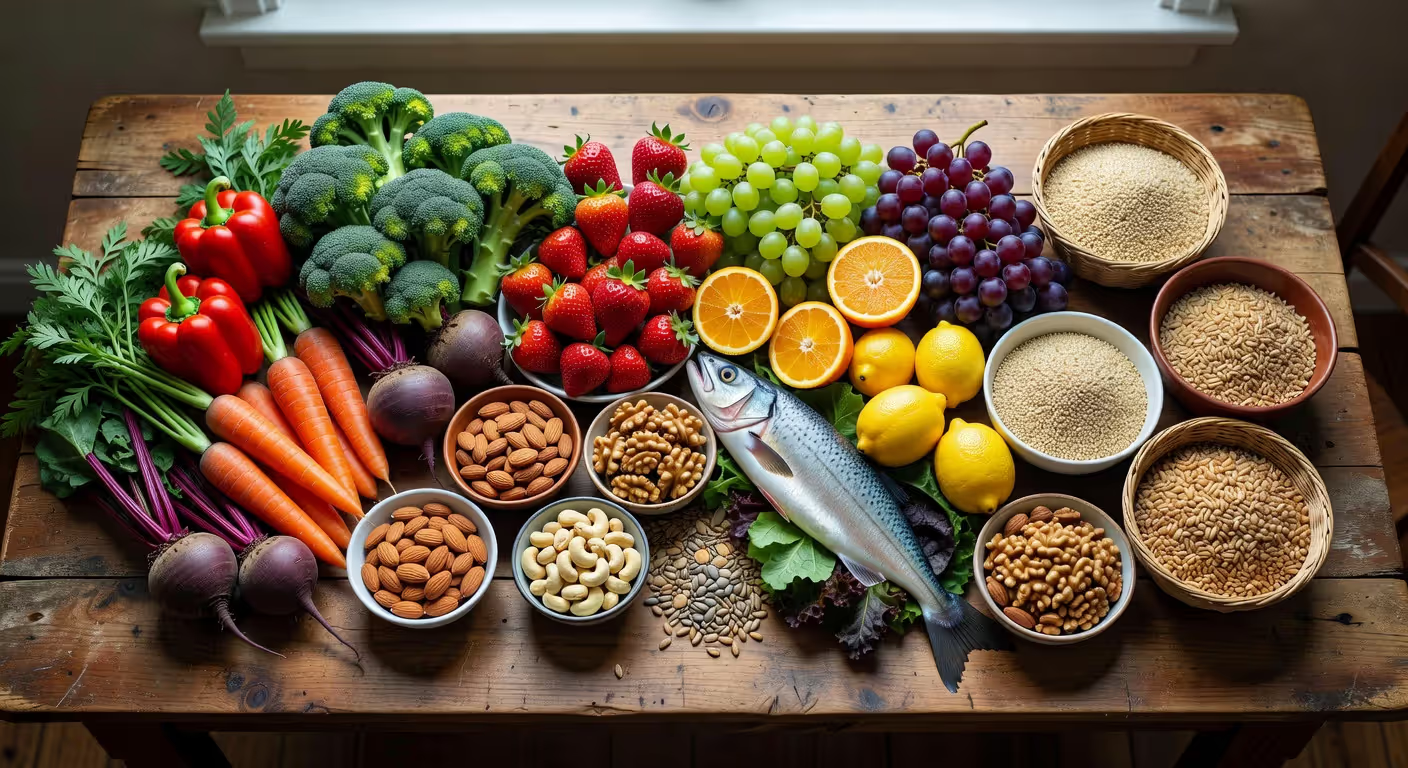
Your immune cells need raw materials. Protein builds the antibodies that tag invaders for destruction. Healthy fats construct cell membranes. Micronutrients power the thousands of enzymatic reactions happening every second. Eating a variety of vegetables and fruits provides antioxidants that protect immune cells from burning out.
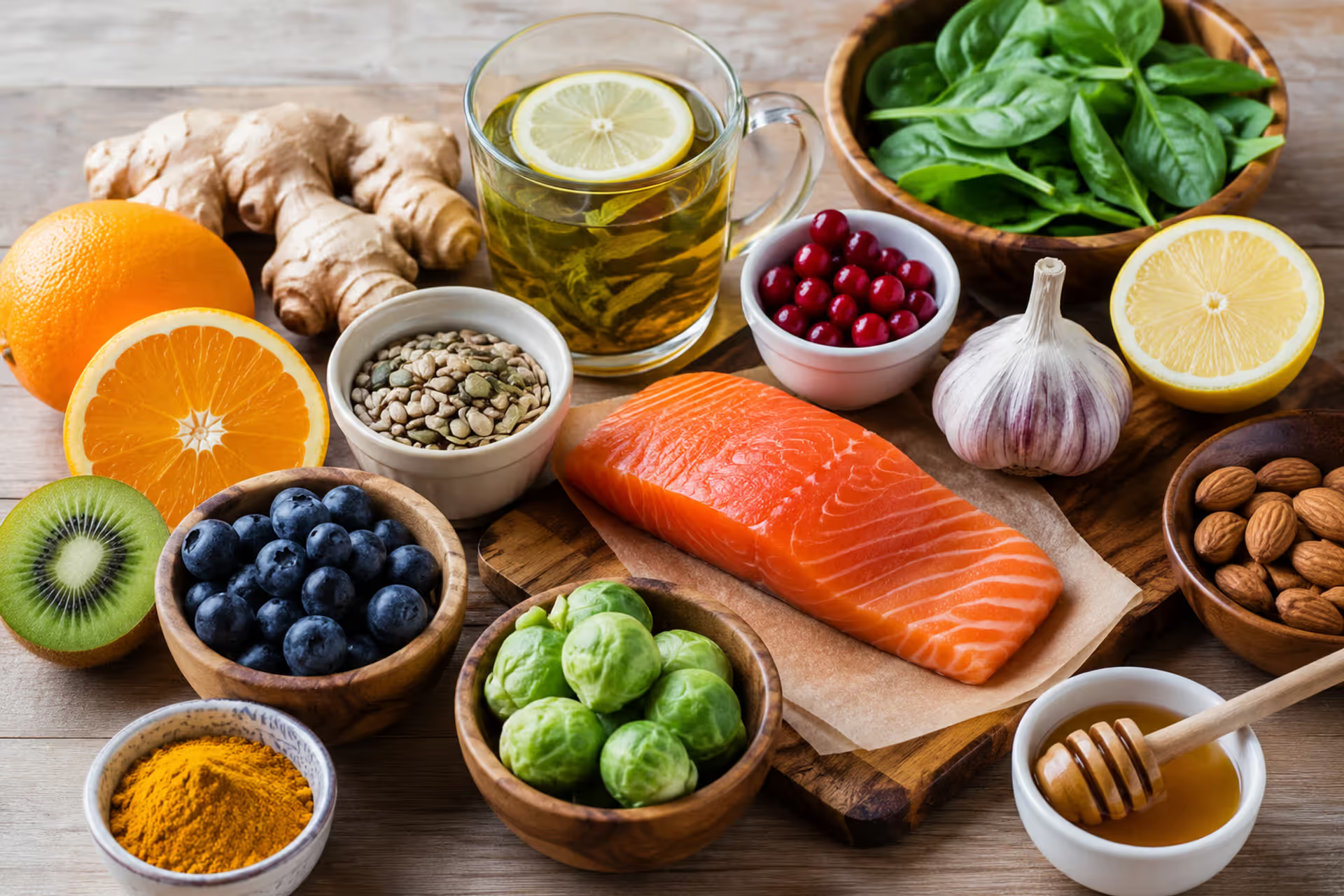
Some foods punch above their weight. Citrus fruits, bell peppers, and strawberries deliver vitamin C. Salmon and mackerel pack vitamin D plus omega-3s. Yogurt and sauerkraut contain probiotics that support gut immunity—and get this, roughly 70% of your immune function lives in your digestive tract. Raw garlic contains sulfur compounds that kill microbes directly. Ginger offers anti-inflammatory compounds that prevent your immune system from overreacting.
But obsessing over individual "superfoods" misses the forest for the trees. A 2025 study found that people eating seven-plus servings of fruits and vegetables daily had 33% fewer respiratory infections compared to those managing only two servings. It's the overall pattern that matters—lots of whole foods, minimal processed junk loaded with sugar and refined grains.
Sleep, Stress, and Exercise Impact
Cut your sleep to four hours for just one week and you'll slash your flu vaccine effectiveness in half. That's not theory—that's documented research. During deep sleep, your body manufactures cytokines, specialized proteins that fight infection and control inflammation. Adults need seven to nine hours consistently, not five hours Monday through Friday then crashing for twelve hours on Saturday.
Chronic stress does similar damage. When cortisol stays elevated, it suppresses lymphocyte production and dulls your inflammatory response to actual threats. A 2024 meta-analysis showed that highly stressed people developed colds 2.8 times more often when exposed to viruses compared to their chill counterparts.
Regular movement helps too. Moderate exercise—think 30 minutes of brisk walking five days weekly—cuts upper respiratory infection risk by about 40%. The temporary spike in body temperature and increased circulation helps immune cells patrol more effectively. But there's a ceiling here. Train too hard without proper recovery and you'll temporarily weaken immunity. Marathon runners experience a two-week window of increased infection risk after races.
Don't forget hydration. Water supports lymph production—that's the fluid carrying white blood cells around your body. When you're dehydrated, your mucus membranes get thick and crusty, making them worse barriers against pathogens trying to enter through your nose and throat.
The relationship between lifestyle habits and immune function is dose-dependent. You don't need perfection—even modest improvements in sleep quality, stress management, and physical activity produce measurable changes in immune markers within four to six weeks. Consistency beats intensity every time.
Natural Supplements That Support Immune Function
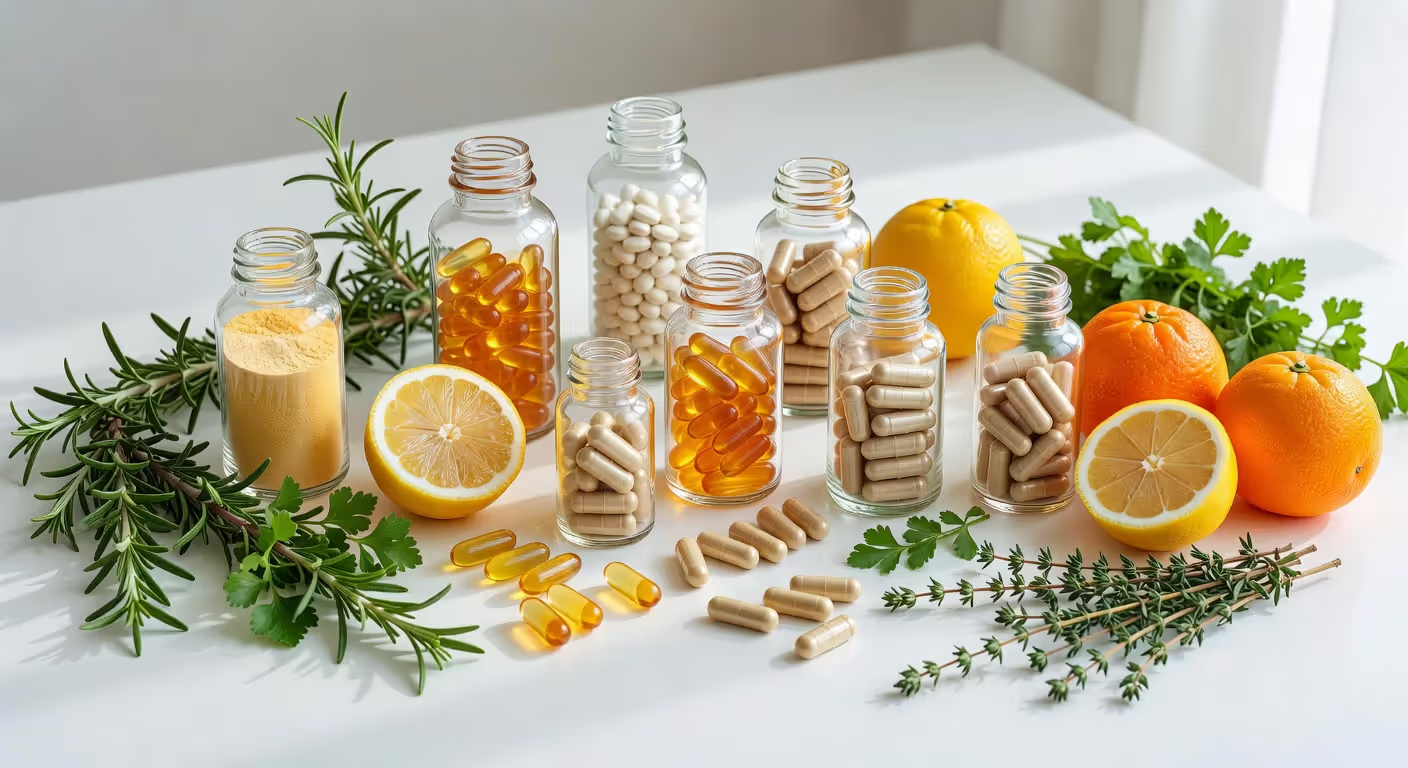
Let me be clear: supplements can't fix a broken lifestyle. But they can fill legitimate gaps when diet and habits aren't enough.
Vitamin C has decades of research behind it. This vitamin supports countless cellular functions in both your innate and adaptive immune responses. While taking it daily won't prevent colds in most people, consistent supplementation (1,000–2,000 mg) can shorten cold duration by roughly 8% in adults and 14% in kids. Taking more doesn't help and usually just gives you diarrhea.
Vitamin D acts more like a hormone than a vitamin, influencing over 200 genes including many involved in immune function. When your blood levels drop below 20 ng/mL, you become noticeably more susceptible to respiratory infections. A 2025 review found that vitamin D supplementation reduced acute respiratory infection risk by 12% overall, with bigger effects in people who were deficient to start. Most adults do fine with 2,000–4,000 IU daily, though your needs vary based on sun exposure and starting levels.
Zinc enables immune cell development and communication. When you're zinc-deficient, multiple immune functions across both innate and adaptive systems get impaired. Taking zinc within 24 hours of cold symptoms appearing can cut illness duration by about one day. For daily maintenance, 8–11 mg works; therapeutic doses for active infections run 40–80 mg for short periods. Don't exceed these amounts—too much zinc actually weakens immunity and messes with copper absorption.
Elderberry extract shows antiviral properties, especially against influenza. A 2024 study demonstrated that elderberry supplementation shortened flu duration by an average of four days versus placebo. Standard dosing involves 300–600 mg of extract twice daily when symptoms first show up.
Probiotics maintain gut health, which directly impacts your entire immune system. Specific strains like Lactobacillus and Bifidobacterium reduce respiratory infection frequency and severity. Results depend heavily on the particular strain, so choose products with at least 10 billion CFUs and multiple bacterial strains.
Supplement
Key Benefits
Recommended Daily Dose
Best For
Vitamin C
Supports white blood cell function, reduces cold duration
Supports gut immunity, reduces infection frequency
10+ billion CFUs, multi-strain
Digestive and immune health, post-antibiotic recovery
Immune System Booster Vitamins: What Actually Works
"Immune booster" shows up in every supplement ad. But not all vitamins affect immunity equally, and more isn't always better—sometimes it's actively worse.
Vitamin A maintains the integrity of your skin and mucous membranes—those first-line defensive barriers. It also regulates immune cell production and activity. Being deficient increases infection susceptibility, but taking too much (over 10,000 IU daily) becomes toxic. Most people get enough from food—sweet potatoes, carrots, and dark leafy greens contain abundant vitamin A. If you're supplementing, stay between 3,000–5,000 IU daily.
Vitamin E acts as an antioxidant, protecting immune cells from oxidative damage. This becomes particularly important for older adults whose immune function naturally declines. Research shows 200 IU daily can enhance immune response in seniors. Food sources include nuts, seeds, and vegetable oils.
B vitamins, especially B6, B9 (folate), and B12, enable immune cell production and function. Deficiencies weaken antibody response and decrease white blood cell counts. Poultry, fish, and chickpeas provide B6. Leafy greens and legumes supply folate. B12 appears primarily in animal products, making supplementation often necessary for vegetarians and vegans.
Here's what they don't advertise: megadosing these vitamins doesn't create superhuman immunity. Your body uses what it needs, then either excretes or stores the rest. Too much vitamin A and E can actually impair immune responses. Water-soluble vitamins like C and B-complex are safer but still have practical limits.
Bioavailability matters significantly. Some supplement forms absorb better than others. Methylcobalamin (B12) enters your system more readily than cyanocobalamin. Zinc citrate and zinc gluconate absorb better than zinc oxide. Vitamin D3 (cholecalciferol) outperforms D2 (ergocalciferol).
The straightforward approach wins: get vitamins from whole foods when possible, supplement strategically for confirmed deficiencies or elevated needs.
Building a Daily Immune Support Routine
Consistency beats perfection every single time. A routine you'll actually maintain defeats sporadic heroic efforts.
Morning habits set your trajectory. Start with a glass of water to rehydrate after overnight fasting. Take vitamin D with breakfast containing some fat for better absorption. Get outside for 10 minutes of morning sunlight—it helps regulate circadian rhythms, which influence immune function.
Meal timing affects nutrient absorption and energy availability. Include protein at each meal to supply immune cell building materials. Work in probiotic foods like yogurt or fermented vegetables at least once daily. Space meals four to five hours apart for proper digestion and nutrient utilization.
Supplement schedule varies by specific nutrients. Take vitamin C with meals to minimize stomach irritation. Zinc absorbs best with food but away from calcium and iron, which compete for absorption. Probiotics work best on an empty stomach, typically first thing morning or before bed. Don't dump all supplements in at once—spread them throughout the day for better absorption.
Evening routine should prioritize sleep preparation. Dim lights two hours before bed to encourage melatonin production. Minimize screen time or use blue-light filters. Keep your bedroom around 65–68°F, which research shows optimizes immune function during sleep. If you're taking magnesium (a common deficiency), evening works best since it promotes relaxation.
Consistency strategies: Set phone reminders for supplement timing. Prep immune-supporting foods ahead—wash and chop vegetables, portion nuts, make overnight oats. Track your sleep patterns using a basic journal or app. Resist changing everything at once. Add one new habit every couple weeks instead of overhauling your entire life on Monday.
Timing matters depending on your situation. Year-round maintenance differs from acute intervention. For daily prevention, moderate doses of vitamin D, C, and a probiotic make sense. During cold and flu season or high-stress periods, consider adding zinc and elderberry. When symptoms first appear, temporarily increase vitamin C and zinc.
Common Immune Boost Mistakes to Avoid
Good intentions don't guarantee good results. These mistakes sabotage immune health despite seeming helpful.
Megadosing vitamins wastes money at minimum, causes harm at maximum. Taking 5,000 mg of vitamin C daily doesn't quintuple your health compared to 1,000 mg. Your body processes limited amounts at once—the rest gets excreted. Excessive vitamin C causes diarrhea. Too much zinc blocks copper absorption and paradoxically weakens immunity. Fat-soluble vitamins (A, D, E, K) accumulate in tissues and can reach dangerous levels.
Ignoring underlying health issues while focusing on supplements reverses proper priorities. Unmanaged diabetes, untreated sleep apnea, persistent infections, and autoimmune conditions all severely compromise immunity. Supplements can't overcome these fundamental problems. If you're getting sick frequently despite healthy habits, see a doctor. There might be something else going on that needs medical attention.
Relying exclusively on supplements while neglecting lifestyle fundamentals never works. You can't supplement your way out of a terrible diet, chronic sleep deprivation, or unmanaged stress. Think of supplements as the top 10–20% of your immune strategy, never the foundation. Sleep, nutrition, stress management, and movement always form the base.
Neglecting sleep basics is the most common mistake I see. People spend $100 monthly on supplements but won't prioritize seven hours of sleep. One study compared two groups: one took immune supplements but slept six hours nightly; the other took no supplements but slept eight hours. The well-rested group had 50% fewer infections. Sleep is non-negotiable.
Taking antibiotics unnecessarily disrupts your microbiome, which significantly influences immune function. Antibiotics don't work on viruses—most colds, flu cases, and many sinus infections are viral. Overuse breeds resistant bacteria and compromises gut immunity. Only use antibiotics when genuinely necessary and prescribed by a physician.
Exercising excessively without recovery suppresses immunity. If you're training hard six days weekly and getting sick frequently, you're likely overtraining. Your immune system needs recovery periods just like your muscles do.
FAQ: Immune Health Questions Answered
Can you really boost your immune system quickly?
Not in any meaningful way. Despite what supplement ads claim, you can't significantly strengthen immunity within 24 hours or even one week. Immune cells need time to develop and mature. What you can do quickly is support your existing immune capacity—stay hydrated, get extra sleep, minimize stress, and take evidence-based supplements when illness begins. These actions help your immune system work more efficiently, but they don't fundamentally transform its capacity overnight. Real immune improvements develop over four to six weeks of sustained healthy practices.
What's the difference between immune support and immune boost?
Immune support means maintaining optimal immune function through daily practices—proper nutrition, adequate sleep, stress management, and strategic supplementation. It's preventive and ongoing. Immune boost typically refers to taking specific actions or increased supplement doses when fighting an active infection or facing heightened exposure risk. Support is your baseline; boost is your temporary intervention. Both have value, but support matters more for long-term health.
Are immune booster supplements safe for daily use?
Most are safe at recommended amounts, though this depends on the specific supplement and your individual health situation. Vitamin D, vitamin C, probiotics, and moderate zinc generally work fine for daily consumption. However, elevated zinc doses (over 40 mg) shouldn't continue long-term. Elderberry typically serves during active infections rather than year-round. Always check potential interactions with any medications you're taking. If you have autoimmune conditions, certain immune supplements might overstimulate your already hyperactive immune system—talk with your doctor first.
What's the timeline for strengthening immunity through lifestyle changes?
You'll notice initial changes within four to six weeks of sustained healthy practices. Research measuring immune markers shows improvements in white blood cell counts, antibody response, and inflammation levels within this window. However, more substantial changes—like reducing your infection frequency—may take three to six months to become apparent. Age influences timing too. Younger people typically see faster improvements than older adults, whose immune systems naturally decline with advancing age.
Do natural supplements work as well as medications?
This depends entirely on what you're comparing. Natural supplements can't replace antibiotics for bacterial infections or antivirals for serious viral illnesses. However, for prevention and mild symptom management, certain supplements show comparable or even superior outcomes. Elderberry has demonstrated effectiveness matching some over-the-counter flu medications. Vitamin D supplementation reduces respiratory infection risk as effectively as certain preventive medications. The key difference: medications work faster and more powerfully for acute treatment, while supplements excel at prevention and ongoing support.
Should I take immune support year-round or only during cold season?
A baseline regimen year-round makes sense—vitamin D (especially if you're deficient), a quality probiotic, and a balanced diet. Then layer in targeted support during cold and flu season or high-stress periods. This approach is more cost-effective and prevents supplement fatigue. Year-round megadosing isn't necessary and may even reduce your system's responsiveness to certain supplements. Think of it like athletic training: maintain solid baseline fitness, then intensify when you need peak performance.
Your immune system responds directly to how you treat it. Small, consistent actions—prioritizing adequate sleep, eating whole foods, managing stress effectively, moving regularly, and supplementing strategically—accumulate over time into meaningful protection. You don't need perfection or expensive protocols. You need sustainable practices that support your body's natural defenses. Start with one or two changes this week, build from there, and give your immune system the foundation it needs to function effectively.