What Vitamins Are Good for Depression and Anxiety?
What you eat shapes how you feel—not in some vague wellness-blogger way, but through measurable biochemical pathways. Your brain manufactures mood-regulating chemicals like serotonin and dopamine from raw materials you consume at meals. Without adequate supplies of specific vitamins and minerals, these production lines slow down or stall entirely. Depression deepens. Anxiety spikes without clear triggers.
Nutritional psychiatry research has mapped out exactly which nutrients participate in building neurotransmitters. We're not talking about eating kale to "support wellness." We're talking about B6 molecules that physically enable the conversion of tryptophan into serotonin. About vitamin D receptors in brain regions controlling emotional responses. About magnesium ions that determine whether your nervous system stays calm or spirals into panic mode. You can't think your way out of a nutritional deficit, but you can eat your way toward better mental stability.
How Nutrition Affects Mental Health
Here's something that surprises most people: your brain uses about 20% of your body's total energy despite weighing only three pounds. That's an enormous metabolic demand requiring constant fuel delivery.
Building neurotransmitters isn't automatic. Each step in the synthesis pathway needs specific vitamin or mineral cofactors to proceed. Take serotonin production—it requires vitamin D to activate the enzyme tryptophan hydroxylase, B6 to complete the conversion, and magnesium to regulate receptor sensitivity. Miss any of these cofactors, and production slows. Your mood suffers as a direct chemical consequence, not because you're weak or failing at self-care.
Inflammation plays a bigger role in depression than most doctors acknowledged until recently. Poor nutrition—especially diets heavy in processed foods, added sugars, and oxidized vegetable oils—creates systemic inflammation that crosses the blood-brain barrier. Once inflammation reaches brain tissue, it interferes with neurotransmitter signaling. Your brain interprets this inflammatory state as a threat, triggering the same neural circuits that produce anxiety and low mood during actual danger.
The gut-brain axis adds another layer of complexity. About 90% of your body's serotonin gets manufactured in your intestinal tract, not your brain. The trillions of bacteria living in your digestive system communicate directly with your central nervous system through the vagus nerve. When your gut microbiome falls out of balance—often due to inadequate fiber, excessive sugar, or antibiotic exposure—those bacterial signals change. Mental health symptoms follow.
Oxidative stress gradually damages neurons throughout your life. Vitamins with antioxidant properties (C, E, and various phytonutrients) protect brain cells from this free radical damage. Without sufficient antioxidant intake, cellular destruction accumulates and contributes to mood disorders over time.
We've seen remarkable improvements in depression and anxiety symptoms when patients address underlying nutritional deficiencies. It's not about vitamins replacing medication—it's about giving the brain the raw materials it needs to produce mood-regulating neurotransmitters effectively.
Essential Vitamins That Support Mood and Reduce Anxiety
Some vitamins exert dramatically stronger effects on mental health than others. These particular compounds have documented, measurable influence on brain chemistry and stress response systems.
Vitamin D and Serotonin Production
Vitamin D functions more like a hormone system than a traditional vitamin. It regulates tryptophan hydroxylase—the rate-limiting enzyme that converts tryptophan into serotonin.
Multiple large-scale studies show that low vitamin D levels strongly predict depression. One meta-analysis of 31,424 participants found that people with deficient levels had 14% higher odds of depression compared to those with adequate levels. This relationship holds across different countries, age groups, and ethnic backgrounds.
You get vitamin D three ways: sun exposure, food, and supplements. Your skin synthesizes it when UVB rays hit exposed areas, but most Americans don't get enough sun contact—especially from November through March above the 37th parallel. Food sources include fatty fish, egg yolks, and fortified dairy, though these rarely provide sufficient amounts.
Dosing varies by individual need. Many mental health practitioners recommend 2,000–4,000 IU daily for adults with mood symptoms, though testing your actual blood level first beats guessing. Aim for blood concentrations between 40–60 ng/mL.
B Vitamins for Nervous System Function
The B-vitamin family works as an interconnected team. Each member performs distinct jobs, yet they depend on each other to function properly.
B6 (pyridoxine) acts as a required cofactor for producing serotonin, dopamine, and GABA. Without adequate B6, your nervous system can't efficiently manufacture these neurotransmitters—no matter how much tryptophan or other precursors you consume.
Folate (B9) and B12 (cobalamin) work together in methylation reactions that affect neurotransmitter production and gene expression. Low levels of either vitamin cause homocysteine to accumulate, which researchers have linked to both depression and cognitive decline.
B12 deficiency happens more often than you'd think. It's common in adults over 50 (stomach acid production drops with age), people following plant-based diets (B12 only occurs naturally in animal products), and anyone taking metformin or proton pump inhibitors. Symptoms include fatigue, brain fog, and depression—often misdiagnosed as primary mental illness rather than a fixable nutritional problem.
Food-based folate (from leafy greens, legumes, citrus) works better than synthetic folic acid for certain people. About 40% of the population carries a genetic variant (MTHFR polymorphism) that impairs their ability to convert synthetic folic acid into its active form. These individuals respond better to methylfolate supplements.
Magnesium as Nature's Relaxant
Magnesium regulates your stress response system. It modulates the HPA axis (your body's cortisol control center) and binds to GABA receptors, producing calming effects similar to anti-anxiety medications but gentler.
Clinical trials show magnesium supplementation reduces anxiety symptoms in people with mild to moderate anxiety. Most participants notice effects within two weeks of starting.
Deficiency is surprisingly common—estimates suggest nearly half of Americans consume less than the recommended amount from food alone. Stress depletes magnesium stores, creating a vicious cycle: anxiety burns through magnesium, which makes you more vulnerable to anxiety.
Food sources include dark leafy greens, nuts, seeds, whole grains, and dark chocolate. Magnesium glycinate and magnesium threonate absorb better than other forms. Avoid magnesium oxide—it absorbs poorly and mostly just acts as a laxative.
Typical dosing for anxiety ranges from 200–400 mg daily, taken in the evening since it can cause drowsiness.
Research-Backed Supplements for Depression and Anxiety
Beyond foundational vitamins, several other compounds have accumulated solid clinical evidence for mood disorders. They're not miracle cures, but they're legitimate therapeutic tools.
Omega-3 fatty acids—specifically EPA and DHA—reduce neuroinflammation and maintain neuron membrane fluidity. Meta-analyses show that EPA-rich fish oil supplements (1,000–2,000 mg EPA daily) reduce depressive symptoms, especially in people with elevated inflammation markers. Effect sizes are moderate but clinically meaningful—roughly comparable to low-dose antidepressants in some studies.
S-adenosylmethionine (SAMe) is a molecule your body naturally produces that participates in neurotransmitter synthesis. Supplemental SAMe has shown efficacy for depression in multiple clinical trials, with some research suggesting comparable effectiveness to tricyclic antidepressants. Typical dosing ranges from 400–1,600 mg daily. It works faster than most antidepressants—often within two weeks.
St. John's Wort has centuries of traditional use for low mood. Modern research confirms its effectiveness for mild to moderate depression, with effect sizes similar to SSRIs. But here's the catch: it interacts with numerous medications, including birth control pills, blood thinners, and many prescription antidepressants. Don't combine this herb with pharmaceutical antidepressants without medical supervision.
Certain bacterial strains influence mental health through gut-brain pathways. Specific species—particularly Lactobacillus and Bifidobacterium strains—have shown promise for reducing anxiety and depressive symptoms. A 2023 meta-analysis found that multi-strain probiotic formulations decreased depression scores by roughly 30% compared to placebo.
This amino acid abundant in green tea promotes calm alertness without sedation. It increases GABA, serotonin, and dopamine while reducing excitatory neurotransmitters. Research shows 200 mg reduces anxiety symptoms within one hour, making it useful for acute stress situations.
The biggest mistake I see? People try individual supplements for just three or four days, then give up when they don't feel instantly better. Most of these compounds need 2–8 weeks before producing noticeable effects.
Foods That Provide Mood-Boosting Nutrients
Supplements have their place, but whole foods deliver nutrients in synergistic combinations that enhance absorption and effectiveness. The best diet for anxiety and depression prioritizes nutrient density over calorie restriction.
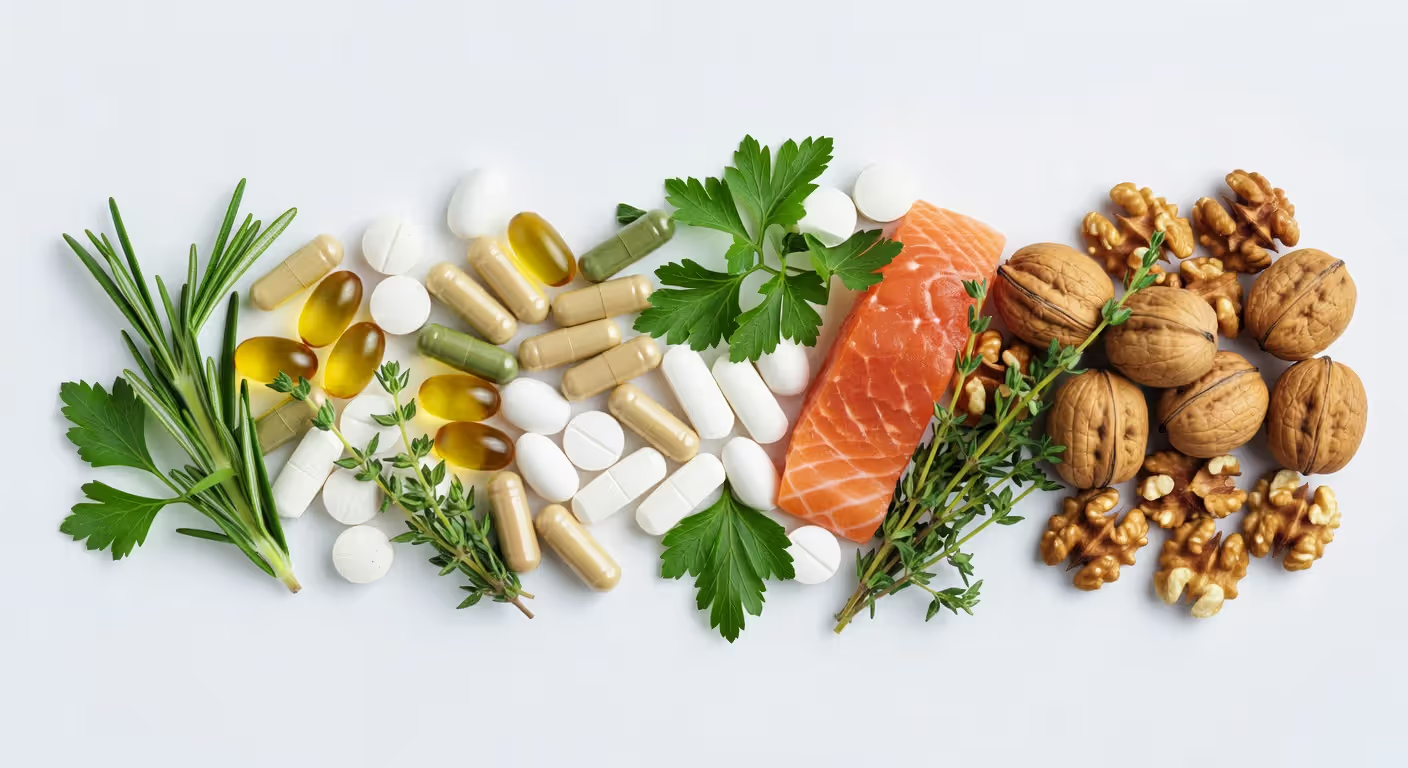
Fatty fish—salmon, mackerel, sardines, anchovies—pack omega-3s, vitamin D, and B vitamins into one food. Aim for three servings weekly. Wild-caught is ideal but not essential if budget is a concern.
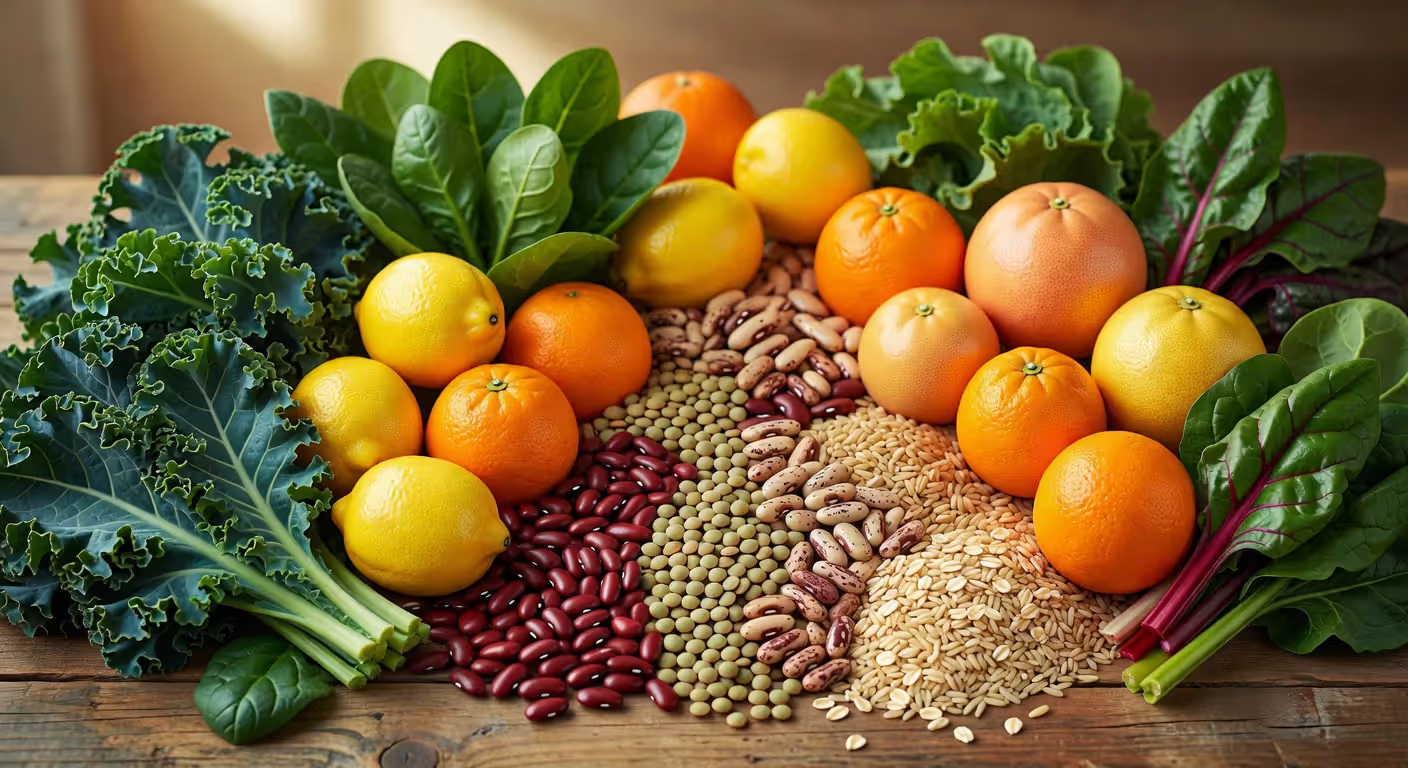
Dark leafy greens deliver folate, magnesium, and protective antioxidants. Spinach, kale, Swiss chard, and collard greens all qualify. One cup of cooked spinach provides nearly your entire daily folate requirement.
Fermented foods support gut health and beneficial bacterial populations. Yogurt, kefir, sauerkraut, kimchi, and kombucha introduce helpful microorganisms that influence mood through gut-brain signaling. Daily consumption works better than occasional intake.
Nuts and seeds provide magnesium, zinc, selenium, and healthy fats. Brazil nuts are particularly rich in selenium—a trace mineral linked to lower depression rates. Just two Brazil nuts daily meet your selenium needs.
Whole grains offer B vitamins and fiber that feeds beneficial gut bacteria. Oats, quinoa, brown rice, and whole wheat all support stable blood sugar, preventing mood swings.
Eggs deserve more credit for mental health. Yolks contain vitamin D, B12, choline, and omega-3s (especially from pasture-raised chickens). They're also one of the few foods naturally containing vitamin D.
Berries are loaded with antioxidants that protect brain cells from oxidative damage. Blueberries specifically have been shown to improve mood and cognitive function in intervention studies.
Common mistake: obsessing over trendy "superfoods" while ignoring overall diet quality. You can't drink kale smoothies for breakfast and eat fast food for dinner while expecting mood improvements.
Building a Diet Plan for Mental Health Support
Mediterranean-style eating patterns show the strongest research support for mental health. It's not a rigid diet—it's an approach.
Build meals around vegetables, fruits, whole grains, legumes, nuts, and olive oil. Include fish and poultry regularly. Eat red meat occasionally, not daily. Limit processed foods, added sugars, and refined grains.
Studies comparing Mediterranean diet adherence to typical Western eating show 25–35% lower depression rates among people following Mediterranean patterns. The SMILES trial—a landmark study in nutritional psychiatry—found that dietary intervention alone significantly reduced depression scores in just 12 weeks.
Implementation beats perfection. Start with one meal daily that follows these principles, then expand gradually.
Breakfast options: Greek yogurt topped with berries, walnuts, and honey. Or eggs cooked with vegetables in olive oil, served with whole grain toast.
Lunch ideas: Large salads with mixed greens, chickpeas, colorful vegetables, olive oil dressing, and grilled chicken or fish. Or vegetable and lentil soup with whole grain bread.
Dinner centers on a protein source (fish, poultry, beans), plenty of vegetables, and whole grains or starchy vegetables. Season with herbs and olive oil rather than heavy sauces.
Snacks should contribute nutrients, not just calories. Nuts, fruit, raw vegetables with hummus, or a small piece of dark chocolate all fit this pattern.
Foods to minimize or avoid: ultra-processed products, sugary drinks, refined carbohydrates, and excessive alcohol. These promote inflammation, destabilize blood sugar, and harm gut bacteria—all factors that worsen anxiety and depression.
Blood sugar stability deserves special attention. Sharp spikes and crashes in blood sugar trigger cortisol release and anxiety symptoms. Pairing protein with carbs, choosing complex carbs over simple sugars, and eating at regular intervals all help maintain stability.
Hydration affects mood more than most people realize. Even mild dehydration impairs cognitive function and increases anxiety. Aim for eight glasses of water daily, more if you're active or in hot weather.
When to Consider Supplementation vs. Food Sources
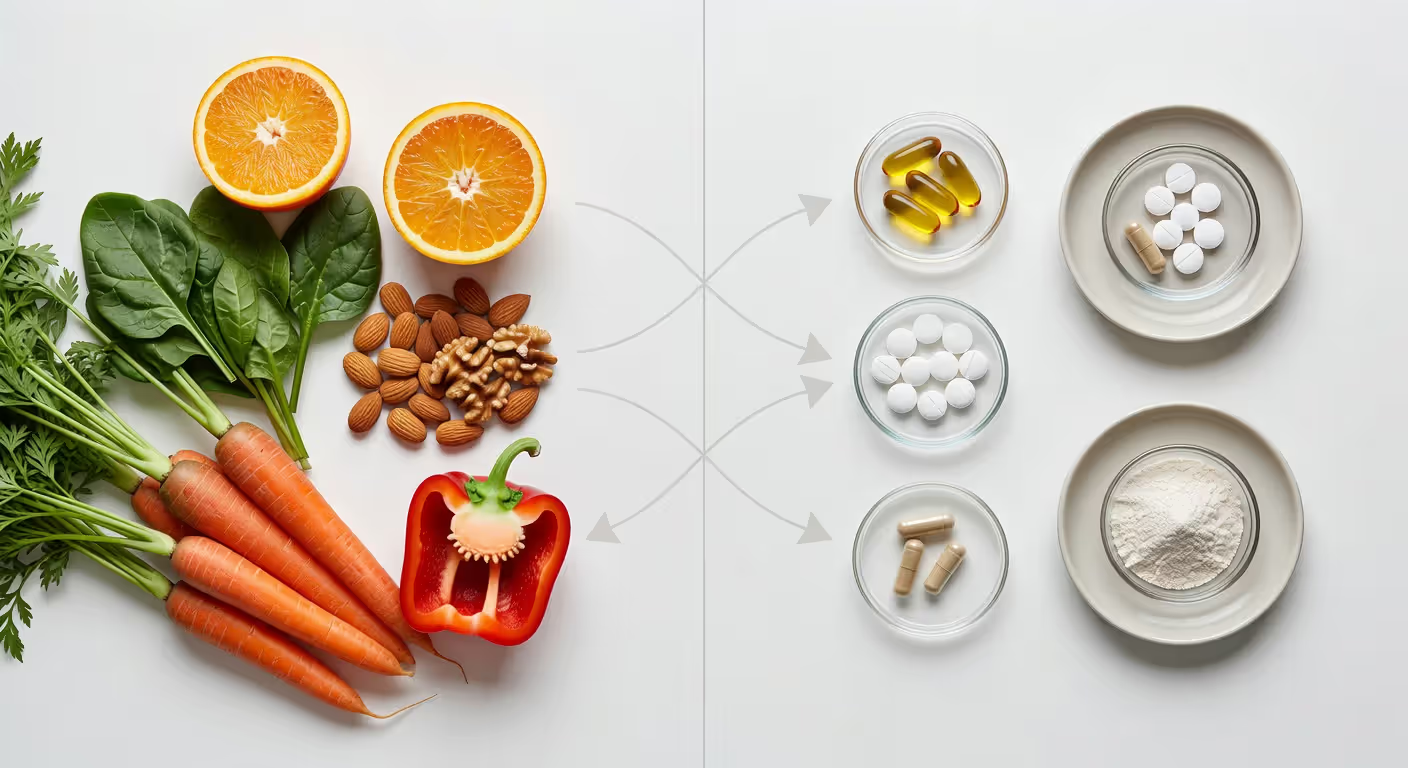
Food should be your first strategy. Whole foods provide nutrients in naturally balanced ratios with cofactors that enhance absorption and activity.
That said, supplements make sense in certain situations. You can't quickly correct severe deficiencies through diet alone—the timeline is too long. Supplements provide therapeutic doses that address deficiencies faster.
Testing before supplementing is smart. Ask your doctor for blood work measuring vitamin D, B12, folate, and ferritin (which reflects iron stores). Magnesium is harder to assess accurately since blood levels don't reflect cellular stores, though RBC magnesium testing is more reliable than standard serum tests.
Dosing matters. More isn't always better, and some vitamins become toxic at high levels. Fat-soluble vitamins (A, D, E, K) accumulate in body tissues and can reach dangerous levels. Water-soluble vitamins (B-complex, C) have lower toxicity risk at high doses but can still cause side effects.
For vitamin D, doses above 4,000 IU daily should be monitored with blood tests. Target blood levels between 40–60 ng/mL for optimal mood support.
B-complex formulations typically contain safe amounts of all B vitamins together. Look for products with methylated forms (methylcobalamin, methylfolate) for better absorption.
Magnesium is safe up to 400 mg daily from supplements. Higher amounts may cause digestive upset. Splitting doses throughout the day improves tolerance.
Omega-3 supplements should provide at least 1,000 mg combined EPA and DHA. Look for third-party testing for purity and mercury contamination.
Working with healthcare providers is non-negotiable if you take prescription medications. Many supplements interact with drugs. St. John's Wort, for instance, reduces the effectiveness of dozens of medications. Even vitamin K affects blood thinners.
Timing affects nutrient absorption. Fat-soluble vitamins absorb better when taken with meals containing fat. Magnesium works best in the evening. B vitamins can be energizing, so morning intake makes sense.
Quality varies widely between brands. Look for third-party testing certifications from USP, NSF, or ConsumerLab. These verify products contain what the label claims and are free from contaminants.
The simpler approach usually wins: if you can meet your needs through food, do that. If testing reveals deficiencies or your diet has gaps that are hard to address, supplementation makes sense.
Comparison Table: Key Vitamins for Depression and Anxiety
Vitamin/Supplement
Primary Mental Health Benefit
Recommended Daily Dose
Best Food Sources
Supplement Considerations
Vitamin D
Enables serotonin synthesis; regulates mood centers in brain
2,000–4,000 IU
Fatty fish, egg yolks, fortified dairy, sunlight
Test blood levels first; take with fat-containing meals
B6 (Pyridoxine)
Essential cofactor for making serotonin, dopamine, and GABA
Accelerates neurotransmitter production and methylation
400–1,600 mg
Made by your body; not available in food
Start low and increase slowly; avoid if you have bipolar disorder
FAQ: Vitamins and Mental Health Questions Answered
Can vitamins replace antidepressants for depression and anxiety?
Vitamins shouldn't substitute for prescribed antidepressants without medical oversight. They work through different mechanisms. Antidepressants directly alter neurotransmitter activity in your brain, while vitamins supply the raw materials your body uses to build neurotransmitters naturally. For mild symptoms or as add-on support alongside other treatments, vitamins and dietary changes can be quite effective. For moderate to severe depression or anxiety disorders, medication often becomes necessary. The best approach typically combines both strategies—fixing nutritional deficiencies while using medication when clinically appropriate. Always coordinate any medication changes with your prescribing doctor rather than stopping treatment on your own.
How long does it take for vitamins to improve mood?
Timeline varies depending on which nutrient you're addressing and your individual biology. Some people notice shifts within two weeks, especially with magnesium or omega-3s. Others need 6–8 weeks before experiencing meaningful improvement. Vitamin D typically takes 4–6 weeks to influence mood after correcting deficient status. B vitamins may work faster—sometimes within 2–3 weeks. SAMe often shows effects within two weeks. Your baseline deficiency severity matters most. Severe deficiencies take longer to correct than mild ones. Be patient. Most nutritional interventions need at least a month before you can fairly judge effectiveness.
What vitamin deficiency is most commonly linked to depression?
Low vitamin D levels represent the most widespread and well-documented connection to depression. Study after study shows that people with insufficient vitamin D have significantly higher rates of depressive symptoms. B12 deficiency also occurs extremely frequently, particularly in older adults, vegetarians, and people taking certain medications. B12 deficiency symptoms—fatigue, brain fog, and mood changes—often mimic primary depression. Folate deficiency is another strong candidate, especially among people who don't respond well to antidepressants. Evidence suggests that low folate levels predict poor response to SSRI medications.
Are there any risks to taking supplements for mental health?
Yes, several risks exist. Some supplements interact with medications—St. John's Wort notoriously affects birth control pills, antidepressants, blood thinners, and many other drugs. Fat-soluble vitamins can accumulate to toxic levels if you take too much. High B6 intake can cause nerve damage with prolonged use above 100 mg daily. SAMe may trigger manic episodes in people with bipolar disorder. Quality control issues are widespread—some supplement products contain contaminants or don't match their labels. Always tell your healthcare provider what supplements you're taking, choose third-party tested products, and don't exceed recommended doses without professional guidance.
Should I get tested for vitamin deficiencies before supplementing?
Testing is the smart approach, especially for vitamin D, B12, and folate. Testing tells you whether you're actually deficient and how severe it is, which guides appropriate dosing. It also establishes a baseline for tracking improvement. Some deficiencies require aggressive correction with high doses, while others respond fine to dietary changes alone. Insurance often covers these tests when your doctor orders them based on symptoms. Without testing, you're guessing—potentially wasting money on supplements you don't need while missing deficiencies that matter. Exception: basic multivitamins at standard doses are generally safe without prior testing.
Can diet alone cure depression and anxiety?
Dietary changes alone rarely "cure" clinical depression or anxiety disorders, though they can substantially reduce symptoms and enhance other treatments. Nutritional psychiatry research shows dietary interventions reduce depression severity scores by 25–40% in some studies—clinically significant but usually not complete resolution. Mild symptoms respond better to dietary changes than severe clinical cases. Think of nutrition as foundational support rather than standalone therapy. It addresses one contributing factor—nutrient deficiency and inflammation—but depression and anxiety are complex conditions with genetic, environmental, psychological, and biological components. The most effective approach combines good nutrition with therapy, medication when appropriate, exercise, sleep hygiene, and stress management.
Your brain chemistry depends fundamentally on the nutrients you provide through food. While vitamins and dietary changes won't solve every mental health challenge, they address a critical foundation that conventional treatment often overlooks. Start by testing to identify specific deficiencies, prioritize whole food sources first, and consider targeted supplementation when warranted. Work with healthcare providers who understand nutritional psychiatry. Small, consistent changes in your eating patterns can produce measurable improvements in how you feel.