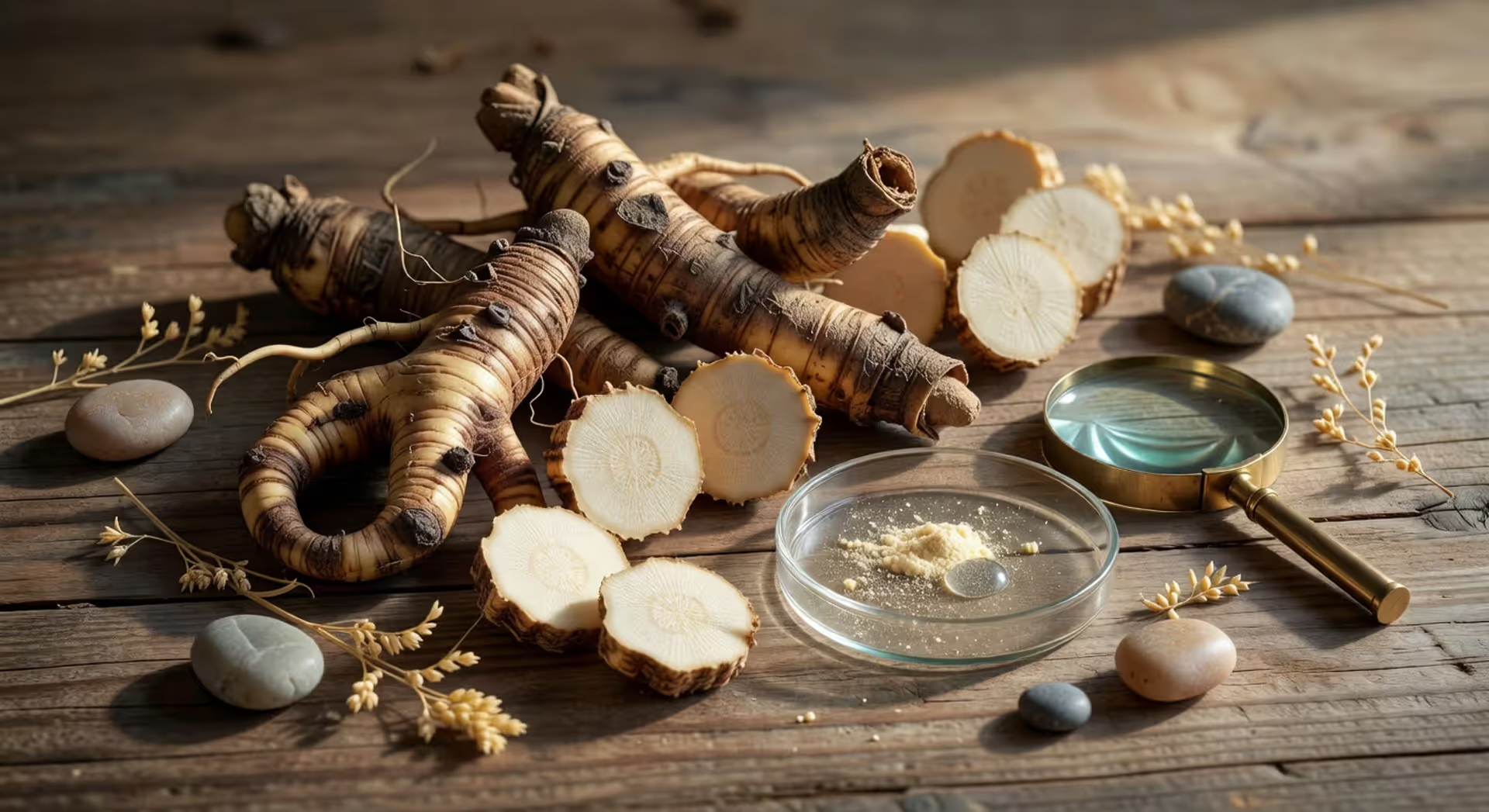
Men looking to boost their testosterone naturally often turn to herbal remedies, and ginseng consistently tops the list. But does ginseng increase testosterone levels, or is it just another overhyped supplement? The answer isn't a simple yes or no. Research shows that ginseng can influence hormonal pathways, though its effects are more nuanced than many marketing claims suggest. Understanding how this ancient root works in your body—and what realistic results look like—can help you decide if it's worth adding to your routine.
What Ginseng Does in the Body
Ginseng isn't a single plant. Several species carry the name, but Panax ginseng (Korean or Asian ginseng) gets the most attention for hormonal health. American ginseng and Siberian ginseng (technically not true ginseng) offer different benefit profiles.
Panax ginseng works as an adaptogen—a substance that helps your body handle stress. The active compounds, called ginsenosides, interact with your hypothalamic-pituitary-adrenal axis. That's the system controlling stress response, energy metabolism, and hormone production.
Here's what happens when you take it. Ginsenosides bind to receptors throughout your body, influencing how cells respond to stress signals. This modulation affects cortisol levels, which in turn can impact testosterone. High chronic stress tanks testosterone production. Anything that regulates stress response can indirectly support healthier hormone levels.
The root also improves cellular energy production. It enhances mitochondrial function and increases nitric oxide availability. Better circulation means improved nutrient and hormone delivery to tissues, including the testes where testosterone synthesis happens.
Ginseng benefits extend beyond hormone support. The plant has demonstrated antioxidant properties, protecting cells from oxidative damage that can impair endocrine function. It's been used in traditional Chinese medicine for over 2,000 years, primarily for vitality and longevity.
How Ginseng Affects Testosterone Production
Now for the main question: does ginseng increase testosterone in a meaningful way?
The research paints an interesting picture. A 2013 study published in the Journal of Ginseng Research found that Korean red ginseng supplementation improved erectile function and increased testosterone levels in men with mild to moderate erectile dysfunction. Participants took 1,000 mg three times daily for eight weeks. Testosterone levels rose by approximately 15% on average.
Another trial from 2016 examined infertile men taking Panax ginseng extract. After three months, participants showed improved sperm parameters and modest testosterone increases—around 10-12% above baseline. Not dramatic, but statistically significant.
But here's where it gets tricky. Studies on healthy young men with normal testosterone levels show inconsistent results. Some trials report no change in total testosterone. Others show improvements only in free testosterone (the biologically active form) without affecting total levels.
The pattern I see most often is this: ginseng appears most effective when testosterone is already compromised by stress, age, or metabolic issues. It doesn't seem to push already-normal levels into supraphysiological ranges.
The mechanism involves several pathways. Ginseng may stimulate luteinizing hormone (LH) release from the pituitary gland. LH signals the testes to produce testosterone. Ginsenosides also protect Leydig cells (the testosterone factories in your testes) from oxidative stress and may improve their sensitivity to LH.
There's also the cortisol connection. Chronic elevated cortisol directly suppresses testosterone synthesis. By helping regulate stress response, ginseng creates a more favorable hormonal environment. This is an indirect effect, but it matters just as much as direct stimulation.
A common mistake? Expecting ginseng to work like synthetic testosterone or prohormones. It won't. The increases are modest and develop gradually. Think optimization rather than pharmaceutical intervention.
Ginseng's influence on testosterone is best understood as restorative rather than stimulatory. In patients with stress-related hormonal dysfunction or age-related decline, we often observe normalization of levels rather than enhancement beyond physiological norms. The herb appears to support the body's natural regulatory mechanisms rather than override them.
Ginseng Benefits Beyond Testosterone
Even if testosterone effects are modest, ginseng offers other benefits that overlap with what low-T sufferers seek.
Ginseng for Energy and Physical Performance
Fatigue is one of the top complaints among men with low testosterone. Ginseng for energy has solid backing. Multiple studies show it reduces mental and physical fatigue, particularly during prolonged stress or recovery from illness.
The mechanism differs from stimulants like caffeine. Instead of spiking energy then crashing, ginseng improves how efficiently your cells produce ATP (cellular energy currency). You won't feel a jolt, but sustained tasks become less draining.
Ginseng for stamina shows up in athletic research too. A 2018 meta-analysis found that Panax ginseng supplementation improved exercise performance and recovery markers. Endurance athletes reported less perceived exertion during training. Strength gains weren't dramatic, but recovery between sessions improved.
Other Health Benefits
Cognitive function gets a boost. Several trials demonstrate improved working memory, reaction time, and mental clarity with regular ginseng use. This ties back to improved cerebral blood flow and neuroprotective effects of ginsenosides.
Immune support is another well-documented benefit. Ginseng modulates immune cell activity, potentially reducing infection frequency and severity. One study found that people taking Panax ginseng had 35% fewer colds over a four-month winter period compared to placebo.
Blood sugar regulation improves in some users. Ginseng can enhance insulin sensitivity and reduce post-meal glucose spikes. This matters for testosterone because insulin resistance and metabolic syndrome are major contributors to low testosterone.
The cardiovascular system benefits too. Ginseng improves endothelial function (the health of blood vessel linings) and may help manage blood pressure. Better circulation supports erectile function independent of testosterone levels.
How to Use Ginseng for Hormonal Health
Getting results requires the right approach. Not all ginseng products deliver the same benefits.
Type matters most. For testosterone and hormonal health, Panax ginseng (Korean red ginseng specifically) has the strongest evidence. American ginseng is milder and better suited for stress and immune support. Siberian ginseng isn't true ginseng and has different active compounds with less impact on testosterone.
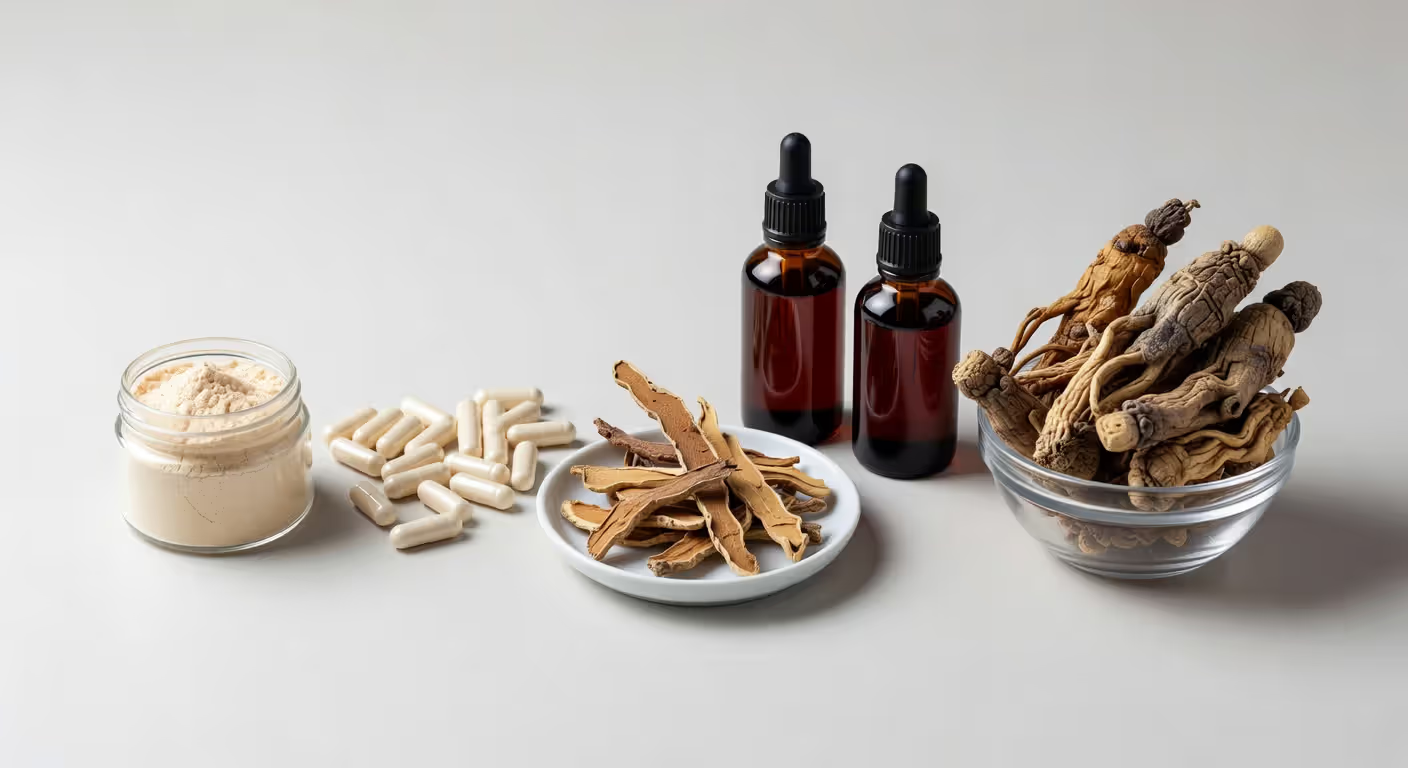
Ginseng dosage varies by form. Most studies showing hormonal benefits used 1,000-3,000 mg daily of standardized extract. Look for products standardized to 2-5% ginsenosides. That's the active compound concentration that matters.
Raw root powder requires higher doses—typically 3-6 grams daily. It's less concentrated than extracts. Capsules and tablets are convenient but check standardization. Many cheap products contain minimal active compounds.
Liquid extracts and tinctures work faster but dosing can be tricky. Follow manufacturer guidelines and look for concentration information.
Timing and cycling. Take ginseng in the morning or early afternoon. Some users report it interferes with sleep if taken late. Many traditional practices recommend cycling: 2-3 weeks on, then one week off. This may prevent tolerance, though research on this is limited.
Consistency beats intensity. Daily use for at least 8-12 weeks is needed to assess effects on testosterone. Hormonal changes happen slowly.
Ginseng food sources are rare in Western diets. The root itself can be sliced and added to soups, stews, or brewed as tea. Korean cuisine features ginseng chicken soup (samgyetang), a traditional stamina-building dish. But you won't get therapeutic doses from occasional culinary use. Supplements are the practical route for most people.
Combination formulas sometimes pair ginseng with other adaptogens or testosterone-supporting nutrients. These can work, but make sure you know what you're getting. Single-ingredient products let you control dosing and identify what's actually helping.
What to Expect and Potential Side Effects
Set realistic expectations. If you're hoping for a 50% testosterone boost in two weeks, you'll be disappointed.
Timeline for results: Energy and mental clarity often improve within 1-2 weeks. Hormonal changes take longer. Most studies showing testosterone effects measured levels after 8-12 weeks of consistent use. Physical changes like improved libido or body composition take even longer—think 3-6 months.
Some men notice nothing measurable but feel better overall. Subjective improvements in energy and stress resilience count, even if lab numbers don't budge dramatically.
Who should avoid ginseng? People with hormone-sensitive cancers should consult their oncologist first. Ginseng's effects on estrogen receptors aren't fully understood, and caution is warranted.
Those with autoimmune conditions need to be careful. Ginseng stimulates immune activity, which could theoretically worsen autoimmune responses. The evidence is mixed, but discuss it with your doctor.
Anyone with cardiovascular disease or taking blood thinners should get medical clearance. Ginseng affects blood clotting and blood pressure. It's usually beneficial, but interactions are possible.
Side effects are generally mild. The most common: insomnia if taken too late, digestive upset, headaches. These usually resolve by adjusting dose or timing. High doses can cause nervousness or rapid heartbeat in sensitive individuals.
Drug interactions matter. Ginseng can interact with diabetes medications (may enhance blood sugar-lowering effects), warfarin and other anticoagulants (may reduce effectiveness), and some antidepressants (particularly MAOIs). Always tell your healthcare provider about supplements you're taking.
One counterintuitive point: more isn't better. Very high doses don't increase benefits and raise the risk of side effects. Stick to researched dosage ranges.
Comparing Ginseng to Other Testosterone Boosters
How does ginseng stack up against other natural options?
Vitamin D probably has stronger evidence for testosterone support, especially in deficient individuals. Correcting low vitamin D can increase testosterone by 20-30%. It's also cheaper and easier to dose. But it doesn't offer the adaptogenic or energy benefits of ginseng.
Ashwagandha has impressive research for stress-related testosterone suppression. Some studies show larger testosterone increases than ginseng—up to 15-20% in stressed men. It's excellent for cortisol management. Ginseng may have an edge for physical performance and cognitive function.
Tongkat ali (Eurycoma longifolia) shows promise for boosting free testosterone and libido. Limited head-to-head comparisons exist, but tongkat ali may be more targeted for sexual function while ginseng offers broader health benefits.
Fenugreek can increase free testosterone by reducing its conversion to other hormones. Effects are modest but consistent. It's often combined with other supplements. The simpler option usually wins here—single ingredients let you identify what actually works for you.
Zinc and magnesium matter if you're deficient. These minerals are cofactors in testosterone synthesis. Supplementing only helps if your levels are low, but many men are subclinically deficient.
Where does ginseng fit? It's best viewed as part of a broader strategy rather than a standalone solution. Combine it with proper sleep, strength training, stress management, and nutrition. Address deficiencies first (vitamin D, zinc, magnesium). Then add ginseng for its adaptogenic and energy benefits.
The advantage of ginseng is its multi-system support. You're not just targeting testosterone—you're improving stress resilience, energy production, immune function, and circulation. That holistic approach often produces better real-world results than chasing a single hormone number.
Ginseng Type
Testosterone Effects
Recommended Dosage
Primary Benefits
Best Use Cases
Panax (Korean Red) Ginseng
Moderate increase in stressed/older men; improves free testosterone
1,000-3,000 mg/day standardized extract
Energy, stamina, hormonal balance, erectile function
Men with stress-related low T, age-related decline, or seeking overall vitality
American Ginseng
Minimal direct effect; may support hormonal balance indirectly
500-2,000 mg/day
Stress reduction, immune support, blood sugar control
General wellness, immune health, metabolic support
How long does it take for ginseng to increase testosterone?
Most clinical studies showing testosterone increases measured results after 8-12 weeks of daily supplementation. You might notice energy improvements within 1-2 weeks, but hormonal changes develop more slowly. Consistency matters more than intensity. If you don't see any subjective benefits after 12 weeks, ginseng may not be the right tool for your situation. Remember that effects are typically modest—10-15% increases in men with already-compromised levels rather than dramatic surges.
What type of ginseng is best for testosterone?
Panax ginseng, particularly Korean red ginseng, has the strongest research backing for testosterone and hormonal health. It contains the highest concentration of ginsenosides that interact with hormonal pathways. American ginseng is milder and better for general stress support. Siberian ginseng isn't true ginseng and doesn't have the same effects on testosterone. Look for products standardized to 2-5% ginsenosides for the most reliable results.
Can women take ginseng for hormonal balance?
Yes, though the effects differ from men. Some research suggests Panax ginseng may help with menopausal symptoms, energy levels, and sexual function in women. It doesn't increase testosterone to problematic levels in women when used at standard doses. The adaptogenic properties benefit stress-related hormonal disruption regardless of sex. That said, women with hormone-sensitive conditions should consult their healthcare provider before starting supplementation.
Is ginseng safe to take daily?
For most people, yes. Clinical trials lasting 12 weeks to 6 months show good safety profiles at standard doses (1,000-3,000 mg daily of standardized extract). Some traditional practices recommend cycling—2-3 weeks on, one week off—though scientific evidence for this approach is limited. Side effects are typically mild: possible insomnia if taken late in the day, occasional digestive upset, or headaches. People taking medications for diabetes, blood clotting, or heart conditions should get medical clearance first.
Does ginseng interact with testosterone medications?
There's limited specific research on interactions between ginseng and testosterone replacement therapy (TRT). Theoretically, ginseng's modest effects on testosterone production shouldn't interfere with exogenous testosterone. However, ginseng can affect blood sugar, blood pressure, and blood clotting, which may matter if you're on other medications. Always inform your healthcare provider about all supplements you're taking, especially if you're on TRT or considering it. Don't use ginseng as a substitute for medically necessary hormone therapy.
What foods contain ginseng naturally?
Ginseng doesn't naturally occur in common foods—it's the root of specific plants. You can consume the root itself by adding sliced ginseng to soups, stews, or brewing it as tea. Korean cuisine features ginseng in traditional dishes like samgyetang (ginseng chicken soup). However, culinary use won't provide therapeutic doses for testosterone support. You'd need to eat substantial amounts regularly. For hormonal health goals, standardized supplements are the practical option. Fresh or dried root can complement supplementation but shouldn't be your primary source.
So does ginseng increase testosterone? The evidence suggests it can, particularly in men dealing with stress-related suppression, age-related decline, or metabolic issues. Don't expect miracles, but modest improvements are realistic with consistent use of quality Panax ginseng. The broader benefits—better energy, improved stress resilience, enhanced stamina—often matter more than the testosterone number itself. If you're looking for natural support for hormonal health and overall vitality, ginseng deserves consideration as part of a comprehensive approach that includes proper sleep, nutrition, exercise, and stress management.