Your digestive system is a chemical factory. Every bite of food you eat gets broken down by specialized proteins called digestive enzymes. Without them, you'd be unable to extract nutrients from meals, no matter how healthy your diet looks on paper.
Most people never think about enzymes for digestion until something goes wrong. Bloating after meals. Gas that won't quit. That heavy, sluggish feeling hours after eating. These symptoms often point to enzyme issues, yet many folks chase other solutions first.
Understanding how digestive enzymes work isn't just academic curiosity. It's practical knowledge that can transform how you feel after every meal.
What Are Digestive Enzymes
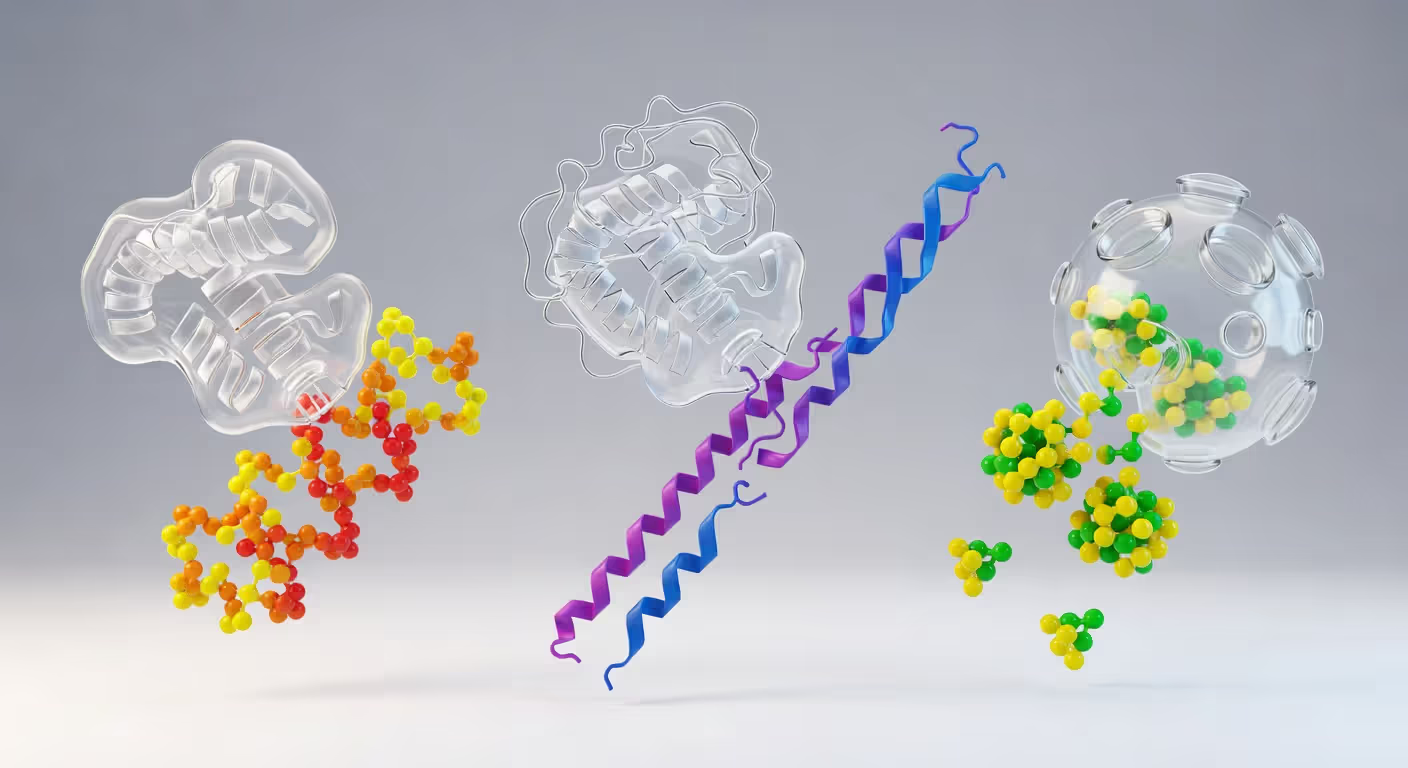
Digestive enzymes are biological catalysts that speed up the breakdown of food molecules into smaller, absorbable units. They're proteins with highly specific jobs—each enzyme targets one type of nutrient.
Think of them as molecular scissors. Each pair of scissors is shaped to cut only one material. You wouldn't use fabric shears on metal, and your body wouldn't use a fat-digesting enzyme on protein.
The three main categories do the heavy lifting:
Amylase breaks down carbohydrates into simple sugars. Your body produces this enzyme in saliva and the pancreas. When you chew bread and it starts tasting slightly sweet, that's amylase at work.
Protease splits protein chains into amino acids. Multiple protease enzymes exist because proteins are complex. Pepsin works in your stomach's acidic environment, while trypsin and chymotrypsin operate in the small intestine's alkaline conditions.
Lipase handles fats, breaking triglycerides into fatty acids and glycerol. This enzyme faces a unique challenge since fats don't mix with the watery environment of your digestive tract. Bile salts emulsify fats first, creating tiny droplets that lipase can access.
Beyond these big three, specialized enzymes tackle specific molecules. Lactase breaks down lactose (milk sugar). Sucrase handles table sugar. Maltase splits maltose from starched foods. Each enzyme has one job, and it does that job exceptionally well.
The pattern I see most often is people assuming all enzymes work the same way. They don't. Temperature matters. pH matters. Timing matters. An enzyme that thrives in your stomach's acid bath would be destroyed in your small intestine's alkaline environment.
Where Digestive Enzymes Come From
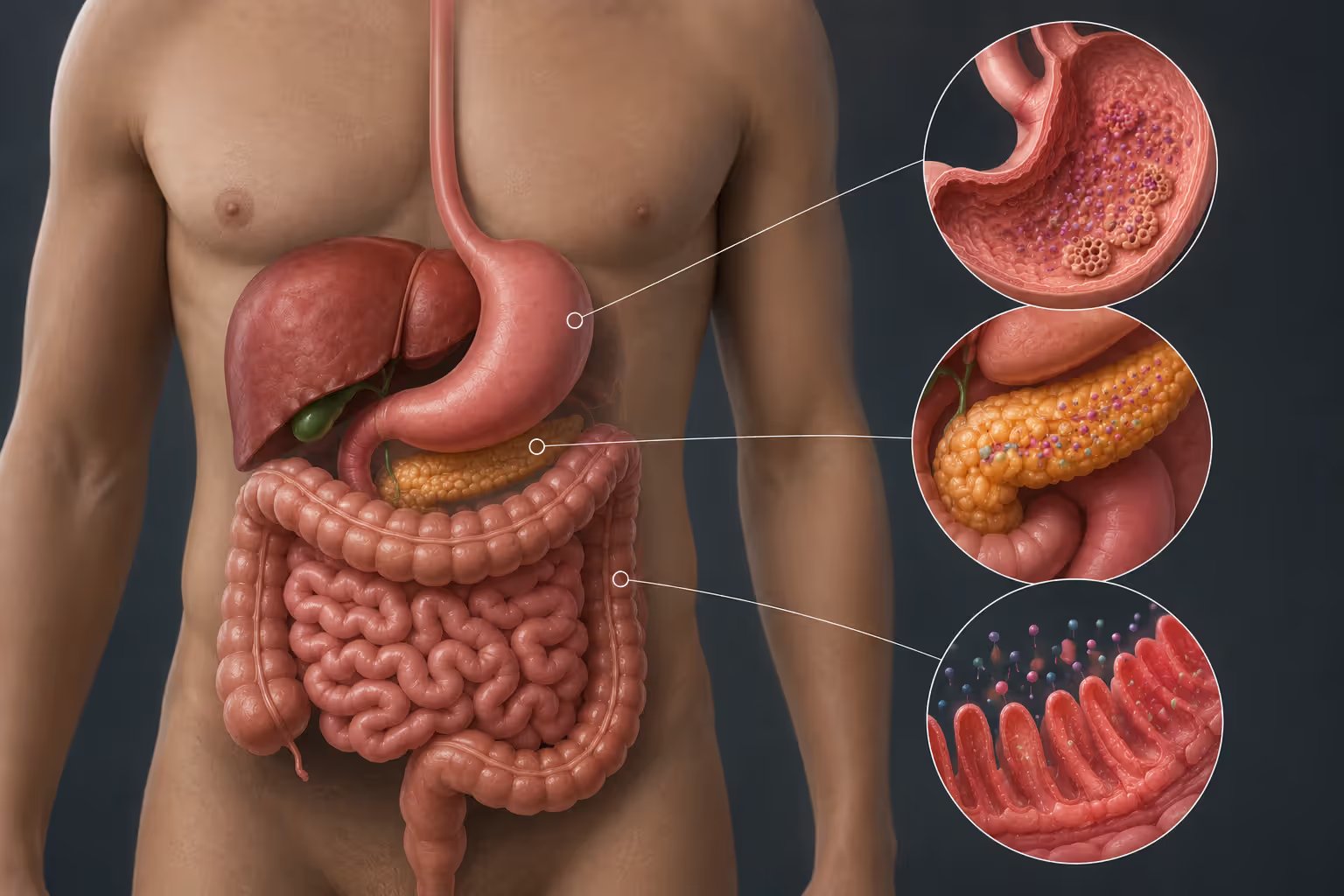
Your body manufactures most digestion enzymes internally. This is called endogenous production. Three organs handle the bulk of this work.
The pancreas is your enzyme powerhouse. This gland produces amylase, lipase, and multiple proteases. When food enters your small intestine, your pancreas releases these enzymes through the pancreatic duct. A healthy pancreas can produce up to 8 cups of enzyme-rich fluid daily.
The stomach produces pepsinogen, which becomes pepsin when exposed to stomach acid. Pepsin is remarkably effective—it can break down collagen, the tough protein in meat that other enzymes struggle with.
The small intestine secretes brush border enzymes from cells lining its walls. These include lactase, sucrase, and maltase. They perform the final breakdown steps right where absorption happens.
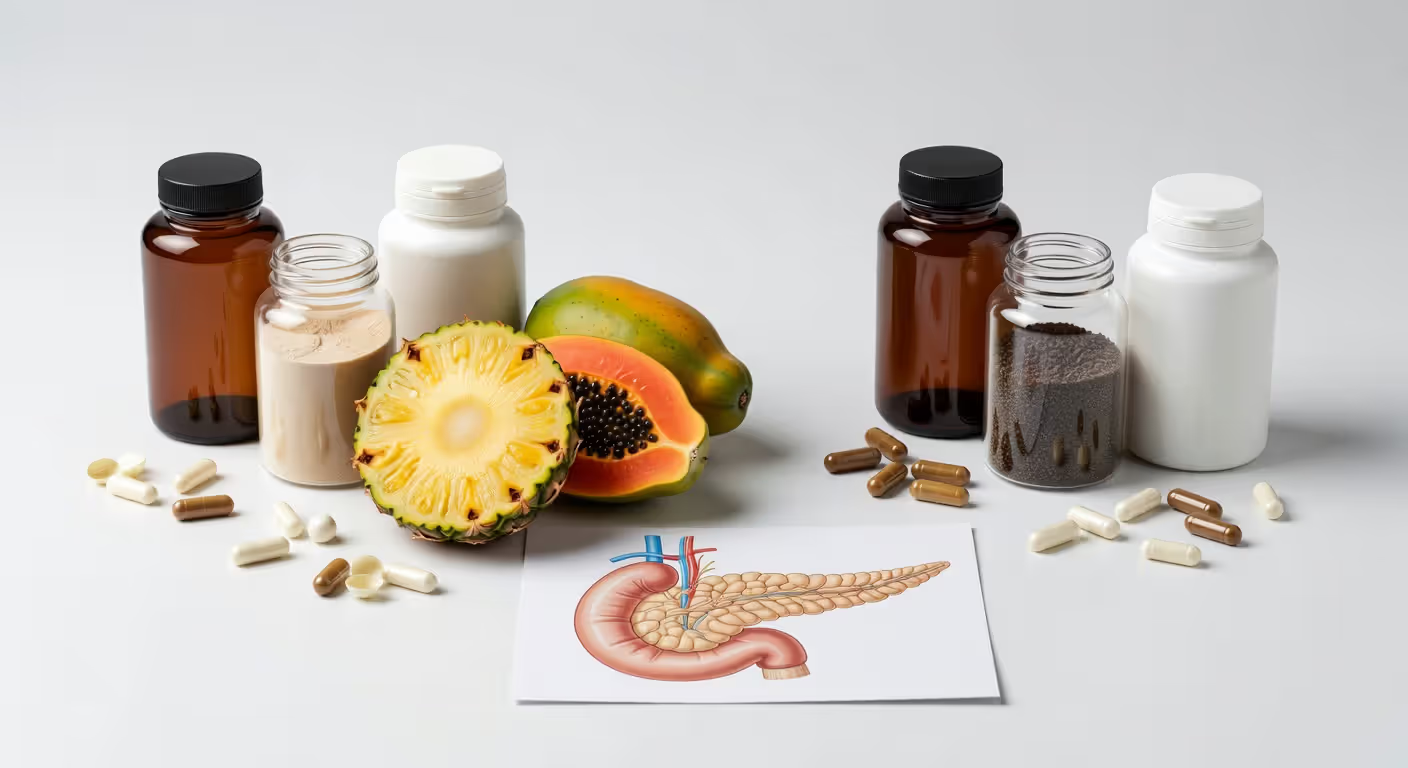
But endogenous production isn't your only source. Exogenous enzymes come from outside your body, primarily through raw foods. Pineapple contains bromelain, a protease. Papaya has papain, another protein-digesting enzyme. Raw honey provides multiple enzymes, though heating destroys them.
Here's where it gets interesting: cooking temperatures above 118°F deactivate most food enzymes. A raw salad delivers active enzymes. A cooked one doesn't. This doesn't mean cooked food is bad—your body produces enough enzymes to handle cooked meals. But it explains why some people feel better adding raw foods to their diet.
GI enzymes work as a coordinated system. Your salivary glands, stomach, pancreas, and intestinal lining all contribute. When one part of this system falters, the others can partially compensate, but only to a point.
Age affects enzyme production. Pancreatic enzyme output can decline 10-15% per decade after age 40. This isn't inevitable for everyone, but it's common enough to explain why foods you tolerated easily at 25 might cause issues at 55.
The Digestion Process Step by Step
Digestion is a relay race. Each section of your digestive tract has specific conditions, and different enzymes tag in at different points.
The journey starts before you swallow.
Enzymes in the Mouth and Stomach
Chewing isn't just mechanical breakdown. Your salivary glands release amylase the moment food touches your tongue. This enzyme begins splitting starches into shorter carbohydrate chains called dextrins, then into maltose.
You can test this yourself. Chew a plain cracker for 30 seconds without swallowing. It'll start tasting sweet as amylase breaks starch into sugar. Most people swallow too quickly to notice this.
Salivary amylase continues working for about 30 minutes after you swallow, until stomach acid deactivates it. That's why thorough chewing matters—it maximizes this enzyme's working time.
Once food reaches your stomach, the environment shifts dramatically. The pH drops to 1.5-3.5, acidic enough to kill most bacteria and denature proteins (unfolding them so enzymes can access their bonds).
Stomach cells secrete pepsinogen, which stomach acid converts to active pepsin. This protease thrives in acid—it's one of the few enzymes that works at such low pH. Pepsin begins protein breakdown, creating shorter chains called peptides.
Your stomach also produces gastric lipase, which handles about 10-30% of fat digestion. This enzyme is especially important for infants, whose pancreatic function isn't fully developed.
Stomach digestion isn't complete digestion. It's preparation. Food leaves your stomach as chyme, a semi-liquid mixture ready for the next stage.
Enzymes in the Small Intestine
The small intestine is where digestion and enzymes truly shine. When acidic chyme enters your duodenum (the first section), it triggers two responses.
Your pancreas releases bicarbonate to neutralize the acid, raising pH to 7-8. Then it floods the area with enzymes: pancreatic amylase, multiple proteases (trypsin, chymotrypsin, carboxypeptidase), and pancreatic lipase.
Your gallbladder contracts, releasing bile. While bile isn't an enzyme, it's critical for lipase function. Bile salts emulsify fat globules into microscopic droplets, increasing the surface area for lipase to work on by up to 10,000 times.
The intestinal lining adds its own enzymes. Brush border enzymes sit on the surface of intestinal cells, performing final breakdown:
Lactase splits lactose into glucose and galactose
Sucrase breaks sucrose into glucose and fructose
Maltase converts maltose into two glucose molecules
Peptidases finish protein breakdown into individual amino acids
This is precision work. Each enzyme has an optimal pH range. Step outside that range, and activity plummets. Pancreatic amylase works best at pH 6.7-7.0. Pepsin needs pH 1.5-2.0. Your body maintains these conditions with remarkable accuracy.
The entire process—from first bite to nutrient absorption—takes 6-8 hours for most meals. Enzymes make this possible. Without them, food would pass through largely unchanged.
Signs You May Need Digestive Enzyme Support
Your body usually signals when enzyme production falls short. The symptoms aren't subtle once you know what to look for.
Persistent bloating is the most common red flag. If your abdomen swells within 30-60 minutes of eating, undigested food may be fermenting in your gut. Bacteria feast on these nutrients, producing gas as a byproduct.
Excessive gas follows the same logic. Passing gas is normal—10-20 times daily is average. But if you're clearing rooms or feeling uncomfortable pressure, that suggests incomplete digestion.
Undigested food in stool is a direct indicator. Seeing recognizable food particles (especially corn, nuts, or leafy greens) means food moved through too quickly or wasn't broken down adequately. Occasional occurrence is normal. Frequent sightings aren't.
Floating, oily stools point specifically to fat malabsorption. Stool that's pale, greasy, or hard to flush often means lipase isn't doing its job. You're literally flushing nutrients down the toilet.
Nutrient deficiencies develop when chronic malabsorption continues. Iron, B12, fat-soluble vitamins (A, D, E, K), and protein deficiencies can all stem from enzyme issues. Blood tests might show low levels despite adequate dietary intake.
Certain medical conditions directly impair enzyme production:
Pancreatic insufficiency means your pancreas doesn't produce enough digestive enzymes. This occurs in chronic pancreatitis, cystic fibrosis, pancreatic cancer, or after pancreatic surgery. It's serious and requires medical management.
Lactose intolerance is enzyme deficiency in its simplest form. Your small intestine produces insufficient lactase. Undigested lactose reaches your colon, where bacteria ferment it, causing gas, bloating, and diarrhea. About 68% of the global population has some degree of lactase deficiency, though prevalence varies by ethnicity.
Celiac disease damages the intestinal lining where brush border enzymes are produced. Even after going gluten-free, some people need temporary enzyme support while their gut heals.
Inflammatory bowel disease (Crohn's or ulcerative colitis) can impair enzyme production and nutrient absorption during active flares.
Age-related decline happens gradually. You might notice foods that never bothered you suddenly cause discomfort. A steak that digested fine at 30 sits heavy at 50. This isn't weakness—it's physiology.
Here's a common mistake: assuming enzymes will fix everything. If you have severe symptoms, see a doctor first. Enzyme deficiency mimics other conditions like SIBO, gastroparesis, or gallbladder disease. Getting the diagnosis right matters.
Types of Digestive Enzyme Supplements
Walk into any health store and you'll face dozens of enzymatic digestive enzymes. The variety is overwhelming, but supplements fall into clear categories.
Plant-based enzymes come from fungi (Aspergillus species) or plants (papaya, pineapple). They work across a broad pH range, remaining active in both stomach acid and intestinal alkalinity. This versatility is their main advantage. Bromelain (from pineapple) and papain (from papaya) are popular plant-based proteases.
Animal-based enzymes are derived from porcine (pig) or bovine (cow) pancreas. They closely match human pancreatic enzymes but only work well in alkaline conditions. They're typically enteric-coated to survive stomach acid. Pancreatin and pancrelipase fall into this category.
Broad-spectrum formulas contain multiple enzymes to address all macronutrients. A typical product might include amylase, protease, lipase, lactase, cellulase, and others. These work well for general digestive support when you're not sure which enzyme you need.
Targeted formulas focus on specific issues. Lactase supplements help with dairy. High-lipase formulas support fat digestion. Alpha-galactosidase (Beano) breaks down complex carbohydrates in beans and cruciferous vegetables that cause gas.
Prescription enzymes are medical-grade products for diagnosed conditions. Pancrelipase (brand names include Creon, Zenpep, Pancreaze) is prescribed for pancreatic insufficiency. These contain standardized amounts of lipase, protease, and amylase, measured in USP units. They're significantly more potent than over-the-counter options.
Over-the-counter supplements vary wildly in quality and potency. The FDA doesn't regulate supplements as strictly as drugs. Enzyme activity is measured in different units (FCC, USP, HUT, LU), making comparisons difficult. Third-party testing (USP, NSF, ConsumerLab) helps verify what's actually in the bottle.
The simpler option usually wins here. If you have a diagnosed deficiency, prescription enzymes are the gold standard. For general support, a broad-spectrum formula from a reputable brand makes sense. Don't overthink it.
How to Choose and Use Digestive Enzymes Safely
Timing determines whether enzymes help or get wasted. Most supplements work best when taken right before or with the first bite of your meal. This ensures they mix with food as digestion begins.
Some people split the dose—half at the start of a meal, half midway through. This extends enzyme availability for larger meals.
Taking enzymes on an empty stomach is pointless for digestive support. Without food present, there's nothing to digest. (Some proteases are taken between meals for anti-inflammatory effects, but that's a different use case.)
Dosage varies by product and need. Start low and increase gradually. A common starting point is one capsule per meal. If symptoms persist, try two. More isn't always better—excess enzymes can cause nausea or abdominal discomfort.
Prescription enzymes have specific dosing based on lipase content. Doctors typically prescribe 500-2,500 lipase units per kilogram of body weight per meal for pancreatic insufficiency. This is medical territory—follow your doctor's instructions precisely.
Potential side effects are generally mild but worth knowing:
Nausea or stomach upset (usually from taking too much)
Diarrhea or constipation (as your system adjusts)
Allergic reactions (rare, but possible with animal-based enzymes)
Mouth irritation (from chewing tablets instead of swallowing)
High-dose protease can irritate your mouth and esophagus. Don't open capsules or chew tablets unless the product specifically says you can.
Who should avoid enzymes or use them cautiously:
People with active stomach ulcers (proteases may worsen them)
Anyone allergic to pork or beef (if using animal-based enzymes)
Individuals taking blood thinners (bromelain and papain have mild anticoagulant effects)
Pregnant or breastfeeding women (limited safety data exists)
If you have a diagnosed digestive disorder, don't self-prescribe. Pancreatic insufficiency, for example, requires prescription-strength enzymes. Over-the-counter products won't provide adequate support.
Consulting healthcare providers matters more than people realize. A gastroenterologist can run tests (fecal elastase, 72-hour fecal fat) to confirm enzyme deficiency. A registered dietitian can help identify dietary triggers that might be causing symptoms enzymes won't fix.
Digestive enzyme supplements can be helpful for specific, diagnosed conditions like pancreatic insufficiency or lactose intolerance, but they're often unnecessary for people with normal digestive function. If you're experiencing persistent digestive symptoms, the first step should be a proper medical evaluation, not self-treatment with supplements. Many symptoms people attribute to enzyme deficiency actually stem from other issues like SIBO, food intolerances, or eating habits that no supplement will address.
The table below compares the major digestive enzymes, what they break down, where your body produces them, and what happens when you don't have enough:
Muscle loss, slow healing, amino acid deficiencies, feeling full quickly
Lipase
Fats (triglycerides)
Pancreas, stomach (gastric lipase)
Fatty/oily stools, fat-soluble vitamin deficiencies (A, D, E, K), weight loss
Lactase
Lactose (milk sugar)
Small intestine (brush border)
Gas, bloating, diarrhea after dairy consumption
Sucrase
Sucrose (table sugar)
Small intestine (brush border)
Diarrhea, gas, bloating after eating sugar
FAQ: Digestive Enzyme Questions Answered
Can digestive enzymes help with weight loss?
Not directly. Enzymes improve nutrient breakdown and absorption, but they don't burn fat or reduce calorie intake. Some people lose weight after starting enzymes because better digestion reduces bloating and water retention, creating the appearance of weight loss. Others might actually gain weight as improved absorption means they're finally extracting calories they previously weren't. If weight loss is your goal, focus on diet and exercise. Enzymes won't do that work for you.
Are digestive enzymes safe to take daily?
For most people, yes. Over-the-counter enzymes are generally safe for long-term use when taken as directed. Your body doesn't become "lazy" or stop producing its own enzymes just because you supplement. That's a myth. However, daily use should ideally address a specific need—like lactose intolerance or age-related decline—not mask an underlying condition that needs medical attention. If you're using prescription enzymes for pancreatic insufficiency, daily use isn't just safe, it's necessary.
What's the difference between digestive enzymes and probiotics?
Completely different tools. Digestive enzymes are proteins that chemically break down food molecules. They work immediately, during the meal, and are then broken down themselves. Probiotics are live bacteria that colonize your gut and support digestive health over time through various mechanisms—producing vitamins, competing with harmful bacteria, modulating immune function. You can take both together. Many people benefit from the combination, as enzymes handle immediate digestion while probiotics support long-term gut health.
Do digestive enzymes work for IBS or acid reflux?
It depends on the root cause. Some IBS sufferers find relief with enzymes, especially if their symptoms stem from specific food intolerances or incomplete digestion. Others see no benefit because their IBS is driven by gut motility issues, stress, or dysbiosis that enzymes don't address. For acid reflux, enzymes might help if poor digestion causes food to sit in your stomach too long, increasing pressure and reflux risk. But if your reflux is due to a weak lower esophageal sphincter or hiatal hernia, enzymes won't fix the mechanical problem. Trial and error, ideally under medical guidance, is the only way to know.
Can you become dependent on digestive enzyme supplements?
No. This is one of the most persistent myths about enzyme supplementation. Your pancreas doesn't "shut down" because you're taking enzymes orally. Enzyme production is regulated by hormonal signals triggered by food entering your digestive tract, not by the presence of supplemental enzymes. If you stop taking enzymes and feel worse, it's because the underlying issue (age-related decline, pancreatic insufficiency, etc.) is still there, not because you've created a dependency.
How long does it take for digestive enzymes to work?
They start working within minutes of mixing with food. You might notice reduced bloating or better bowel movements within a few days of consistent use. But give it two weeks to fairly assess whether they're helping. Some people experience immediate dramatic relief. Others notice subtle improvements that become more obvious over time. If you've seen zero change after three weeks of appropriate dosing, enzymes probably aren't addressing your core issue.
Understanding how digestive enzymes work gives you real power over your digestive health. Whether you're dealing with specific deficiencies or just want to support your system as you age, enzymes can be valuable tools. But they're not magic pills. They work best as part of a broader approach that includes mindful eating, appropriate medical care when needed, and attention to what your body's telling you. Start with the basics, be patient with the process, and don't hesitate to bring in professional help when symptoms persist.