Most people in the U.S. consume roughly 15 grams of dietary fiber each day—well below the 25 to 38 grams recommended for adults. This shortfall has real consequences for digestive health, cardiovascular function, and metabolic balance. Understanding what fiber actually does in your body, which foods deliver it efficiently, and how to increase intake without discomfort can make a measurable difference in how you feel day to day.
What Is Dietary Fiber
Dietary fiber refers to carbohydrate components in plant-based foods that resist breakdown by human digestive enzymes. While proteins, fats, and simple carbohydrates get absorbed in your small intestine, fiber travels through your gastrointestinal tract largely unchanged. This resistance to digestion is precisely what makes it valuable.
Two categories exist, each with distinct characteristics.
Soluble fiber mixes with water to create a viscous gel during digestion. This gel formation slows the movement of food through your system, which moderates how quickly glucose enters your bloodstream and helps trap cholesterol molecules for elimination. Rich sources include oats, legumes, apples, and citrus varieties.
Insoluble fiber remains solid as it passes through your digestive tract. It increases stool volume and accelerates intestinal transit, which promotes regular elimination. Wheat bran, many vegetables, and intact whole grains provide substantial amounts.
Nearly all plant foods deliver a combination of both categories, though the ratio varies. Each type serves different physiological functions, so consuming a variety matters.
The fundamental distinction between fiber and other carbohydrates comes down to enzymatic breakdown. Simple sugars and starches convert to glucose molecules that your body absorbs for energy. Fiber resists this conversion entirely. A serving of white rice will spike blood glucose rapidly, while an equivalent portion of black beans produces a gradual, sustained rise—despite both being carbohydrate sources. The fiber content explains the difference.
How Fiber Works in Your Body
Once consumed, fiber engages with your digestive system through several distinct mechanisms rather than simply passing through inert.
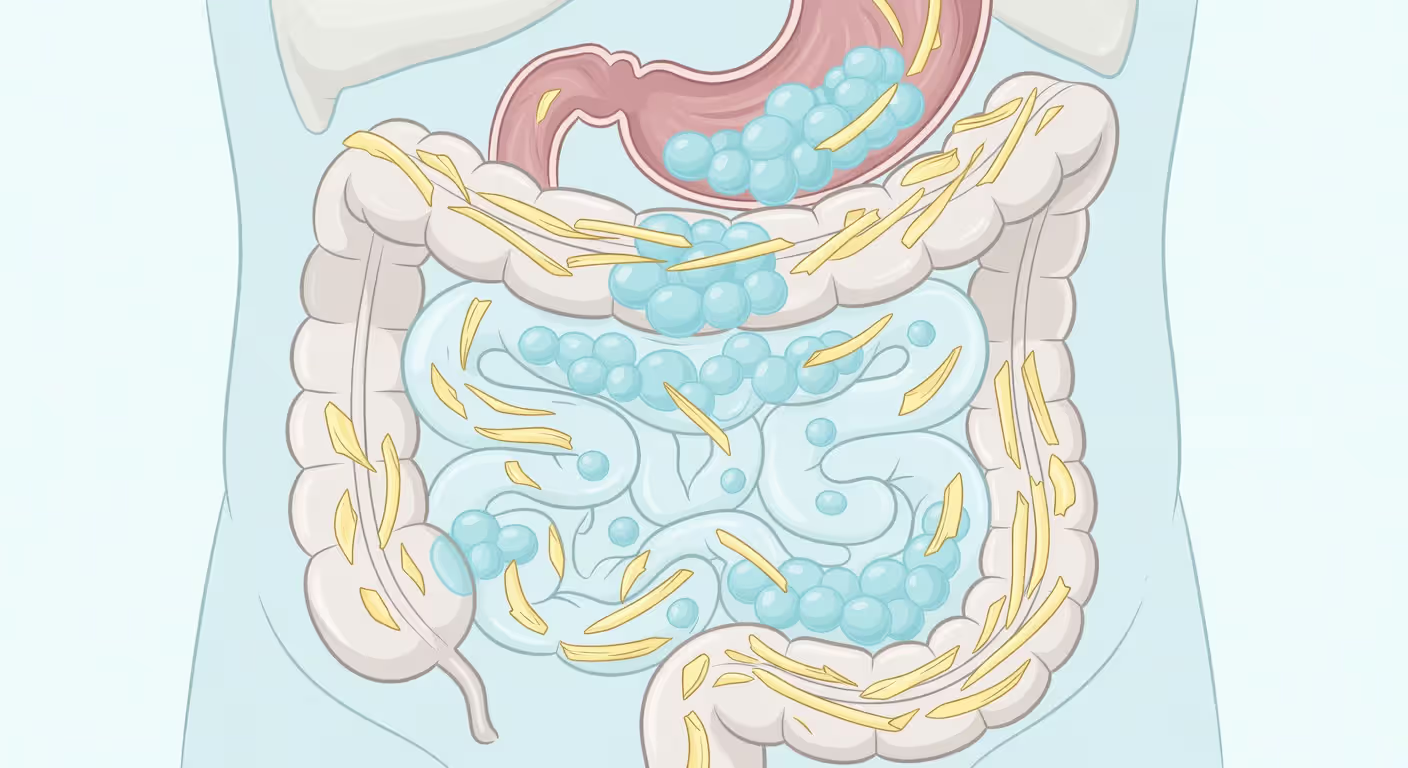
Soluble varieties reduce the speed of gastric emptying—how quickly your stomach releases its contents into the small intestine. This delay creates a more gradual nutrient release into circulation. Additionally, soluble fiber physically binds to bile acids and cholesterol particles in your intestinal lumen, facilitating their removal before absorption occurs.
Insoluble fiber accelerates colonic transit time. It draws water into the intestinal contents as it moves, which softens waste material and makes elimination more efficient and comfortable.
The most significant activity occurs in your large intestine.
Your colon houses an estimated 100 trillion bacterial cells—collectively called your gut microbiota. These organisms ferment certain fiber types, generating short-chain fatty acids including butyrate, propionate, and acetate. These metabolites nourish colonocytes (the cells lining your colon), dampen inflammatory responses, and appear to influence immune regulation and even neurological signaling.
Fermentation potential varies considerably among fiber types. Soluble fibers generally undergo more extensive bacterial fermentation compared to insoluble varieties. This explains why foods rich in soluble fiber sometimes produce more intestinal gas—it signals active microbial metabolism.
A common pattern: people dramatically increase fiber intake overnight and experience significant bloating. Your bacterial populations require gradual adaptation. Increase consumption slowly over several weeks while maintaining adequate hydration.
Health Benefits of Fiber
Evidence supporting fiber's protective effects against chronic disease is extensive and comes from numerous large-scale population studies.
Higher fiber consumption supports healthy body weight by enhancing satiety signals. Foods containing substantial fiber require more chewing and take longer to digest, which means you consume fewer total calories while feeling satisfied. Research following more than 120,000 participants found that individuals who increased their fiber intake experienced less weight gain over extended periods than those maintaining lower intakes.
Digestive function improves with adequate fiber through prevention of constipation, reduced hemorrhoid risk, and lower incidence of diverticular disease. Consistent, comfortable bowel movements reflect proper gut function beyond mere convenience.
Evidence suggests fiber intake may reduce colorectal cancer risk. The protective mechanisms remain under investigation, but faster waste transit reduces mucosal exposure to potential carcinogens, while fermentation-derived short-chain fatty acids demonstrate protective properties in laboratory studies.
Most Americans are walking around fiber-deficient and don't even know it. We see patients with high cholesterol, blood sugar issues, and digestive complaints who could dramatically improve their health just by eating more beans, vegetables, and whole grains. It's one of the simplest interventions with the biggest payoff.
Fiber and Heart Disease Prevention
Cardiovascular benefits of fiber consumption are well-established in medical literature. Meta-analyses show that each additional 7-gram daily increment correlates with approximately 9% lower cardiovascular disease risk.
Soluble fiber reduces LDL cholesterol concentrations by binding bile acids in your intestinal tract. Your liver must then extract cholesterol from circulation to synthesize replacement bile, which lowers blood cholesterol levels. This mechanism functions similarly to pharmaceutical statins, though less dramatically.
Fiber consumption also appears to reduce systemic inflammation markers and support healthy blood pressure. Short-chain fatty acids produced during colonic fermentation may improve vascular endothelial function and promote blood vessel relaxation.
Specific foods demonstrate particularly strong effects. Oats, barley, and psyllium husk are especially potent. Consuming just 3 grams of soluble fiber daily from oat products can decrease total cholesterol by 5–10% in many individuals.
Fiber's Role in Blood Sugar Management
For sustained energy levels without crashes, adequate fiber intake is essential.
Soluble fiber delays glucose absorption, preventing the rapid blood sugar spikes characteristic of refined carbohydrate consumption. This explains why eating a whole orange affects glycemic response differently than drinking orange juice—the intact fiber in whole fruit moderates sugar absorption significantly.
Among individuals with diabetes or prediabetes, higher fiber diets improve glycemic control metrics and may reduce medication requirements. Research shows that consuming 50 grams daily can meaningfully lower fasting glucose and hemoglobin A1c levels.
Regular fiber consumption also enhances insulin sensitivity. When your cells respond more effectively to insulin signaling, your pancreas experiences less strain, which reduces long-term type 2 diabetes risk.
How Much Fiber Do You Need Daily
Official dietary guidelines provide clear targets, though actual consumption falls short for most Americans.
Age/Gender Group
Recommended Daily Intake (grams)
Children 1–3 years
14
Children 4–8 years
17
Boys 9–13 years
25
Girls 9–13 years
22
Teen boys 14–18 years
31
Teen girls 14–18 years
25
Men 19–50 years
38
Women 19–50 years
25
Men 51+ years
30
Women 51+ years
21
Pregnant women
28
Breastfeeding women
29
Current intake data shows Americans average approximately 15 grams daily. This represents a substantial deficit, particularly for adult men whose target is 38 grams.
Gender-based recommendations reflect typical caloric intake differences. The guideline formula suggests approximately 14 grams per 1,000 calories consumed. Since men generally require more calories, their fiber needs are proportionally higher.
You can determine your personalized target by tracking several days of typical eating and applying the 14-grams-per-thousand-calories formula. However, simply working toward the general age-and-gender recommendation proves effective and more practical for most people.
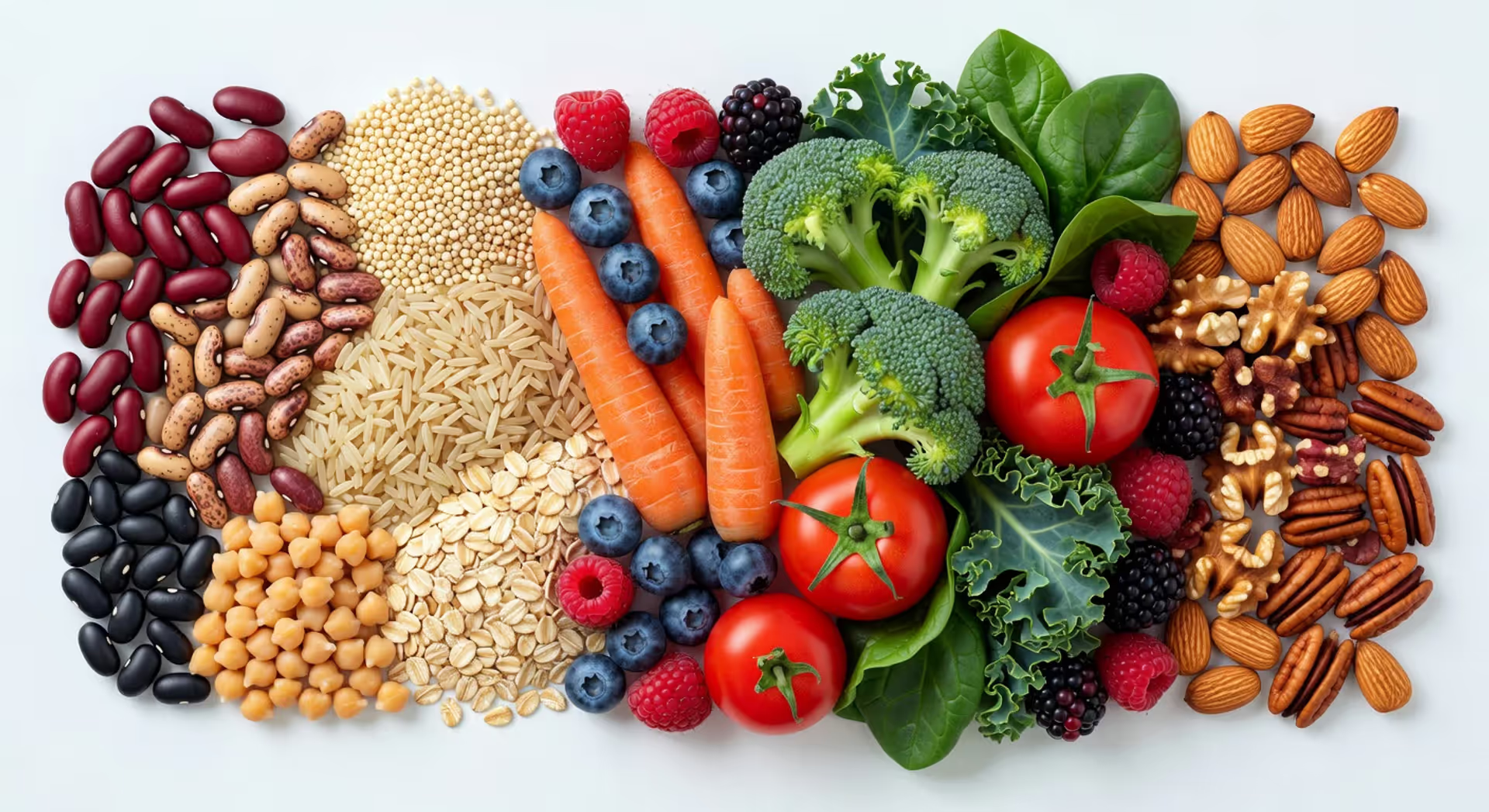
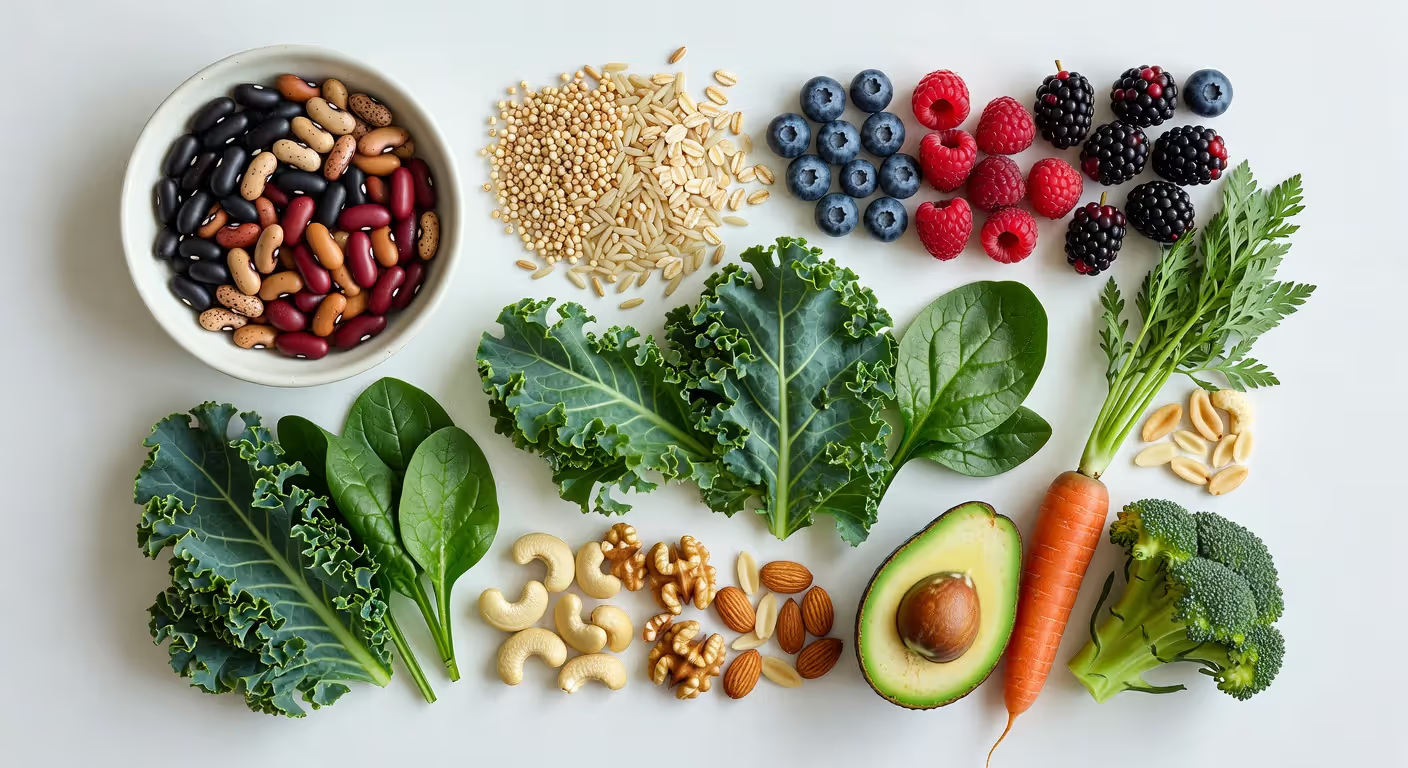
Legumes rank among the most fiber-dense options. One cup of cooked lentils provides 15 grams. Black beans, chickpeas, navy beans, and split peas offer comparable quantities. Incorporate them into soups, salads, tacos, or serve alongside grains.
Whole grains contain both soluble and insoluble fiber. Options include oats, quinoa, farro, brown rice, and products labeled "100% whole wheat." Refined grain processing removes most fiber, so verify labels carefully.
Vegetables show wide variation in fiber content. Artichokes, broccoli, Brussels sprouts, carrots, and sweet potatoes rank highest. Even lower-fiber options like leafy greens and cucumbers contribute meaningfully when consumed in sufficient volume.
Fruits with edible peels and seeds deliver more fiber per serving. Raspberries, blackberries, pears, apples with skin, and oranges are excellent choices. Dried fruits like prunes and figs concentrate fiber but also calories, so monitor portions.
Nuts and seeds combine fiber with beneficial fats. Almonds, chia seeds, ground flaxseed, and pumpkin seeds work well as toppings for yogurt, oatmeal, or salads.
Here's how common foods compare:
Food Item
Portion Size
Fiber Content (grams)
Predominant Type
Lentils, cooked
1 cup
15.6
Mixed
Black beans, cooked
1 cup
15.0
Mixed
Raspberries, fresh
1 cup
8.0
Mixed
Pear with skin
1 medium
5.5
Mixed
Oatmeal, cooked
1 cup
4.0
Primarily soluble
Quinoa, cooked
1 cup
5.2
Mixed
Broccoli, cooked
1 cup
5.1
Mixed
Apple with skin
1 medium
4.4
Mixed
Almonds
1 ounce (23 nuts)
3.5
Mixed
Whole wheat bread
2 slices
3.8
Primarily insoluble
Sweet potato with skin
1 medium
3.8
Mixed
Chia seeds
2 tablespoons
10.0
Primarily soluble
Avocado
1/2 fruit
6.7
Mixed
Brussels sprouts, cooked
1 cup
4.1
Mixed
Brown rice, cooked
1 cup
3.5
Primarily insoluble
The most effective approach? Center your meals around minimally processed plant foods. Replace white rice with brown or wild rice, select whole grain bread varieties, add a half-cup of beans to dinner, choose fresh fruit over processed snacks. These modest substitutions accumulate quickly.
Side Effects and Risks of Too Much Fiber
Increasing fiber intake benefits most people, but excessive amounts or rapid changes cause predictable problems.
Gas and bloating represent the most frequent complaints. Bacterial fermentation of fiber naturally produces gas as a metabolic byproduct. While this indicates healthy microbial activity, it can create uncomfortable pressure if your system isn't accustomed to processing higher fiber loads.
Abdominal cramping and discomfort may occur when fiber accelerates intestinal movement beyond your usual pace, particularly when hydration is inadequate.
Paradoxical constipation can develop with very high fiber consumption paired with insufficient fluid intake. Fiber requires water to perform its bulking and softening functions. Without adequate hydration, it can actually create hard, difficult-to-pass stools rather than preventing them.
Mineral absorption interference becomes possible at extremely high intakes exceeding 70 grams daily. Fiber can chemically bind minerals including calcium, iron, magnesium, and zinc, reducing their bioavailability. For individuals eating varied diets with moderate fiber intake, this rarely presents clinical concern.
Certain medical conditions require temporary fiber restriction. Active inflammatory bowel disease flares, acute diverticulitis, or intestinal obstructions may necessitate a low-residue diet until inflammation resolves. Follow your physician's specific guidance.
Supplement interactions can occur with concentrated fiber products. Psyllium and similar supplements may interfere with absorption timing for certain medications, including some diabetes drugs, thyroid hormones, and carbamazepine. Space medication administration at least one hour before or two hours after taking fiber supplements.
The solution for most adverse effects? Gradual progression. Add approximately 5 grams weekly until reaching your target. Consume at least 8 cups of water throughout each day. Your digestive system and microbiome will adapt within a few weeks.
FAQ: Fiber Questions Answered
Can you get too much fiber?
Excessive fiber intake is possible but uncommon when eating whole foods. Problems typically arise from supplements or sudden dramatic dietary shifts. Intakes exceeding 70 grams daily may interfere with mineral absorption and cause significant digestive discomfort. The more common issue is increasing consumption too rapidly—your intestinal bacteria need gradual adaptation time. If you're eating primarily whole plant foods and feeling well, your intake is likely appropriate. Pay attention to your body's signals.
Does fiber help you lose weight?
Fiber supports weight management but isn't a standalone solution. It enhances satiety signaling, which naturally reduces overall calorie consumption without conscious restriction. Longitudinal studies demonstrate that individuals with higher fiber intakes tend to maintain lower body weights over time. However, fiber can't compensate for excessive calorie intake or poor overall diet quality. It functions most effectively as one component of a balanced eating pattern emphasizing whole foods and appropriate portions.
Should I take fiber supplements or get fiber from food?
Whole food sources are superior in virtually all situations. Plant foods provide fiber alongside vitamins, minerals, phytonutrients, and other beneficial compounds that work synergistically. Supplements deliver isolated fiber without these complementary nutrients. That said, supplements serve a purpose for individuals with specific medical conditions or those genuinely unable to meet needs through food alone. Psyllium husk, methylcellulose, and inulin are widely available options. Just avoid relying on supplements as your primary fiber source.
What's the difference between fiber and fibre?
These are simply spelling variations with no nutritional distinction. "Fiber" follows American English conventions, while "fibre" represents British English spelling. Both terms describe identical nutritional components—the indigestible portions of plant-based foods. You'll encounter both spellings depending on the publication's origin, but they reference the same dietary constituent.
Why does fiber cause gas and bloating?
Intestinal bacteria ferment specific fiber types, releasing gas as a normal metabolic product. This actually indicates a thriving, metabolically active microbiome. When you're unaccustomed to higher fiber intake, your bacterial populations haven't yet expanded to efficiently process the increased substrate. Gas production typically diminishes after several weeks of consistent consumption. Adequate hydration, gradual intake increases, and regular physical activity all help minimize discomfort. Soluble fibers generally produce more fermentation byproducts than insoluble varieties.
How long does it take to see health benefits from fiber?
Timeline varies by outcome. Improved bowel regularity and easier elimination often appear within several days. Cholesterol reductions typically become measurable after 4–6 weeks of consistent higher intake. Blood sugar regulation improves over weeks to several months. Weight changes require sustained adherence over multiple months. Long-term protective effects against cardiovascular disease and certain cancers accumulate over years of maintained intake. Consistency matters more than perfection. Fiber works best as a permanent dietary pattern rather than a temporary intervention.
Reaching adequate fiber intake doesn't require dietary perfection or extreme measures. Begin with your current eating pattern, add a serving of beans or lentils several times weekly, choose whole grain options when available, and keep water intake consistent. Your digestive system, cardiovascular health, and metabolic function will respond positively. The modifications are manageable, and the health returns are substantial.