You don't need a nutrition degree to figure out dietary fat. Your body literally can't function without it—but here's the catch: not all fats work the same way inside you. Some varieties protect your heart and sharpen your thinking. Others mess with your cholesterol and crank up inflammation. What makes the difference? The molecular shape, where it comes from, and how much you're eating.
This guide breaks down everything about dietary fats in plain language. You'll learn what they actually do inside your body, which ones deserve a spot on your plate, which ones to skip, and how to build meals that make sense for your health. No confusing jargon, just practical information you can use today.
What Are Dietary Fats and Why Does Your Body Need Them
Fats belong to the macronutrient family—your body requires them in substantial quantities, similar to carbohydrates and protein. Here's what catches most people off guard: every single gram of fat delivers 9 calories of energy. Compare that to protein or carbohydrates, which provide just 4 calories per gram. This caloric density explains why fat serves as such efficient fuel storage.
Energy production represents just the starting point. Examine any cell under magnification and you'll notice the outer barrier consists entirely of fat molecules. These lipid structures regulate which substances enter cells and which remain outside. Restrict dietary fat too severely, and you're essentially depriving your cells of essential construction materials.
Hormone production depends heavily on adequate fat consumption. Cholesterol—yes, that frequently demonized compound—converts into testosterone, estrogen, and cortisol. When fat intake drops too low, your endocrine system can't manufacture the chemical messengers controlling everything from reproductive function to stress response.
Here's another critical detail that surprises many people: your digestive system cannot absorb vitamins A, D, E, and K without fat present. You might consume the most nutrient-dense salad imaginable, but using fat-free dressing means leaving most of those vitamins unabsorbed. Research demonstrates absorption rates plummet by 70% or more when meals lack adequate fat. Add a drizzle of olive oil to those vegetables and suddenly your body can access all that nutrition.
Brain tissue consists of approximately 60% fat when measured by dry weight. Memory formation, concentration, mood stability—all these functions require consistent fat intake. People who drastically cut dietary fat frequently report mental fog and irritability within just a few weeks.
How Fat Functions in Your Body
Fat performs specialized tasks throughout your system that no other nutrient can replace.
Brain health and cognitive function. Myelin—the protective insulation surrounding nerve cells—contains predominantly fat. This coating allows electrical signals to travel rapidly through your nervous system. DHA, a specific omega-3 fatty acid, accumulates heavily in brain tissue and directly influences learning capacity, memory formation, and emotional regulation.
Vitamin absorption and distribution. Scientific evidence confirms what nutrition professionals have understood for decades: fat-free condiments dramatically reduce nutrient absorption. One investigation discovered that participants absorbed 70% fewer carotenoids from vegetables when they eliminated oil from meals. Your digestive system simply cannot extract fat-soluble vitamins from food or transport them through your bloodstream without lipid molecules present.
Inflammation control. Various fats transmit different messages to your immune system. Omega-3s from marine sources and certain plants generate anti-inflammatory compounds. Excessive omega-6 intake from refined vegetable oils? That can shift your body toward inflammatory states, particularly when the ratio becomes imbalanced. Achieving proper balance matters more than fixating on precise numbers.
Insulation and temperature regulation. The subcutaneous fat layer maintains stable core temperature. Notice how extremely lean athletes frequently complain of feeling cold? They lack sufficient insulation.
Organ protection. Appropriate amounts of fat cushion your kidneys, liver, and other vital organs against physical trauma. Excess visceral fat creates serious health problems, but some protective padding remains essential.
Fat also controls gastric emptying speed. That's precisely why meals containing adequate fat maintain satiety for extended periods, while low-fat options leave you searching for snacks ninety minutes later.
Types of Dietary Fat Explained
Chemical structure determines how each fat category affects your wellbeing. Here's what you actually need to understand.
Saturated Fat
Saturated fatty acids contain no double bonds linking carbon atoms—they're fully "saturated" with hydrogen atoms. This molecular arrangement keeps them solid when refrigerated.
Common sources include beef, pork, poultry skin, dairy products like butter and cheese, cream, along with tropical oils including coconut and palm, plus cocoa butter.
For decades, health authorities blamed saturated fat for cardiovascular disease. Recent investigations reveal the relationship is more nuanced. While consuming large quantities can elevate LDL cholesterol in certain individuals, responses vary dramatically based on genetics, overall dietary patterns, and which specific fatty acids you're consuming. Stearic acid from dark chocolate, for instance, appears neutral or potentially beneficial for cardiovascular health.
Current scientific consensus? Maintaining saturated fat around 10% of daily caloric intake—from whole foods rather than processed products—seems reasonable for most individuals.
Unsaturated Fats (Monounsaturated and Polyunsaturated)
Unsaturated fatty acids contain one or more double bonds. They remain liquid even when chilled.
Monounsaturated fats feature a single double bond. Foods rich in these include olive oil, avocados, various nuts like almonds, cashews, and peanuts. Multiple investigations consistently link monounsaturated fats to improved cholesterol profiles and reduced cardiovascular disease risk. The Mediterranean diet's remarkable health outcomes? Largely attributable to generous monounsaturated fat consumption.
Polyunsaturated fats feature multiple double bonds. This group includes omega-3 and omega-6 fatty acids—designated "essential" because your body lacks the biochemical machinery to synthesize them.
Omega-3s appear in three primary forms: ALA (found in flaxseed, chia, walnuts) plus EPA and DHA (concentrated in fatty fish including salmon, mackerel, sardines). These compounds reduce inflammatory responses, enhance brain function, and protect cardiovascular health. Most Americans consume inadequate amounts.
Omega-6 fatty acids appear abundantly in vegetable oils—particularly soybean, corn, sunflower, and safflower varieties. While omega-6s fulfill essential metabolic functions, typical Western eating patterns deliver excessive amounts relative to omega-3 consumption. This imbalance potentially promotes chronic inflammation.
Trans Fats
Trans fatty acids are unsaturated fats chemically modified through industrial partial hydrogenation. This manufacturing process converts liquid oils into solid fats and prolongs shelf life.
You'll encounter them in certain margarines, vegetable shortening, restaurant deep-fried items, and packaged baked products—though many manufacturers have reformulated. Trace amounts exist naturally in ruminant animal meat and dairy.
Trans fats represent the sole fat category that nutrition scientists unanimously condemn. They elevate LDL cholesterol, decrease HDL cholesterol, stimulate inflammation, and substantially increase cardiovascular disease risk. The FDA prohibited artificial trans fats in 2020, though some older inventory may still circulate.
Healthy Fats vs. Unhealthy Fats: What to Eat and Avoid
Understanding the science is valuable. Actually shopping and cooking? That demands clear, actionable guidelines.
Prioritize these beneficial fats:
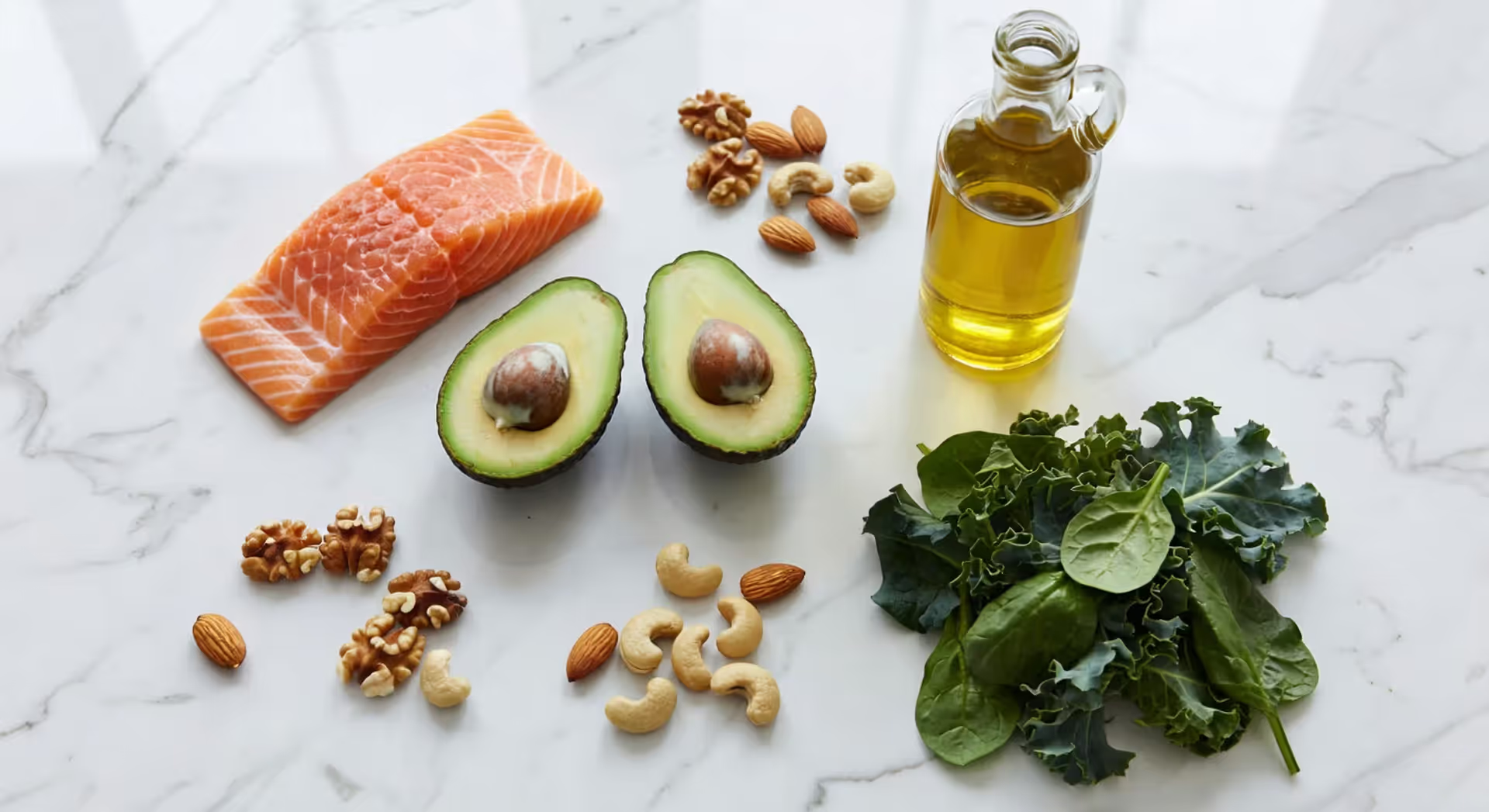
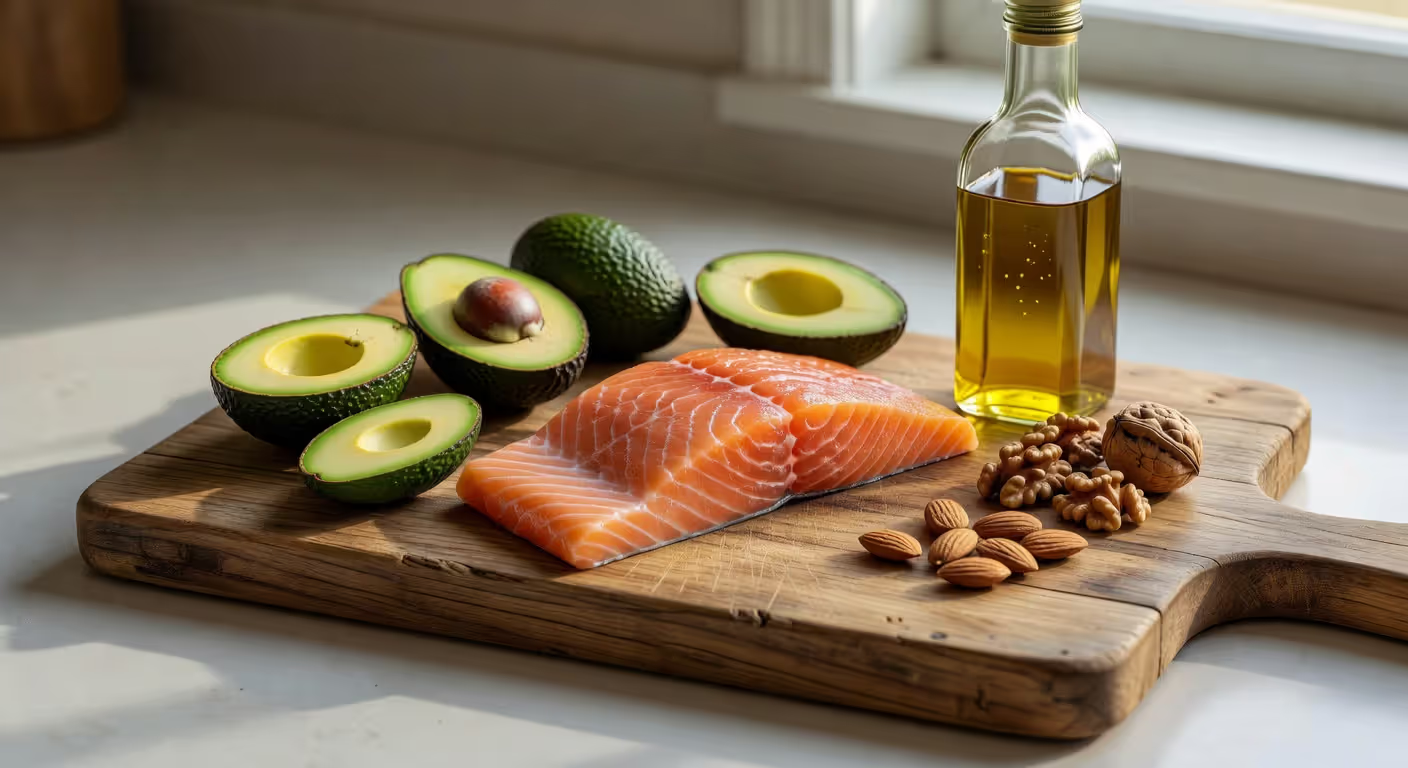
Fatty fish varieties—salmon, sardines, herring, mackerel—deliver omega-3s with documented health benefits. Target a minimum of two weekly servings.
Extra virgin olive oil represents an exceptional choice for cooking and finishing dishes. It supplies monounsaturated fats alongside anti-inflammatory polyphenol compounds.
Avocados contain monounsaturated fatty acids plus dietary fiber, potassium, and numerous vitamins. Half an avocado provides approximately 15 grams of predominantly healthy fat.
Nuts and seeds supply unsaturated fats combined with protein, fiber, and essential minerals. Walnuts contain particularly high omega-3 levels. Almonds, pecans, and pumpkin seeds offer excellent alternatives.
Whole eggs deliver healthy fats in the yolk, along with choline, vitamin D, and complete protein. For most individuals, dietary cholesterol from eggs minimally impacts blood cholesterol measurements.
Minimize or eliminate these problematic fats:
Partially hydrogenated oils harbor trans fatty acids. Scrutinize ingredient labels and reject products listing these compounds.
Excessive saturated fat from processed meats, high-fat dairy products, and tropical oils can increase LDL cholesterol in susceptible people. Complete elimination isn't necessary, but these shouldn't dominate your meals.
Heavily refined vegetable oils—especially when repeatedly heated for deep frying—undergo oxidation promoting inflammatory responses. Small quantities of soybean or corn oil won't harm you, but they shouldn't constitute your primary fat sources.
Fast food fried items combine multiple concerns: possible trans fats, oxidized oils, excessive calories, and typically refined carbohydrates. Occasional indulgence won't destroy your health, but frequent consumption absolutely will.
Whole food fat sources—fish, nuts, avocados, olives—deliver additional beneficial nutrients. Extracted oils are more processed but remain valuable when selected wisely.
The biggest nutritional mistake I see in my practice is clients cutting out all dietary fat when they're trying to lose weight or improve their health. Your body actually requires adequate fat intake to function optimally. The key is choosing the right types—emphasizing unsaturated fats from minimally processed whole foods while moderating saturated fat and completely avoiding trans fats. When clients make this shift without drastically cutting total fat, they consistently report better energy, improved mood, and easier weight management.
Fat and Protein Diet: Balancing Macronutrients
Fat and protein complement each other remarkably well. Both nutrients slow digestion, stabilize blood glucose, and extend satiety after meals.
When you combine protein with fat, you experience steady energy release without the blood sugar fluctuations you'd get from a carbohydrate-heavy meal. That's why eggs paired with avocado maintain fullness for hours while a bagel with jam triggers hunger again within ninety minutes.
Numerous popular dietary approaches emphasize both macronutrients. Ketogenic protocols feature high fat intake, moderate protein, and minimal carbohydrates. Paleo frameworks typically include generous amounts of both. Even balanced omnivorous eating patterns benefit from strategic pairing of these nutrients.
Practical meal combinations:
Breakfast: Scrambled eggs prepared in olive oil accompanied by avocado slices and smoked salmon. You're obtaining protein from eggs and fish alongside healthy fats from multiple sources.
Lunch: Grilled chicken breast over mixed greens with walnuts, olive oil vinaigrette, and a hard-boiled egg. Lean protein combined with diverse fat sources.
Dinner: Baked salmon with roasted vegetables drizzled in olive oil served alongside quinoa. The fish provides both protein and omega-3 fatty acids.
Snacks: Greek yogurt topped with almonds, or celery sticks spread with almond butter. These combinations prevent energy crashes between meals.
Ideal fat-to-protein ratios fluctuate depending on your objectives and preferences. Athletes might require extra protein for recovery. People following ketogenic approaches emphasize fat. Most individuals thrive consuming roughly equal calories from protein and fat—which translates to more fat grams because of its higher caloric density.
A frequent mistake? Restricting both macronutrients heavily while loading up on carbohydrates. That strategy leaves many people perpetually hungry, exhausted, and battling intense cravings.
How Much Fat Should You Eat Daily
There's no universal answer. Your requirements depend on age, physical activity, health status, and dietary approach.
According to USDA guidelines, approximately 20-35% of your total daily calories should originate from fat. For someone consuming 2,000 calories daily, that calculates to roughly 44-78 grams of fat.
Those represent fairly broad parameters. Some individuals thrive consuming 20-25% of calories from fat. Others perform better at 35-40% or even higher when following ketogenic approaches.
Finding what works for you:
Begin in the middle of recommended ranges—around 25-30% of calories from fat. On a 2,000-calorie eating plan, that's approximately 55-65 grams daily.
Emphasize unsaturated fatty acids. Incorporate omega-3-rich foods a minimum of twice weekly. Select olive oil as your primary cooking fat.
Maintain saturated fat below 10% of total calories—roughly 22 grams on a 2,000-calorie plan. You don't need to track obsessively, just remain mindful of portions.
Eliminate trans fats completely. Read ingredient labels and avoid anything listing "partially hydrogenated" oils.
Standard fat source portions:
One tablespoon of olive oil contains 14 grams of fat
Half a medium avocado provides 15 grams of fat
An ounce of almonds (roughly 23 nuts) contains 14 grams of fat
Three ounces of salmon delivers 11 grams of fat
One tablespoon of peanut butter contains 8 grams of fat
Individual requirements fluctuate significantly. Endurance athletes burning thousands of calories can handle substantially higher absolute fat consumption. People managing certain medical conditions may require adjusted amounts. Pregnant and breastfeeding women need adequate fat for fetal development and milk production.
Pay attention to how you feel. If you're constantly hungry on lower-fat intake, increase healthy fat consumption. If high-fat meals make you sluggish, reduce portions slightly. Your body provides valuable feedback when you listen.
Common Questions About Fats Nutrition (FAQ)
Are all saturated fats bad for you?
Definitely not—saturated fatty acids don't uniformly impact health identically. Specific molecular types produce different physiological effects. Stearic acid from dark chocolate and beef demonstrates neutral or possibly beneficial cholesterol impacts. Lauric acid in coconut oil elevates both LDL and HDL cholesterol. Source matters significantly—saturated fat from minimally processed whole foods like dairy and unprocessed meat may affect health differently than saturated fat in processed products packed with added sugars and sodium. Most health authorities continue recommending saturated fat stay below 10% of total calories, though complete elimination isn't necessary. Focus on overall dietary patterns and food quality rather than obsessing over isolated nutrients.
What are the healthiest sources of unsaturated fats?
The optimal unsaturated fat sources are nutrient-dense whole foods. Fatty fish varieties including salmon, mackerel, sardines, and herring supply omega-3s alongside complete protein and vitamin D. Avocados provide monounsaturated fats plus dietary fiber, potassium, and vitamins C and E. Tree nuts and seeds—particularly walnuts, almonds, flaxseed, and chia—deliver unsaturated fats, protein, fiber, and essential minerals. Extra virgin olive oil contains monounsaturated fatty acids and anti-inflammatory polyphenol compounds. Whole olives themselves represent another excellent option. These minimally processed sources consistently demonstrate health benefits in research, unlike isolated oils or supplements which produce more variable results.
Does eating fat support weight loss efforts?
Absolutely—consuming appropriate quantities of dietary fat can facilitate weight reduction through several mechanisms. Fat slows gastric emptying and extends satiety, reducing total daily calorie consumption. It prevents blood glucose fluctuations that trigger intense cravings. Fat also enhances food palatability and satisfaction, improving dietary adherence. Many people find moderate-fat or even higher-fat dietary approaches more sustainable than low-fat alternatives. However, fat contains 9 calories per gram, making portion control essential. The strategy involves replacing refined carbohydrates and added sugars with healthy fats, not simply adding fat to your existing eating pattern. Both quality and quantity influence outcomes.
How do I read nutrition labels for fat content?
Begin by checking the serving size at the top—all nutritional values reference that specific amount. Examine total fat grams, then review the breakdown: saturated fat, trans fat, and sometimes polyunsaturated and monounsaturated fats. Select foods listing zero trans fat. Compare saturated fat to total fat—when saturated fat represents a small fraction, that's favorable. Check the ingredient list for "partially hydrogenated oil" which signals trans fat presence even when labels claim zero (products containing under 0.5 grams per serving can legally round down to zero). Look for specific fats in ingredients: olive oil, avocado oil, and fish indicate quality; palm oil and coconut oil contain higher saturated fat; anything partially hydrogenated should be rejected immediately.
Is a high-fat, low-carb diet safe long-term?
For most healthy individuals, a properly designed high-fat, low-carb dietary pattern can be maintained safely over extended periods. Research examining ketogenic and low-carb approaches demonstrates improvements in triglycerides, HDL cholesterol, blood sugar control, and weight management. However, important qualifications apply. Fat quality matters enormously—emphasize unsaturated fats from fish, nuts, avocados, and olive oil rather than excessive saturated fat from processed meats and cheese. Adequate protein intake and abundant vegetable consumption remain essential. Some individuals experience elevated LDL cholesterol on high-fat protocols and require dietary modifications. Anyone managing kidney disease, liver disease, or eating disorder history should consult healthcare providers before implementing major dietary changes. Long-term success requires discovering an approach you can genuinely maintain, not merely tolerate temporarily.
What's the difference between omega-3 and omega-6 fats?
Both represent polyunsaturated fatty acids with distinct molecular structures and physiological functions. Omega-3s (from fish, flaxseed, and walnuts) reduce inflammatory responses and support cardiovascular and cognitive health. Omega-6s (abundant in vegetable oils, nuts, and seeds) serve essential metabolic functions but can promote inflammation when consumed disproportionately relative to omega-3s. The issue isn't omega-6s themselves—it's the consumption ratio. Traditional human diets contained roughly equivalent omega-3 and omega-6 amounts. Contemporary Western diets often provide 15-20 times more omega-6s due to heavy vegetable oil consumption. This disproportion may fuel chronic inflammatory conditions. The solution isn't omega-6 elimination but rather increasing omega-3 intake from fish while reducing excessive vegetable oil consumption. Target at least two weekly servings of fatty fish and choose olive oil over corn or soybean oil whenever possible.
Getting a handle on fats nutrition empowers you to make smart dietary decisions every day. Focus on healthy fats from minimally processed whole food sources, go easy on saturated fats from processed products, and completely avoid trans fats. Balance your fat consumption with adequate protein and quality carbohydrates. Pay attention to how different fats affect your energy, hunger levels, and overall well-being, then adjust based on what you notice. Fat isn't the enemy—it's a vital component of health-promoting nutrition when you choose appropriate types and amounts.