You've probably hit your protein targets for weeks—maybe months—without questioning where that protein actually comes from. Turns out, 30 grams from a mystery-ingredient protein bar affects your body differently than 30 grams from a piece of wild salmon. The numbers match, but the nutritional reality? Completely different story.
Most people track protein like it's just another number to hit. Hit your macros, check the box, move on. But here's what nobody mentions: heavily processed proteins loaded with additives, sweeteners, and fillers technically count toward your daily goal while potentially working against your actual health. The conversation needs to shift from "how much" to "what kind."
This guide breaks down how to identify genuinely high-quality proteins, which sources deserve space in your kitchen, and how to avoid the marketing traps that make low-quality options look premium.
What Are Clean Proteins and Why They Matter
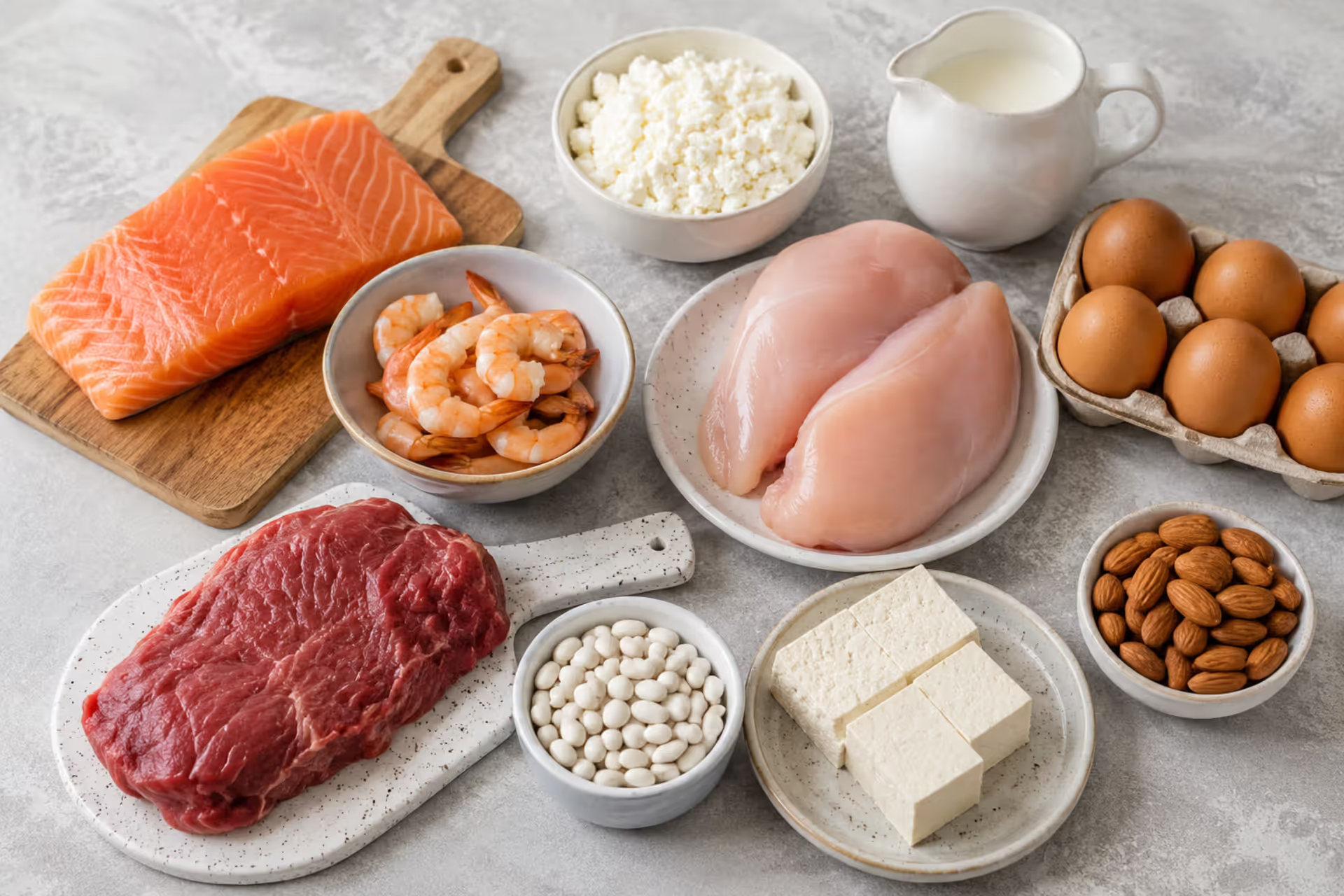
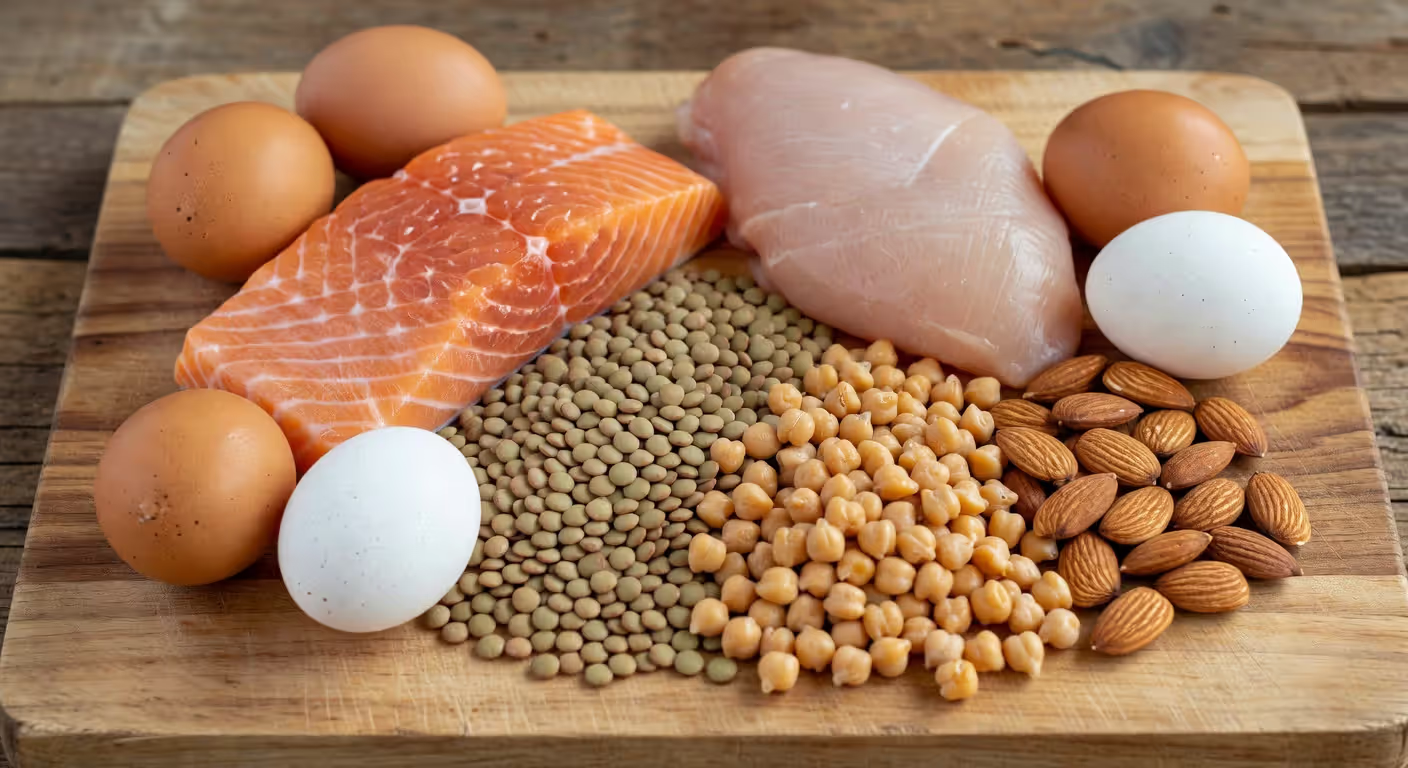
Think of clean proteins as the ones your great-grandparents would recognize as food. We're talking about sources that haven't been chemically altered, pumped full of additives, or processed beyond recognition—stuff like wild-caught fish, eggs from pasture-raised chickens, grass-fed beef, organic poultry, and straightforward plant options like lentils or hemp seeds.
This isn't just wellness buzzword bingo. There's actual substance here.
When proteins go through extensive processing, manufacturers typically add emulsifiers, preservatives, artificial flavors, and stabilizers. None of these ingredients offer nutritional benefits—they exist to extend shelf life, improve texture, or mask the taste of subpar base ingredients. Your body doesn't need them, can't use them, and sometimes actively struggles to process them.
Higher-quality protein sources come with better bioavailability, meaning your digestive system can actually break them down and put those amino acids to work efficiently. Plus, they include bonus nutrients that processed versions strip away: B vitamins, iron, zinc, omega-3s, and in plant varieties, fiber. Processing eliminates these co-factors that make the protein more valuable.
The health implications go deeper than digestion. Research consistently shows that whole food proteins correlate with better metabolic markers, greater satiety between meals, and lower inflammatory responses compared to their ultra-processed counterparts. You might be eating enough protein on paper while choosing sources that undermine your broader health goals.
Quality matters because protein does way more than build muscle. It regulates hormones, supports immune function, maintains skin and hair health, and keeps you full between meals. Lower-quality proteins might technically fulfill your macro requirements while failing to deliver these wider benefits.
How to Identify High-Quality Protein Sources
Looking at the protein grams on a nutrition label tells you almost nothing about quality. You need to evaluate several scientific criteria that separate exceptional sources from mediocre ones.
Start with amino acid composition. Your body needs all nine essential amino acids to function properly. Top-tier proteins deliver these in ratios that match human physiological needs. Animal proteins generally excel here, though certain plant combinations can achieve similar results.
Processing methods reveal a lot about protein integrity. Terms like cold-pressed, grass-fed, pasture-raised, and wild-caught signal minimal intervention between source and plate. Compare that to hydrolyzed proteins, isolates with ingredient lists longer than your arm, or products requiring chemical solvents during extraction.
Third-party verification adds another layer of confidence. Look for certifications from NSF International, Informed Choice, or USP verification programs. These organizations test for contaminants, verify label accuracy, and confirm the absence of prohibited substances. This becomes especially critical for supplements.
Sourcing practices significantly impact final quality. Animals that eat their natural diet (grass for cattle, pasture access for chickens) produce nutritionally superior protein. They show better fatty acid profiles and fewer antibiotic residues compared to conventionally raised alternatives.
Complete vs. Incomplete Protein Foods
Complete proteins contain all nine essential amino acids in sufficient quantities. Most animal sources qualify: meat, poultry, seafood, eggs, and dairy. Among plants, quinoa, buckwheat, and soy stand out as complete proteins.
Incomplete proteins lack adequate amounts of one or more essential amino acids. Most plant proteins fall into this category: beans, lentils, nuts, seeds, and most grains. But here's the thing—you don't actually need complete proteins at every single meal.
Your body maintains an amino acid pool. Eating complementary proteins throughout your day—like rice with beans, hummus alongside whole grain pita, or peanut butter on whole wheat bread—provides all the essential amino acids needed for protein synthesis. That old "complete at every meal" rule? Outdated science.
Complete protein foods do offer convenience, though. One serving gives your body everything it needs without requiring strategic food pairing. For people with higher protein demands—athletes, older adults, anyone recovering from injury—complete proteins simplify meal planning considerably.
Understanding Protein Digestibility Scores
The Protein Digestibility-Corrected Amino Acid Score (PDCAAS) measures protein quality by evaluating amino acid composition against human requirements and factoring in digestibility. Scores run from 0 to 1.0, with 1.0 representing the highest possible quality.
Eggs, milk, whey, and soy all score 1.0. Beef comes in at 0.92. Chickpeas measure around 0.78, while wheat gluten scores just 0.25. These numbers indicate how effectively your body can actually use the protein you consume.
The newer Digestible Indispensable Amino Acid Score (DIAAS) offers improved precision. It measures protein digestibility specifically at the ileal level rather than overall digestibility. Results generally favor animal proteins while also recognizing properly prepared plant proteins.
Here's the practical application: if a food contains 20g of protein but scores 0.75 on digestibility, you're only getting about 15g of usable protein. Digestibility directly determines whether you're genuinely meeting your protein targets.
Best Lean Protein Sources by Category
Choosing lean proteins helps you meet protein goals without loading up on saturated fat or excess calories. Different categories offer unique advantages.
Animal-Based Proteins:
Chicken breast and turkey breast lead the pack at roughly 31g of protein per 100g serving with very little fat. Wild-caught salmon delivers about 25g of protein along with beneficial omega-3 fatty acids. Grass-fed beef lean cuts like sirloin provide around 26g of protein with better fatty acid ratios than grain-fed alternatives.
Bison and venison run leaner than conventional beef while maintaining complete amino acid profiles. Whole eggs give you 6g of protein each with exceptional nutrient density—and the yolk contains most of the vitamins and minerals, so don't skip it.
White fish varieties like cod, halibut, and tilapia deliver 20-23g of protein per serving with almost no fat. Shrimp provides about 24g of protein per 100g and cooks in minutes.
Plant-Based Proteins:
Tempeh supplies around 19g of protein per 100g plus probiotics from the fermentation process. Lentils contribute about 18g per cooked cup along with fiber and iron. Black beans, chickpeas, and kidney beans range between 12-15g of protein per cup.
Hemp seeds pack 10g of protein per 3 tablespoons and qualify as complete proteins. Edamame provides roughly 17g per cup. Nutritional yeast adds about 8g of protein per quarter cup and works great as a seasoning.
Seitan (wheat protein) delivers approximately 25g per 100g but obviously doesn't work for anyone avoiding gluten. Spirulina packs around 8g of protein per 2 tablespoons, though most people don't consume it in large quantities.
Dairy Proteins:
Greek yogurt leads with 15-20g of protein per cup depending on the brand. Cottage cheese supplies about 25g per cup. Icelandic skyr delivers similar numbers to Greek yogurt with a thicker consistency.
Kefir contributes around 11g of protein per cup plus probiotic cultures. Regular milk supplies about 8g per cup. Hard cheeses like parmesan contain concentrated protein—about 10g per ounce—along with concentrated calories.
Simpler is usually better here. Plain, unsweetened dairy without added thickeners, sweeteners, or stabilizers beats flavored varieties with ingredient lists you can't pronounce.
Are Protein Supplements Considered Clean
Protein supplements exist in a quality gray area. Some meet clean protein standards. Most don't.
The supplement industry faces far less regulation than whole food products. Manufacturers often add fillers, artificial sweeteners, emulsifiers, and "proprietary blends" that obscure what's actually inside. Labels don't always reflect contents—independent testing has found protein powders containing 20-50% less protein than advertised.
That doesn't mean all supplements are garbage. Quality options exist, though they typically cost more.
When whole food sources adequately cover your protein needs, prioritize those. Supplements make practical sense in specific situations: post-workout convenience, travel scenarios, exceptionally high protein requirements, or difficulties with chewing or swallowing.
If you use supplements, scrutinize labels carefully. Shorter ingredient lists generally signal better quality. Ideal composition looks like: protein, maybe some natural flavoring, possibly small amounts of lecithin for mixability. That's it.
What Makes Whey Protein High Quality
Whey protein quality varies dramatically between products. Several key factors separate premium options from budget alternatives.
Grass-fed whey comes from pasture-raised cows instead of confined feeding operations. This sourcing provides higher omega-3 levels and conjugated linoleic acid. These cows aren't treated with rBGH (recombinant bovine growth hormone).
Cold-processing preserves delicate protein structures. High heat can denature proteins and reduce bioavailability. Look for "cold-processed" or "undenatured" on labels.
Whey concentrate retains beneficial milk compounds—immunoglobulins, lactoferrin, and growth factors. Protein content typically hits 70-80% by weight. Whey isolate undergoes additional processing to reach 90%+ protein but loses some of those co-factors. Neither is inherently better—your choice depends on goals and lactose tolerance.
Independent verification proves crucial for whey protein. NSF Certified for Sport, Informed Choice, or USP verification confirms products contain what labels claim without contaminants—no heavy metals, banned substances, or undeclared ingredients.
Avoid whey proteins with long lists of artificial sweeteners (sucralose, acesulfame potassium), artificial colors, or vague "natural flavors" listed high in the ingredients. Clean whey protein might contain: whey protein concentrate, cocoa powder, stevia, and vanilla extract. That's a reasonable formulation.
The Truth About Collagen Peptides as Protein
Are collagen peptides a good source of protein? Technically yes, but with significant limitations.
Collagen does supply amino acids that count toward your daily protein intake. Typical servings deliver 18-20g of protein. However, collagen is an incomplete protein—it lacks tryptophan and contains insufficient levels of several essential amino acids.
Your body can't use collagen for building muscle tissue as efficiently as whey, eggs, or chicken. The amino acid composition doesn't match what's needed for muscle protein synthesis. Treating your collagen smoothie like it's equivalent to a chicken breast shortchanges your muscle-building potential.
Collagen does support connective tissue health, skin elasticity, and joint function. These benefits come from its unique amino acid profile (rich in glycine, proline, and hydroxyproline). Those same characteristics make it suboptimal for general protein needs.
Use collagen as a targeted supplement for specific benefits, not as your primary protein source. Combine it with complete proteins to ensure you're getting all essential amino acids. A collagen-enhanced smoothie works well when it also includes Greek yogurt or a complete protein powder.
Quality considerations apply here too. Choose grass-fed, pasture-raised sources. Marine collagen (from wild-caught fish) offers an alternative to bovine collagen. Avoid products with added sugars, fillers, or synthetic ingredients.
Protein Type
Grams Per Serving
Amino Acid Profile
How Processed
Digestibility Rating
Chicken breast (100g)
31g
All essential amino acids
Minimally
0.95
Wild salmon (100g)
25g
All essential amino acids
Minimally
0.95
Two large whole eggs
12g
All essential amino acids
Minimally
1.0
Greek yogurt (1 cup)
17g
All essential amino acids
Minimally
1.0
Grass-fed whey isolate (1 scoop)
25g
All essential amino acids
Moderately
1.0
Cooked lentils (1 cup)
18g
Missing some amino acids
Minimally
0.52
Cooked quinoa (1 cup)
8g
All essential amino acids
Minimally
0.77
Tempeh (100g)
19g
All essential amino acids
Minimal-Moderate
0.70
Collagen peptides (1 scoop)
20g
Missing key amino acids
Moderately
0.08
Average protein bar
15-20g
Depends on source
Heavily
Depends on source
Common Mistakes When Choosing Protein Foods
Even health-conscious people make predictable errors when selecting protein sources.
Obsessing over protein grams while ignoring ingredient quality. That protein bar advertising 20g of protein looks appealing until you read the ingredient list: corn syrup, soy protein isolate, artificial flavors, and three different sugar alcohols. Protein quantity alone doesn't tell the full story.
Assuming "high protein" marketing equals nutritional value. Food manufacturers now inject isolated proteins into everything from breakfast cereals to ice cream. These products often contain more sugar, sodium, and additives than regular versions. High protein labeling doesn't automatically mean healthy.
Overlooking sourcing and production methods. Conventionally raised chicken costs less than pasture-raised, but the nutritional profiles differ substantially. Factory-farmed salmon contains more contaminants and fewer omega-3s than wild-caught. Budget options usually involve shortcuts that affect quality.
Buying protein powders without checking for independent testing. Supplements face minimal oversight from regulatory agencies. Independent testing repeatedly uncovers products contaminated with heavy metals or containing far less protein than labels state. Suspiciously cheap protein powder usually signals quality compromises somewhere.
Ignoring how protein gets distributed throughout the day. Eating 80g of protein at dinner and 10g at breakfast doesn't optimize muscle protein synthesis. Your body can only process so much protein at once—roughly 25-40g depending on body size and activity level. Spreading intake across meals produces better results.
Choosing protein sources your digestive system can't handle. Some people tolerate whey perfectly. Others get bloating and gas from dairy proteins. Plant proteins affect people differently based on gut microbiome composition. The "best" protein source is whatever your body digests comfortably.
Prioritizing convenience over quality too consistently. Protein shakes and bars serve useful purposes, but they shouldn't replace whole food sources most days. Whole foods provide fiber, micronutrients, and satiety that isolated proteins can't replicate.
How to Build Meals Around Clean Protein Sources
Strategic meal planning makes clean protein consumption sustainable instead of stressful.
Start with a palm-sized protein portion at each meal—roughly 25-35g depending on your body size and goals. This distribution pattern spreads intake evenly and maximizes muscle protein synthesis throughout the day.
Build your plate around the protein choice, then add vegetables and a moderate portion of complex carbohydrates. This framework naturally creates balanced meals without obsessive macro tracking.
Breakfast ideas:
Three-egg vegetable omelet with a slice of whole grain toast
Greek yogurt bowl with berries, nuts, and hemp seeds
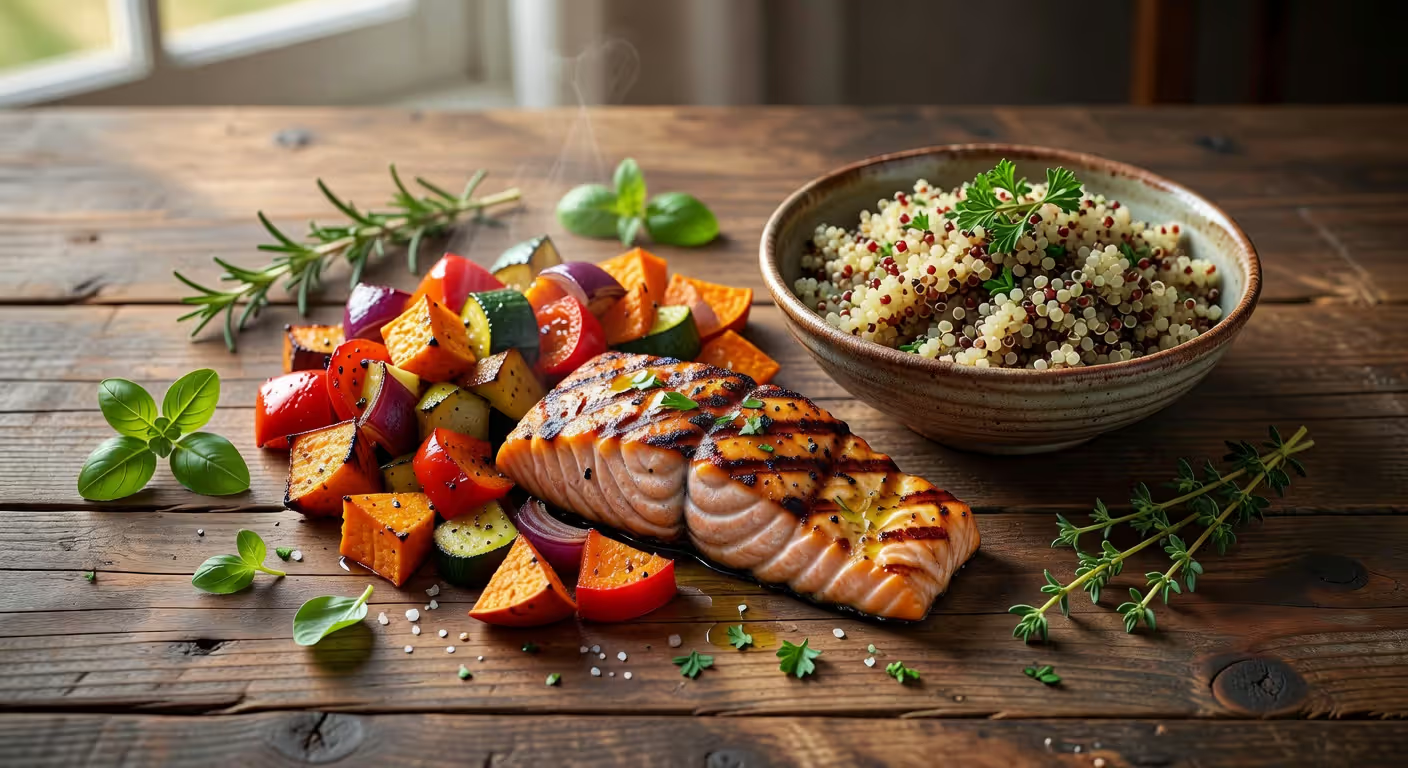
Last night's leftover salmon with sautéed greens and sweet potato
Lunch combinations:
Grilled chicken salad with chickpeas, mixed greens, and olive oil dressing
Lentil soup paired with cottage cheese and whole grain crackers
Turkey avocado wrap using a sprouted grain tortilla
Dinner templates:
Grass-fed beef stir-fry with broccoli and quinoa
Baked cod with roasted Brussels sprouts and wild rice
Tempeh curry with cauliflower rice and spinach
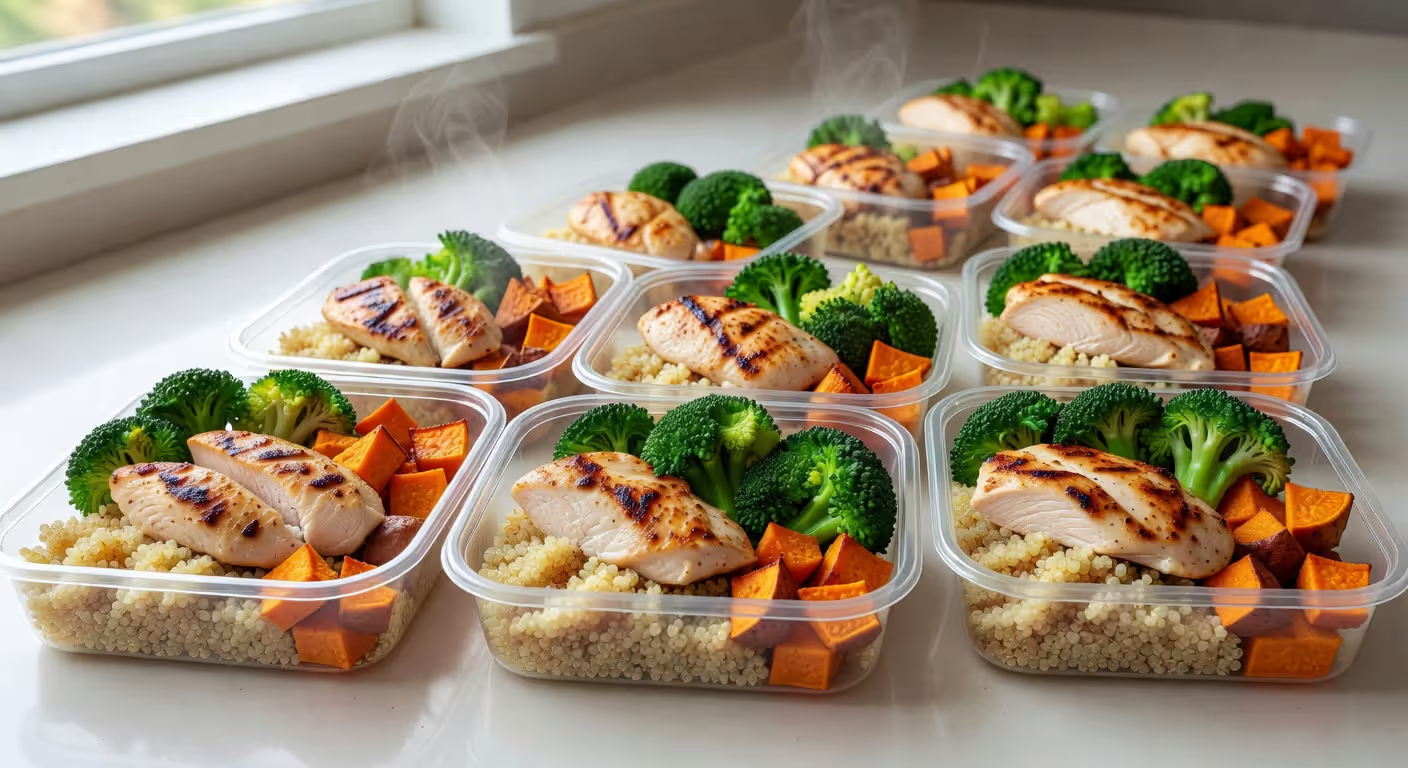
Batch cooking protein sources saves substantial time. Grill several chicken breasts, hard-boil a dozen eggs, or prepare a large batch of lentils on Sunday. You'll have ready-to-eat protein for quick meals throughout the week.
Combine incomplete plant proteins naturally. Traditional food pairings like beans with rice, hummus with whole wheat pita, or peanut butter on whole grain bread exist because they work nutritionally.
Don't forget protein-rich snacks between meals: hard-boiled eggs, Greek yogurt, edamame, nuts, or jerky made without added sugars and nitrates.
Perfection isn't the goal. Consistency with high-quality sources most of the time is what matters.
Protein quality determines how well your body can utilize the amino acids you consume. You can meet protein targets with ultra-processed sources and still experience deficiencies in functional outcomes like muscle maintenance, immune response, and metabolic health. The source matters as much as the quantity.
FAQ: Clean Proteins Questions Answered
What's the difference between clean protein and regular protein?
Clean proteins come from minimally processed whole food sources without artificial additives, hormones, or unnecessary chemical compounds. Regular protein might show identical gram counts but often includes fillers, synthetic sweeteners, emulsifiers, and comes from animals raised in confined operations using antibiotics and growth hormones. The amino acid content looks similar on paper, but the overall nutritional profile differs substantially. Clean proteins deliver complementary nutrients and better bioavailability.
Do I need complete proteins at every meal?
No, you don't need complete proteins at each individual meal. Your body maintains an amino acid pool, combining amino acids from various foods you eat throughout the day. Consuming diverse protein sources across your meals ensures you receive all essential amino acids. Complete proteins do offer convenience—one serving provides everything your body needs without strategic food pairing, which simplifies meal planning for people with higher protein requirements.
Is organic protein always cleaner?
Not automatically. Organic certification means the protein source didn't receive synthetic pesticides, antibiotics, or GMO feed, which has value. But organic doesn't guarantee minimal processing or absence of additives in packaged products. An organic protein bar can still feature artificial flavors, excessive sweeteners, and long ingredient lists. For whole foods like chicken or eggs, organic typically signals cleaner sourcing. For packaged proteins, you still need to scrutinize ingredient labels.
Can I get enough clean protein on a plant-based diet?
Absolutely. Plant-based eaters can meet protein requirements through combinations of legumes, whole grains, nuts, seeds, and soy products like tempeh and edamame. The key involves eating sufficient total calories and including protein-rich plants at most meals. Quinoa, buckwheat, and soy provide complete proteins. Combining complementary proteins like rice with beans throughout the day ensures you get all essential amino acids. Athletes and people with very high protein demands might need additional planning, but it's completely achievable.
How much protein do I actually need per day?
The RDA sits at 0.8g per kilogram of body weight, which prevents deficiency but isn't optimal for most people. Active individuals, athletes, and older adults benefit from 1.2-2.0g per kilogram. A 150-pound person (68kg) would target roughly 82-136g daily depending on activity level and goals. Muscle building pushes toward the upper range. Needs vary based on age, activity, metabolic health, and whether you're pursuing fat loss or muscle gain. Distributing intake across meals produces better results than concentrating it at dinner.
Are protein bars considered clean protein sources?
Most aren't. The majority of protein bars contain protein isolates, multiple sweeteners, emulsifiers, preservatives, and artificial flavors. They're ultra-processed foods engineered for shelf stability and taste appeal, not nutritional purity. A few brands make cleaner versions with short ingredient lists using whole food proteins like nuts, seeds, and egg whites with minimal additives. Read labels carefully. If you can't pronounce most ingredients or the list exceeds eight items, it probably doesn't qualify as clean. Protein bars work for occasional convenience, not as daily staples replacing whole food sources.
Choosing clean proteins doesn't require perfection or unlimited budgets. It requires awareness about what you're eating and preferring whole foods over highly processed alternatives most of the time. Start by upgrading one protein source—swap conventional eggs for pasture-raised, or replace that flavored protein powder with plain Greek yogurt. Small consistent improvements compound into substantially better nutrition over time.