Walk into any dermatologist's office and ask about their top skincare recommendations. Vitamin C will be on that list. Not because it's trendy, but because decades of clinical research prove it works.
Here's the catch: buying a vitamin C serum doesn't guarantee results. The formula needs to be stable. Your application technique matters. Even the bottle design affects whether the product will work or turn into an expensive orange liquid before you finish it.
Most people waste money on vitamin C products that never had a chance of working. They choose the wrong type for their skin. They store it incorrectly. They apply it at the wrong step in their routine. Then they conclude vitamin C doesn't work for them.
The truth is simpler: vitamin C for skin delivers measurable benefits when you understand what you're doing. Let's cut through the marketing noise and focus on what actually matters.
How Vitamin C Benefits Your Skin
Five mechanisms explain why dermatologists recommend vitamin C for nearly every skin concern.
Start with antioxidant defense. Your skin battles environmental aggressors constantly—ultraviolet radiation, airborne pollutants, cigarette smoke, even the blue light from your devices. These stressors generate reactive oxygen species that attack cellular components, breaking down proteins and lipids. Ascorbic acid intercepts these destructive molecules, sacrificing itself to prevent cellular damage. Picture it as a bodyguard that takes the hit meant for your cells.
The collagen story runs deeper than most realize. Your fibroblasts—the cells that manufacture collagen—cannot complete the process without ascorbic acid. It serves as an essential helper molecule for prolyl hydroxylase and lysyl hydroxylase, the enzymes that stabilize collagen's triple-helix structure. Without adequate vitamin C, your body produces defective collagen that falls apart. Clinical studies document that applying concentrated ascorbic acid to aging skin increases collagen gene expression and protein synthesis within twelve weeks.
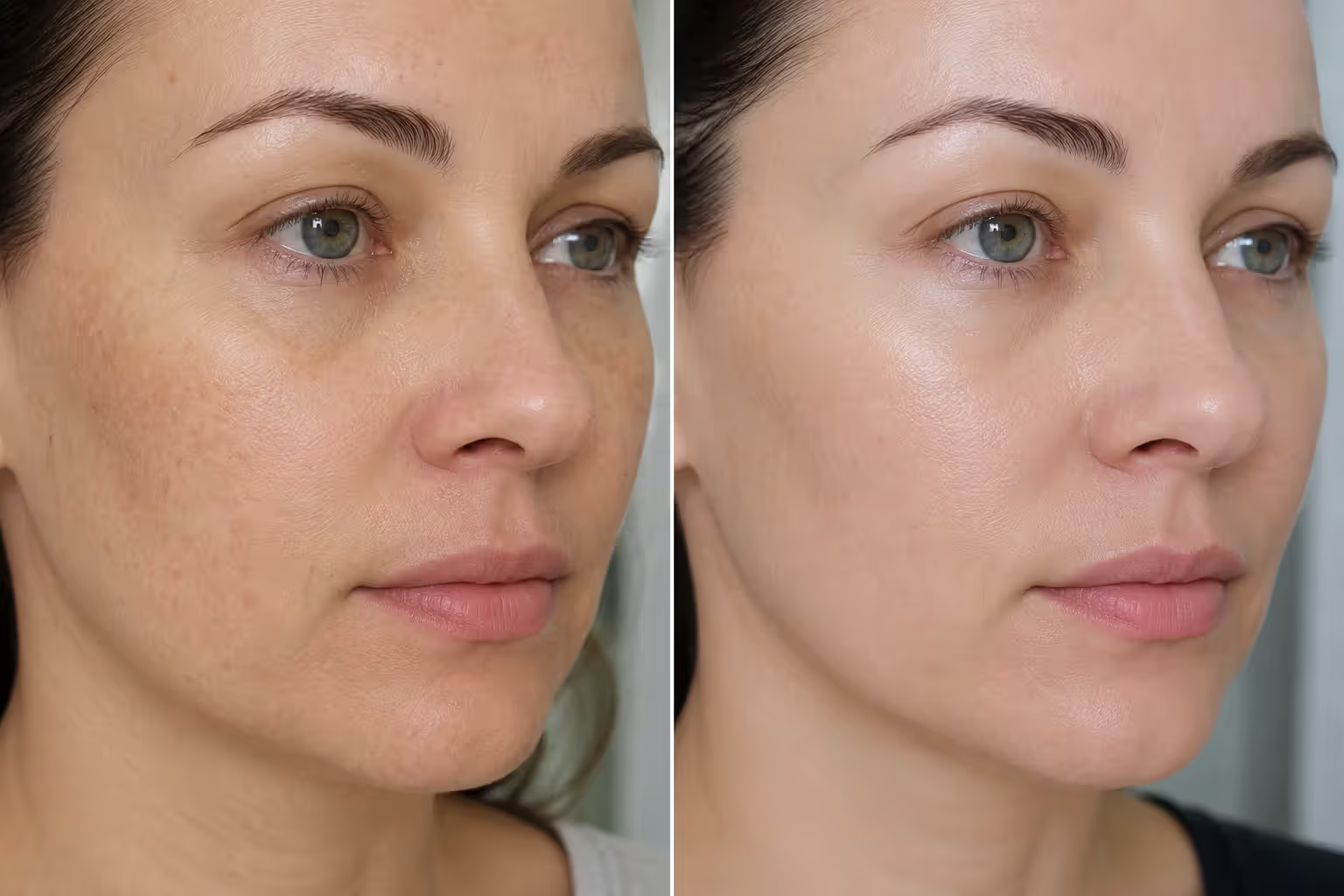
For pigmentation control, vitamin C interferes with tyrosinase activity—the rate-limiting enzyme in melanin synthesis. This doesn't bleach existing pigment; rather, it prevents new excess melanin formation. People dealing with sunspots, melasma, or post-acne marks typically notice visible fading after four to six weeks of daily application. The effect is corrective, not destructive.
Sun damage protection deserves clarification. Vitamin C won't replace your sunscreen, but it does something sunscreen cannot: it continues protecting your skin after UV exposure occurs. It reduces inflammatory markers triggered by ultraviolet radiation and helps repair oxidative damage to cellular DNA. When layered beneath broad-spectrum SPF, it significantly enhances your photoprotection strategy.
The anti-aging benefits extend beyond collagen. Regular application improves skin texture, reduces wrinkle depth, and maintains elasticity. A 2025 clinical trial tracked participants using 15% L-ascorbic acid formulations for eight weeks. Profilometry measurements showed quantifiable improvements in surface smoothness and optical radiance compared to placebo controls.
The combination of vitamin C and E creates a synergistic antioxidant network that's significantly more effective than either vitamin alone. Vitamin C regenerates oxidized vitamin E, essentially recycling it for continued protection. This is why we see better photoprotection and anti-aging outcomes when both are formulated together.
Different Forms of Vitamin C in Skincare Products
The molecular form determines everything: stability, penetration depth, irritation potential, and clinical effectiveness.
L-ascorbic acid represents pure vitamin C—the form with the strongest research foundation. It penetrates the stratum corneum efficiently and delivers the full range of benefits discussed above. The downside? It's chemically unstable. Exposure to oxygen, light, or water triggers oxidation, turning your serum yellow, then orange, then brown. It also requires an acidic environment (pH between 2.5 and 3.5) to penetrate skin effectively, which can irritate sensitive individuals. Store it properly or watch your money oxidize.
Sodium ascorbyl phosphate offers a stability advantage. This water-soluble derivative resists oxidation far better than pure ascorbic acid and functions at a neutral pH. Your skin must enzymatically convert it to active vitamin C, and that conversion isn't 100% efficient—meaning you sacrifice some potency for the improved stability. The trade-off makes sense for sensitive or acne-prone skin types. Bonus: it demonstrates mild antibacterial activity against Propionibacterium acnes.
Magnesium ascorbyl phosphate takes a similar approach with different benefits. It's exceptionally gentle, provides hydration, and excels at addressing uneven pigmentation. The conversion requirement means slower, gentler action. Dermatologists frequently recommend this derivative for rosacea patients who cannot tolerate the acidity of L-ascorbic acid.
Ascorbyl palmitate is fat-soluble, making it ideal for cream and lotion formulations. It's the most stable form you'll encounter, but also the weakest in terms of antioxidant punch. You'll typically find it in moisturizers as a supporting ingredient rather than the star of a treatment serum.
Vitamin C Form
Stability Level
Best for Skin Type
Typical Concentration
pH Level
L-Ascorbic Acid
Unstable (degrades rapidly)
Normal to oily, resilient skin
10–20%
2.5–3.5
Sodium Ascorbyl Phosphate
Highly stable
Sensitive or acne-prone skin
3–5%
6.0–7.0
Magnesium Ascorbyl Phosphate
Highly stable
Dry, sensitive, or rosacea-prone
10–15%
6.0–7.0
Ascorbyl Palmitate
Extremely stable
All skin types (in creams)
1–3%
5.0–7.0
Here's what I observe repeatedly: people purchase high-potency L-ascorbic acid serums, leave them on their bathroom counter in clear bottles, and wonder why they stop working after three weeks. If you choose pure ascorbic acid, commit to proper storage—cool, dark, airtight—and finish the bottle within ninety days of opening.
How to Use Vitamin C on Your Skin Correctly
Application technique determines whether you'll see results or waste your product.
Begin with freshly cleansed, completely dry skin. Vitamin C penetrates best when nothing blocks its path. If you use a toner, wait until it fully evaporates before applying your vitamin C treatment. Most dermatologists suggest waiting sixty seconds for absorption before layering your next product.
Concentration requires a balanced approach. Higher percentages don't automatically mean better results. For L-ascorbic acid, research shows efficacy peaks around 20%—concentrations above this increase irritation risk without improving outcomes. If you're new to topical vitamin C, begin at 5–10% and gradually increase as your skin adapts.
Frequency depends on your skin's tolerance and the formula's potency. Most people achieve optimal results with daily application. If you're using a strong L-ascorbic acid product, starting with every-other-day application helps your skin acclimate. Stable derivatives generally tolerate daily use from day one.
Layering order follows basic chemistry. Apply vitamin C before heavier serums and moisturizers but after any pH-dependent acids. The old advice about separating vitamin C and niacinamide stems from outdated formulation issues—modern products handle this combination better, but if you want to play it safe, alternate them between morning and evening routines.
Common Mistakes When Applying Vitamin C
The most expensive mistake? Using oxidized product. Once your serum changes color, the ascorbic acid has degraded into compounds that won't benefit your skin and may cause irritation. Toss it and start fresh.
Second error: applying to damp skin. Residual water dilutes your serum and alters its pH, compromising penetration and effectiveness. Pat your face completely dry before application.
Third pitfall: skipping sunscreen afterward. Vitamin C enhances photoprotection but doesn't provide it independently. During daytime use, always layer SPF 30 or higher over your vitamin C treatment.
Fourth mistake: combining it with benzoyl peroxide or applying it immediately before retinol. These combinations either destabilize the vitamin C or trigger unnecessary irritation. Separate them—vitamin C in your morning routine, retinol in your evening routine works well for most people.
Best Time of Day to Apply Vitamin C
Morning application makes the most sense for most people. The antioxidant protection matters most during waking hours when you're exposed to UV radiation, pollution, and other environmental stressors. Layering it beneath sunscreen creates a powerful defensive strategy against photoaging.
That said, nighttime application works perfectly fine, particularly if your primary goals involve brightening and collagen stimulation. Some people with resilient skin apply it twice daily if their skin tolerates the frequency.
The non-negotiable factor is consistency. Daily application—morning, evening, or both—delivers superior results compared to sporadic use, regardless of which time slot you choose.
Vitamin C and Vitamin E Together for Skin Protection
The partnership between these two vitamins demonstrates elegant biochemistry in action.
Both function as antioxidants, but they operate in different cellular environments. Ascorbic acid dissolves in water, protecting the cytoplasm and aqueous cellular compartments. Tocopherol (vitamin E) dissolves in fat, defending lipid-rich cell membranes and sebum. Together, they provide comprehensive antioxidant coverage across all cellular environments.
The interaction goes beyond simple addition. After tocopherol neutralizes a free radical, it becomes oxidized—essentially spent. Ascorbic acid can reduce that oxidized tocopherol back to its active form, extending its functional lifespan. This regeneration cycle means both vitamins work longer and harder when formulated together.
Clinical evidence supports this synergy. Research demonstrates that combining vitamins C and E provides four-fold greater protection against UV-induced damage compared to either vitamin used alone. Additional studies show the combination reduces photoaging markers more effectively than single-vitamin treatments.
Dermatologists routinely prescribe this duo for patients concerned about environmental aging, sun damage, or oxidative stress. Many premium serums combine both vitamins, often adding ferulic acid as a third antioxidant that stabilizes the other two.
If purchasing separate products, apply your vitamin C serum first, followed by a vitamin E-rich moisturizer or facial oil. Alternatively, seek formulations that combine them—manufacturers can optimize the pH and stability when formulating both together.
Other Essential Vitamins for Skin Health
Vitamin C works best as part of a complete nutritional strategy for your skin.
Vitamin A derivatives (retinoids) rank alongside vitamin C as the most evidence-backed anti-aging ingredients. They accelerate cell turnover, stimulate collagen synthesis, and treat acne. Retinol and prescription tretinoin have decades of research supporting their effectiveness. The classic approach pairs vitamin C in morning routines with retinol at night, avoiding potential irritation while maximizing benefits.
Vitamin B3 (niacinamide) strengthens the skin barrier, calms inflammation, and minimizes pore appearance. It's gentle enough for sensitive skin and compatible with most other actives. Recent research confirms its efficacy for hyperpigmentation and fine line reduction. Concentrations between 5–10% demonstrate optimal results for most users.
Vitamin D synthesis occurs in skin during sun exposure, yet many people remain deficient. While topical vitamin D formulations are uncommon in skincare, maintaining adequate levels through diet or supplementation supports immune function and wound healing. Research links vitamin D deficiency to various dermatological conditions including atopic dermatitis and psoriasis.
Vitamin K addresses vascular issues like bruising and dark circles. You'll find it concentrated in eye creams, where it helps reduce the appearance of under-eye darkness caused by visible capillaries.
From a skin health nutrition perspective, dietary intake matters alongside topical application. Vitamin C-rich foods—citrus fruits, strawberries, bell peppers—support skin health systemically. The same applies to vitamin E (almonds, sunflower seeds, spinach) and vitamin A (sweet potatoes, carrots, kale).
Here's the reality: topical application delivers concentrated doses directly to skin cells at levels impossible to achieve through diet alone. The optimal strategy combines both approaches—nourish your skin from within and without.
Who Should Use Vitamin C for Skin and Who Should Avoid It
Nearly everyone benefits from vitamin C, but the optimal form and concentration vary by individual.
Ideal candidates include anyone dealing with photodamage, hyperpigmentation, fine lines, dull complexion, or uneven texture. If you're over thirty and concerned about visible aging, vitamin C deserves a place in your routine. People with acne scarring or post-inflammatory hyperpigmentation often see dramatic improvements.
Sensitive skin types can absolutely use vitamin C—they just need strategic product selection. Stable derivatives like sodium ascorbyl phosphate or magnesium ascorbyl phosphate cause far less irritation than pure L-ascorbic acid. Begin with lower concentrations and increase gradually as tolerance builds.
Oily and acne-prone skin generally tolerates vitamin C well. Certain forms, particularly sodium ascorbyl phosphate, may even help reduce inflammatory acne lesions.
Dry skin responds well to vitamin C, especially when formulated with hydrating ingredients like hyaluronic acid or glycerin. Seek serums that include humectants to counteract any potential drying effects from the active ingredient.
Who needs caution? People with very sensitive skin, active rosacea, or eczema should patch test thoroughly and consider starting with a stable derivative at low concentration. If you're experiencing a rosacea flare, wait for your skin to calm before introducing new actives.
Patch testing isn't optional—it's essential. Apply a small amount to your inner forearm or behind your ear for three consecutive days. If no redness, itching, or irritation develops, facial application is likely safe.
True contraindications are rare. If you have a documented allergy to ascorbic acid (extremely uncommon) or have experienced severe reactions to it previously, avoid vitamin C products. If you're undergoing specific dermatological treatments or procedures, consult your dermatologist about appropriate timing for introducing vitamin C.
The practical approach: if you feel overwhelmed by choices, select a stable derivative at moderate concentration and use it consistently for at least eight weeks before evaluating results.
Frequently Asked Questions About Vitamin C for Skin
Can I use vitamin C serum every day?
Absolutely—daily application is actually ideal for most users. Antioxidant protection works best when maintained consistently, not sporadically. If you've chosen a potent L-ascorbic acid formula (15% or higher), your skin might appreciate starting with every-other-day application for the first week while it adjusts. Stable derivatives like sodium ascorbyl phosphate are typically gentle enough for twice-daily use if desired. Pay attention to how your skin responds—if you notice irritation, reduce frequency to every other day or switch to a gentler derivative.
Does vitamin C lighten skin permanently?
No, vitamin C doesn't permanently alter your natural skin color. What it does accomplish is fading hyperpigmentation and dark spots by preventing excess melanin formation. This means it evens out discoloration from sun damage, acne scars, or melasma, revealing your true baseline complexion. Once you discontinue use, your skin won't darken beyond its natural tone, but the brightening effects will gradually fade. Consistent application is necessary to maintain pigmentation control. Think of it as ongoing pigmentation management rather than permanent skin lightening.
Should I refrigerate my vitamin C products?
This depends entirely on the formulation. L-ascorbic acid serums benefit significantly from refrigeration because cooler temperatures slow the oxidation process. If your serum is clear when you purchase it and you want to maintain that clarity longer, refrigerate it. Stable derivatives like sodium ascorbyl phosphate don't require refrigeration—room temperature storage works fine. Regardless of form, keep all vitamin C products away from direct sunlight and heat sources. Many manufacturers now package products in airless pumps or opaque bottles to extend stability. If your product arrived in amber or opaque packaging, the brand has already addressed light-related degradation.
Can vitamin C cause skin purging or breakouts?
Vitamin C doesn't trigger purging because it doesn't accelerate cell turnover the way retinoids or chemical exfoliants do. However, some people do experience breakouts when introducing vitamin C, and several explanations exist. First, you might be reacting to additional ingredients in the formula—silicones, certain oils, or preservatives can clog pores in susceptible individuals. Second, if the pH is very acidic (typical with L-ascorbic acid formulations), it might irritate your skin, manifesting as acne-like bumps. Third, if you're applying an oxidized product, it can cause inflammatory reactions that resemble breakouts. If acne develops, try switching to a different vitamin C derivative or a different brand with a minimal ingredient list.
How long does it take to see results from vitamin C?
Timeline varies depending on your specific concern. For general radiance and glow, you might notice subtle improvements within two to three weeks. Hyperpigmentation and dark spots require more patience—typically four to eight weeks of consistent daily application before visible fading occurs. Anti-aging benefits like improved texture and reduced fine lines require at least eight to twelve weeks, sometimes longer. Collagen synthesis is inherently slow. The critical factor is consistency—irregular application won't produce results. Take progress photos every four weeks because changes happen gradually, and you might not perceive day-to-day improvements when looking in the mirror.
Is vitamin C safe during pregnancy?
Yes, topical vitamin C is generally regarded as safe during pregnancy and while breastfeeding. It's a water-soluble vitamin your body uses naturally, and topical application doesn't carry the same concerns as certain other ingredients like retinoids or hydroquinone. That said, pregnancy often increases skin sensitivity, so you might react to products you previously tolerated without issue. Begin with a gentle formulation and perform a patch test first. If you have specific concerns or are using prescription skincare products, consult your dermatologist or obstetrician. They understand your individual situation and can provide personalized guidance.
Vitamin C has earned its place as a cornerstone ingredient in evidence-based skincare. It's one of the few actives with decades of rigorous research confirming its effectiveness. Whether you're addressing photodamage, fading hyperpigmentation, or simply pursuing healthier-looking skin, a properly formulated vitamin C product can deliver measurable results. Select the appropriate form for your skin type, apply it consistently, and allow adequate time for results to develop. Your skin will show the difference.