Pregnancy changes everything about how you think about your health. What you eat, how you move, what supplements you take—it all matters more now. And one of the first things your doctor will mention? Prenatal vitamins.
These specialized formulations aren't simply repackaged multivitamins with a pregnancy label slapped on. They're engineered with specific nutrient ratios that match what your body demands when building another human being. The gap between what you'd get from a standard daily vitamin and what a quality prenatal provides can be dramatic—particularly for nutrients like folate, iron, and DHA that directly influence how your baby develops.
Most women start researching pregnancy supplements the moment they see a positive test. But the smartest approach? Begin earlier. Those crucial first weeks of pregnancy—sometimes before you've missed a period—represent a window when foundational development occurs. Understanding exactly what goes into your prenatal and the science behind each ingredient puts you in control of one of pregnancy's most important health decisions.
What Are Prenatal Vitamins and Why Do You Need Them
These supplements serve as nutritional insurance policies, bridging the gap between what you eat and what pregnancy actually demands from your body.
When you're pregnant, your nutritional requirements don't just increase—they transform. You're manufacturing a placenta, pumping 50% more blood through your system, and constructing every cell of a developing baby. Meeting those needs through diet alone, even a meticulously planned one, borders on impossible for most women.
Morning sickness complicates things further. Food aversions, nausea, and the sheer volume of nutrients required make supplements to take while pregnant less optional and more essential. They won't substitute for whole foods, but they guarantee baseline protection against deficiencies that could derail development.
What separates these from the multivitamin sitting in your medicine cabinet? Formulation specifics matter enormously. Pregnancy supplements deliver substantially higher quantities of folic acid, iron, and calcium while deliberately limiting or excluding nutrients that pose risks during pregnancy—like preformed vitamin A (retinol), which at elevated levels has been linked to birth defects.
I've watched too many women assume any decent multivitamin will cover their bases. It won't. The precise amounts become critical, especially during that first trimester when neural tube formation happens at lightning speed.
Key Nutrients in Prenatal Vitamins
Quality varies wildly across brands. Understanding which nutrients matter most—and in what quantities—helps you separate marketing from substance.
This breakdown shows the essential components of solid prenatal nutrition and their roles in supporting healthy pregnancy:
Nutrient
Daily Recommended Amount
Why It Matters
Food Sources
Folate/Folic Acid
600-800 mcg
Critical for preventing neural tube defects; enables proper cell division and DNA formation
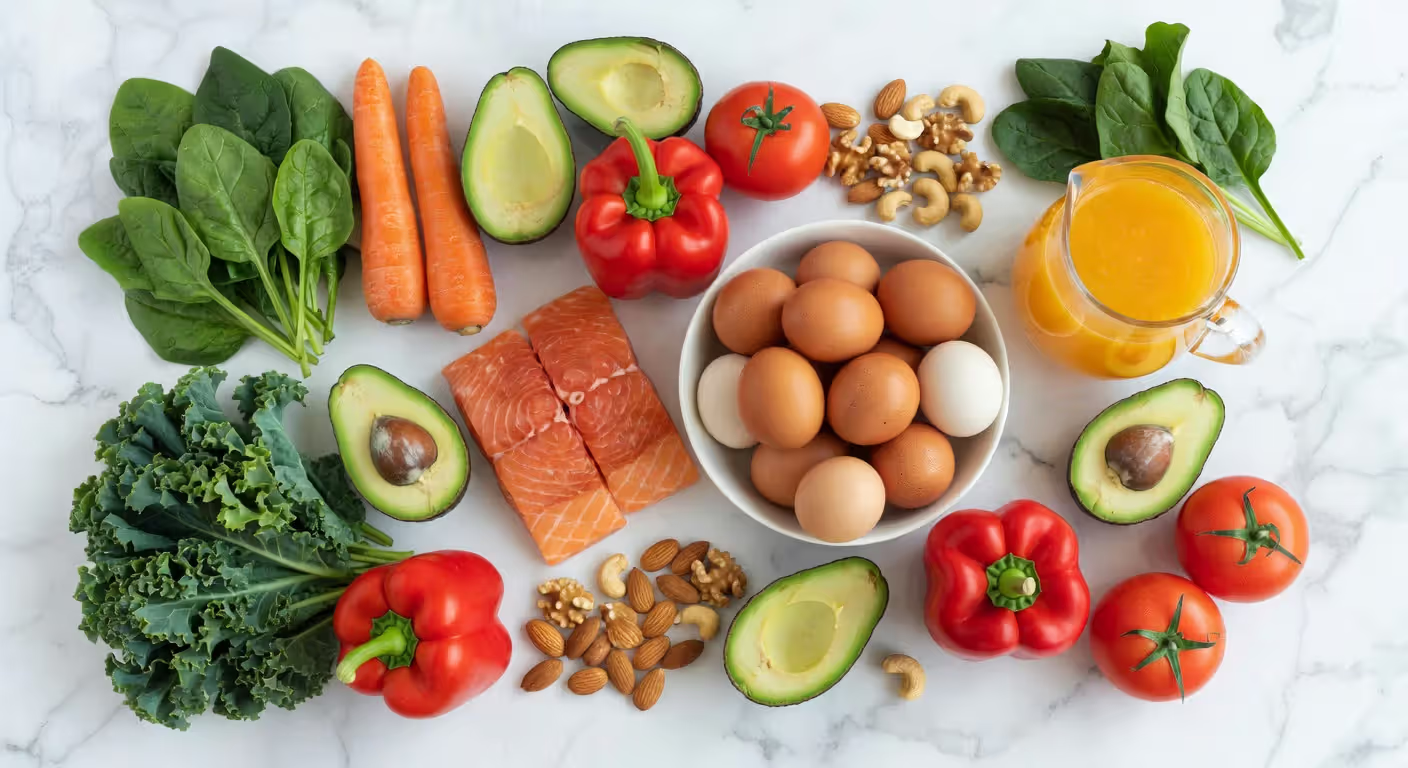
Dark leafy vegetables, fortified breakfast cereals, legumes, citrus fruits
Iron
27 mg
Guards against anemia; essential for expanded blood volume and delivering oxygen to developing baby
Lean red meat, dark poultry, beans, iron-fortified grains
Calcium
1,000 mg
Constructs baby's skeletal system and teeth; protects maternal bone density
Dairy products, calcium-fortified plant milks, dark leafy greens, canned fish with bones
DHA (Omega-3)
200-300 mg
Crucial for neurological development and vision formation
Enables calcium utilization; supports immune system function
Direct sunlight exposure, vitamin D-fortified dairy, salmon and mackerel
Iodine
220 mcg
Powers thyroid function and cognitive development
Iodized table salt, dairy products, ocean fish
Folate vs Folic Acid: Understanding the Difference
The terminology trips up nearly everyone. These represent two versions of vitamin B9, but they function differently in your body.
Folate appears naturally in whole foods. Your system recognizes and utilizes it immediately without modification. Folic acid represents the laboratory-created version that manufacturers add to supplements and enriched foods. Before your body can deploy it, enzymes must transform it into methylfolate—the biologically active form.
This conversion works smoothly for many women. But research suggests anywhere from one-quarter to more than half the population carries genetic variations (specifically MTHFR polymorphisms) that slow this transformation significantly. For these women, prenatal vitamins with folate already in methylated form (listed as methylfolate or L-5-methyltetrahydrofolate) bypass the conversion bottleneck entirely.
The encouraging development? More prenatal vitamins with folate now feature this methylated version as standard. Production costs run higher, but the formulation works universally regardless of your genetic makeup.
How Much Folic Acid Do You Need During Pregnancy
Standard guidance calls for 600 mcg daily throughout pregnancy. Many quality prenatal vitamins folic acid formulations provide 800 mcg, building in a safety margin.
Certain situations demand significantly more. Women who've previously delivered a baby affected by spina bifida or anencephaly typically receive prescriptions for 4,000 mcg (4 mg) daily—roughly five times the standard dose and far beyond what over-the-counter options provide.
Medical conditions including diabetes or epilepsy managed with particular anticonvulsants may also warrant higher doses. These decisions require conversation with your healthcare provider ideally before conception begins.
The timing element can't be overstated. Folic acid provides maximum protection during the first four weeks post-conception, precisely when neural tube closure occurs. Since roughly half of pregnancies are unplanned and many women don't confirm pregnancy until after this critical window, beginning prenatal vitamins folic acid supplementation during your reproductive years—regardless of immediate pregnancy plans—offers the safest approach.
When to Start Taking Prenatal Vitamins
Here's the straightforward answer: Start before conception happens.
The optimal timeline means beginning supplements to take while pregnant a full three months before you start trying. This runway allows your body to establish robust nutrient reserves, especially for folate which accumulates gradually in tissues.
The neural tube closes by day 28 after conception, often before a woman realizes she's pregnant. Starting prenatal vitamins with adequate folate at least one month before conception can reduce the risk of neural tube defects by up to 70%. This is one of the most preventable birth defects we know of, which makes preconception supplementation one of the simplest and most effective interventions in prenatal care.
Already pregnant without having started? Take a breath. Begin immediately—today, not tomorrow. Your baby benefits from proper nutrition at every stage, and starting now still provides meaningful advantages.
Maintain your prenatal regimen throughout all nine months and continue through breastfeeding. Lactation creates its own elevated nutritional demands, and depleting your reserves leaves you vulnerable to exhaustion and increases postpartum mood disorder risk.
Some new mothers abandon their prenatal the day they deliver, assuming their job is finished. But breastfeeding mothers still nourish their babies—now through milk instead of placenta. Critical nutrients including DHA, iodine, and vitamin D transfer through breast milk and remain vital for infant development during those early months.
How to Choose the Right Prenatal Vitamin
Step into any pharmacy's supplement aisle and you'll confront dozens of options. Prescription formulations, over-the-counter brands, gummies, capsules, liquids, powders—the choices paralyze.
Start by examining labels for these baseline levels: 600-800 mcg folate, 27 mg iron, 200 mg DHA, 1,000 mg calcium (recognizing you'll likely need additional calcium from diet or separate supplementation), and 600 IU vitamin D minimum.
Nutrient forms matter as much as quantities. Seek out prenatal vitamins with folate provided as methylfolate when possible. For iron, ferrous bisglycinate chelate typically causes less digestive distress than ferrous sulfate. Vitamin D should appear as D3 (cholecalciferol) rather than D2 (ergocalciferol), since D3 raises blood levels more effectively.
Third-party verification provides peace of mind. Certifications from USP, NSF International, or ConsumerLab confirm that bottles actually contain what labels claim and that products meet purity standards for heavy metals and contaminants.
Prescription versus over-the-counter? For most healthy women, OTC prenatal vitamins deliver everything necessary at lower cost. Prescription versions may provide higher nutrient doses, specialized formulations engineered for better absorption, or ingredients that minimize side effects. Insurance coverage sometimes makes prescription options cheaper despite higher retail pricing—worth investigating if cost concerns you.
Dietary restrictions require extra attention. Vegetarian and vegan women need to scrutinize iron, B12, and DHA content carefully. Many capsules use gelatin derived from animal sources, though vegetarian alternatives exist. Most prenatal DHA comes from fish oil, but algae-based versions work identically well for plant-based diets.
Common Mistakes When Taking Pregnancy Supplements
Good intentions don't guarantee good execution. These missteps happen frequently, even among conscientious women.
Swallowing your prenatal on an empty stomach practically guarantees nausea. Iron particularly irritates stomach lining when nothing else is present. Pair your supplement with meals—ideally ones containing some fat, which helps your body absorb fat-soluble vitamins like A, D, E, and K.
Inconsistent dosing undermines the entire strategy. Your body can't stockpile most water-soluble vitamins (B-complex and C) for extended periods. Skipping days creates gaps in protection during developmental windows where every day counts.
Taking double doses to "make up" for missed days doesn't work and risks harm. Certain nutrients become toxic at excessive levels. Vitamin A overdose, for instance, causes serious birth defects. Stick with single daily doses unless your physician explicitly directs otherwise.
Overlooking interactions between supplements and medications causes problems more often than you'd expect. Calcium blocks iron absorption—the reason some women need to separate these by several hours. Thyroid medication requires spacing several hours away from prenatal vitamins. Compile a complete list of everything you take—prescription, over-the-counter, and supplements—and review it with both your doctor and pharmacist.
Failing to verify adequate folate content catches women off-guard. Some formulations, particularly gummy versions, contain less folic acid than recommended guidelines. Scrutinize the supplement facts panel. Gummy prenatal vitamins frequently omit iron entirely (it tastes horrible and destabilizes gummy formulations) and sometimes short-change folate as well.
Side Effects and How to Manage Them
Prenatal vitamins safeguard your health and your baby's development, but they can make you feel miserable. Iron causes most complaints.
Nausea affects many women, compounding first-trimester morning sickness. The substantial iron content in pregnancy supplements typically triggers this. Switch to nighttime dosing—take your prenatal right before bed and sleep through the queasiness. Alternatively, pair it with a ginger-containing snack, since ginger settles upset stomachs.
Constipation ranks as another frequent complaint. Iron again deserves blame. Dramatically increase water consumption—target a minimum of ten 8-ounce glasses daily. Load up on fiber from produce and whole grains. When dietary changes prove insufficient, discuss switching to formulations featuring gentler iron forms or reduced iron content with your doctor.
Metallic taste lingers for some women, especially with iron-rich formulations. Sugar-free gum or citrus-flavored candies mask the taste effectively. Taking your vitamin alongside orange juice serves double duty—the vitamin C enhances iron absorption while citrus flavor covers metallic notes.
When side effects become intolerable, don't just quit. Discuss alternatives with your healthcare provider. Options include switching brands, trying liquid or gummy formats (while watching for missing nutrients), or dividing your daily dose between morning and evening.
What works beautifully for one woman might be unbearable for another. Expect some experimentation before finding your ideal match. That's completely normal and worth the effort.
FAQ: Prenatal Vitamins and Pregnancy Supplements Questions Answered
Can I take regular vitamins instead of prenatal vitamins?
Standard multivitamins fall short during pregnancy in critical ways. They don't provide sufficient folic acid, iron, or calcium to meet pregnancy's demands. Additionally, they may contain nutrients at levels inappropriate or potentially dangerous for pregnancy—particularly preformed vitamin A (retinol), which at high doses has been associated with birth defects. A typical adult multivitamin delivers around 400 mcg of folic acid when you need at least 600 mcg during pregnancy. Iron content usually maxes out around 18 mg versus the 27 mg pregnancy requires. Prenatal formulations are purpose-built to align with pregnancy's unique nutritional landscape.
What's the difference between folate and folic acid in prenatal vitamins?
These terms describe two distinct forms of vitamin B9. Folate occurs naturally in whole foods like leafy greens and legumes. Folic acid is the synthetic laboratory version added to supplements and fortified products. The key distinction lies in bioavailability: your body must enzymatically convert folic acid into methylfolate (the active form) before using it. Genetic variations affecting the MTHFR gene can impair this conversion in a substantial portion of the population. Prenatal vitamins containing pre-methylated folate (labeled as methylfolate or L-5-MTHF) deliver the already-active form, eliminating conversion requirements. Both prevent neural tube defects effectively in most women, but methylfolate offers advantages for those with conversion difficulties.
When should I start taking prenatal vitamins if I'm trying to conceive?
Begin prenatal supplementation one to three months before actively trying to get pregnant. Neural tube formation occurs during the first 28 days following conception—frequently before you've confirmed pregnancy. Establishing robust folate stores beforehand provides optimal protection against neural tube defects like spina bifida. If you're currently trying to conceive, start immediately rather than waiting. Even if conception takes months, you're investing in overall health and preparing your body optimally. There's zero downside to early initiation.
Do I need a prescription for prenatal vitamins?
The majority of healthy pregnant women don't require prescriptions. Over-the-counter prenatal vitamins contain appropriate nutrient levels for typical pregnancies and generally cost less. However, your physician might prescribe specific formulations if you have particular health conditions, documented nutritional deficiencies, or history of pregnancy complications. Prescription options may feature higher doses of select nutrients or specialized formulations engineered to reduce gastrointestinal side effects. Insurance coverage occasionally makes prescription prenatal vitamins more economical than OTC products despite higher sticker prices. Have a conversation with your healthcare provider about which approach suits your individual circumstances.
Can prenatal vitamins make me nauseous?
Absolutely—nausea represents one of the most common prenatal vitamin complaints, particularly with iron-heavy formulations. Timing your dose strategically makes an enormous difference. Try taking it at bedtime so you're asleep during peak queasiness. Never take it on an empty stomach—always pair it with food. A small snack containing some fat improves absorption while reducing stomach irritation. If bedtime dosing with food doesn't resolve the problem, ask your doctor about alternative formulations. Some brands use chelated iron forms that cause fewer digestive issues. Gummy prenatal vitamins typically exclude iron entirely, eliminating that nausea trigger, though you may need separate iron supplementation.
Are gummy prenatal vitamins as effective as pills?
Gummy prenatal vitamins can work well but come with important caveats. Most gummy formulations exclude iron because it tastes unpleasant and creates stability problems in gummy format. Some also deliver lower quantities of other nutrients due to formulation challenges. If you select a gummy prenatal, carefully compare the supplement facts panel against standard pregnancy recommendations. You'll likely need separate iron supplementation to reach the 27 mg daily target. Gummies also contain added sugars and may adhere to teeth, creating dental concerns. That said, consistency trumps perfection—the best prenatal is whichever one you'll take reliably every single day. If gummies are the only format you can tolerate, they're infinitely better than taking nothing.
Selecting the right prenatal vitamin and maintaining consistent supplementation ranks among the simplest yet most impactful actions you can take for your baby's health. Begin before conception when possible, choose a formulation compatible with your body, and don't let initial side effects discourage you from finding the right match. Your future self—and your baby—will be grateful you invested this effort.