Managing your blood sugar doesn't mean giving up the foods you love. It means choosing smarter versions of them. A low glycemic diet plan focuses on foods that won't spike your glucose levels, keeping your energy steady and your body functioning at its best. This approach has helped millions control their weight, prevent diabetes, and feel more energized throughout the day. You're not counting every calorie or eliminating entire food groups—you're simply understanding how different carbohydrates affect your body and making informed choices based on that knowledge.
What Is the Glycemic Index and Why It Matters
Think of the glycemic index (GI) as a measuring system that scores carbohydrate-rich foods from zero to one hundred, showing how rapidly they push your blood glucose upward after a meal. Scientists use pure glucose as their benchmark, assigning it the maximum score of 100. Any food you test gets compared against this standard.
The glycemic index explained in everyday terms looks like this: when you bite into a bagel (scoring around 72), your blood sugar rockets upward within minutes. Your pancreas detects this surge and releases insulin to shuttle that glucose into your cells. Within two hours, you're back where you started—or lower, leaving you hungry again. Now picture eating a bowl of lentils (scoring 32). The glucose trickles into your bloodstream gradually across three to four hours, never creating that dramatic spike.
Foods fall into three ranges: those scoring 55 or less rank as low, scores between 56 and 69 land in the medium zone, and anything 70 or higher counts as high.
Yet this measurement system has limitations that become obvious in real-world eating.
Enter glycemic load, which considers both the carbohydrate quality (reflected in GI) and the actual quantity you consume in a normal serving. The calculation multiplies a food's GI score by the grams of carbohydrate in your portion, then divides the result by 100.
Consider watermelon as a perfect example. Its GI reaches 76, which sounds concerning at first glance. But a standard serving delivers only 11 grams of carbohydrate, creating a glycemic load of merely 8—firmly in the low category. You'd need to consume roughly four cups before significantly affecting your glucose levels.
Glycemic load breaks down into three tiers: values at 10 or lower qualify as low, the 11-19 range represents medium impact, and scores of 20 or higher signal high impact.
Both metrics provide value, though glycemic load delivers more actionable guidance for planning your daily meals. A food might score high on the GI scale yet produce minimal blood sugar impact when eaten in typical amounts.
How Low GI Foods Affect Your Body
Your body doesn't process all carbohydrates the same way. These processing differences create ripple effects throughout your system that extend well beyond the immediate post-meal period.
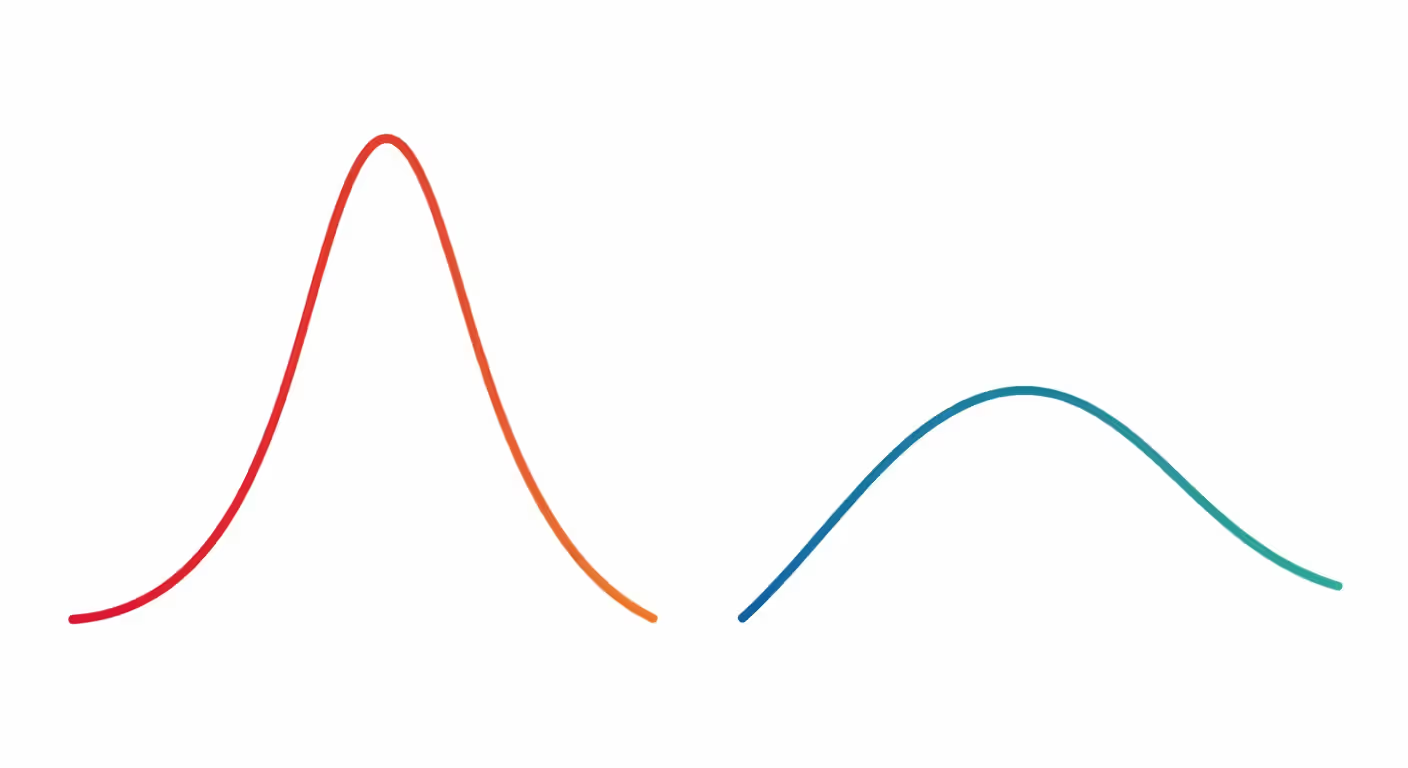
Following a blood sugar diet built around low-GI choices means your glucose climbs slowly and descends at the same measured pace. Your pancreas secretes insulin in controlled amounts instead of emergency bursts. This consistent pattern gradually enhances insulin sensitivity—meaning your cells need less insulin to process the same amount of glucose.
The weight management implications run deep. Elevated insulin tells your body to pack away fat and prevents fat burning simultaneously. Constant insulin surges from high-GI eating keep you locked in storage mode. Low-GI foods maintain lower insulin levels, giving your body permission to tap stored fat between meals.
Patients who switch to a low glycemic approach typically report two changes within the first week: their afternoon energy crashes disappear, and they stop experiencing intense cravings between meals. This isn't willpower—it's stable blood chemistry.
Your energy follows predictable rhythms. High-GI meals trigger that classic surge-and-crash pattern. You feel fantastic for thirty minutes, then desperately hunt for coffee or snacks two hours later. The low gi diet delivers sustained energy across 3-4 hour stretches because glucose enters your bloodstream at the same rate your cells consume it.
Research demonstrates compelling benefits for diabetes prevention. Scientists who tracked over 120,000 participants across twenty years discovered that those consuming the highest glycemic load faced 40% greater type 2 diabetes risk compared to the lowest consumers. The most common pattern shows people reversing prediabetes diagnoses within 6-8 months of switching to low-GI eating.
Your cardiovascular system gains advantages as well. Steady glucose levels reduce oxidative stress and inflammation damaging your blood vessels. Studies document improvements in cholesterol markers, especially increases in protective HDL cholesterol.
Low Glycemic Index Foods to Include in Your Diet
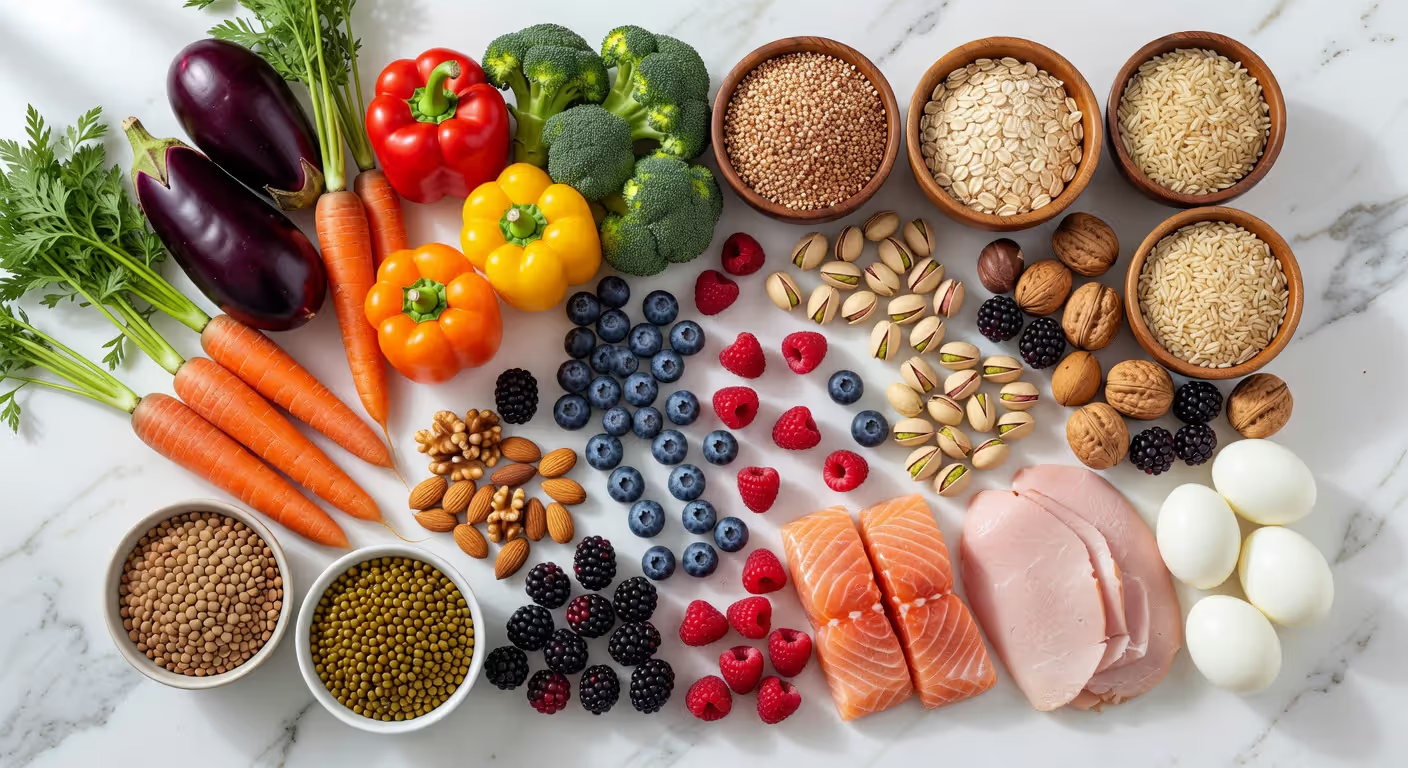
Constructing meals around low glycemic index foods becomes intuitive once you recognize the underlying patterns. Most protein sources and non-starchy vegetables barely influence blood sugar, while your carbohydrate selections create the major differences.
Steel-cut oats (42) and traditional rolled oats (55)
Quinoa (53)
Barley (28)—among the best grain options
Lentils (32), chickpeas (28), black beans (30)
Whole grain pasta (42-50, varying by shape)
Dairy:
Plain yogurt (14)
Milk (39)
Most cheeses (negligible impact)
Nuts and seeds (scoring under 20):
Almonds, walnuts, pecans, cashews
Chia seeds, flaxseeds, pumpkin seeds
The following comparison reveals how different versions of similar foods measure up:
Food Category
Low GI Option (GI Value)
High GI Option (GI Value)
Serving Size
Bread
100% stone-ground whole wheat (53)
White bread (75)
1 slice (30g)
Rice
Basmati rice (58)
Instant white rice (87)
1 cup cooked (150g)
Potato
Sweet potato (63)
Baked russet potato (85)
1 medium (150g)
Pasta
Whole wheat spaghetti (42)
White rice noodles (92)
1 cup cooked (180g)
Breakfast cereal
Steel-cut oats (42)
Corn flakes (81)
1 cup (40g dry)
Snack
Apple (36)
Rice cakes (82)
1 medium (120g) / 2 cakes
Foods to Limit or Avoid on a Low GI Diet
Complete elimination of high-scoring foods isn't necessary, but shifting them from daily staples to occasional treats makes sense.
High-scoring foods to minimize:
White bread, bagels, and most commercial baked goods (scoring 70-95)
White rice, particularly instant varieties (scoring 72-87)
Most breakfast cereals, especially refined ones (scoring 70-92)
Potatoes prepared certain ways—baked, mashed, or fried (scoring 85-95)
Watermelon and pineapple in large quantities (scoring 72-76)
Most crackers and pretzels (scoring 70-83)
Sports drinks and sodas (scoring 63-95)
Processing methods matter tremendously. An intact grain scores lower than that same grain ground into flour. Cooking techniques alter scores too—pasta cooked until just tender scores lower than overcooked pasta because the starch structure remains more resistant to digestion.
A frequent mistake: assuming every "healthy" food scores low. Whole wheat bread often reaches 69-72, barely improving on white bread at 75. The fiber benefits other health aspects, but doesn't dramatically slow glucose absorption in this processed form.
How to Build a Low Glycemic Meal Plan
Developing a low glycemic meal plan centers on patterns rather than perfection. Most meals should feature low-scoring foods as the foundation, with moderate portions of medium-scoring options and occasional small amounts of high-scoring foods combined with other nutrients that slow absorption.
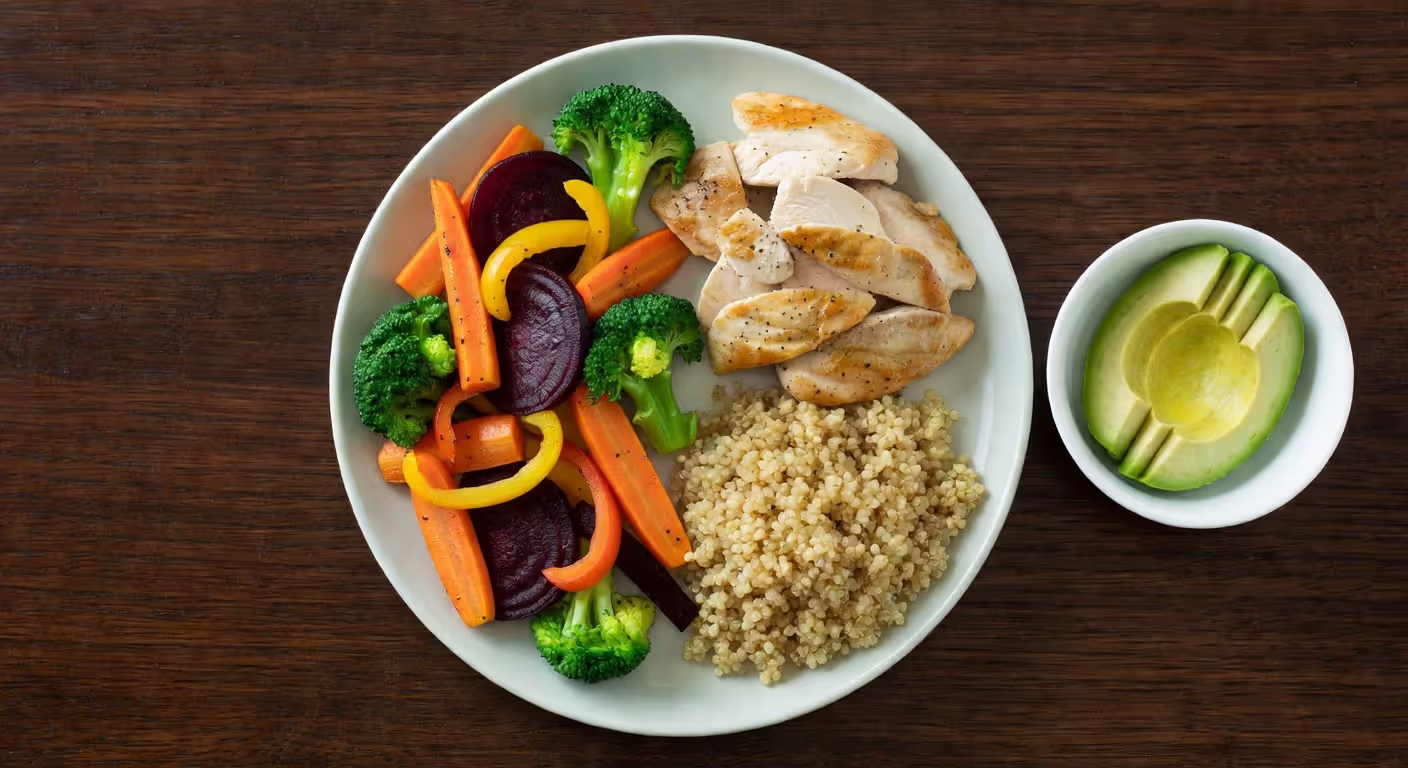
Build meals using this framework:
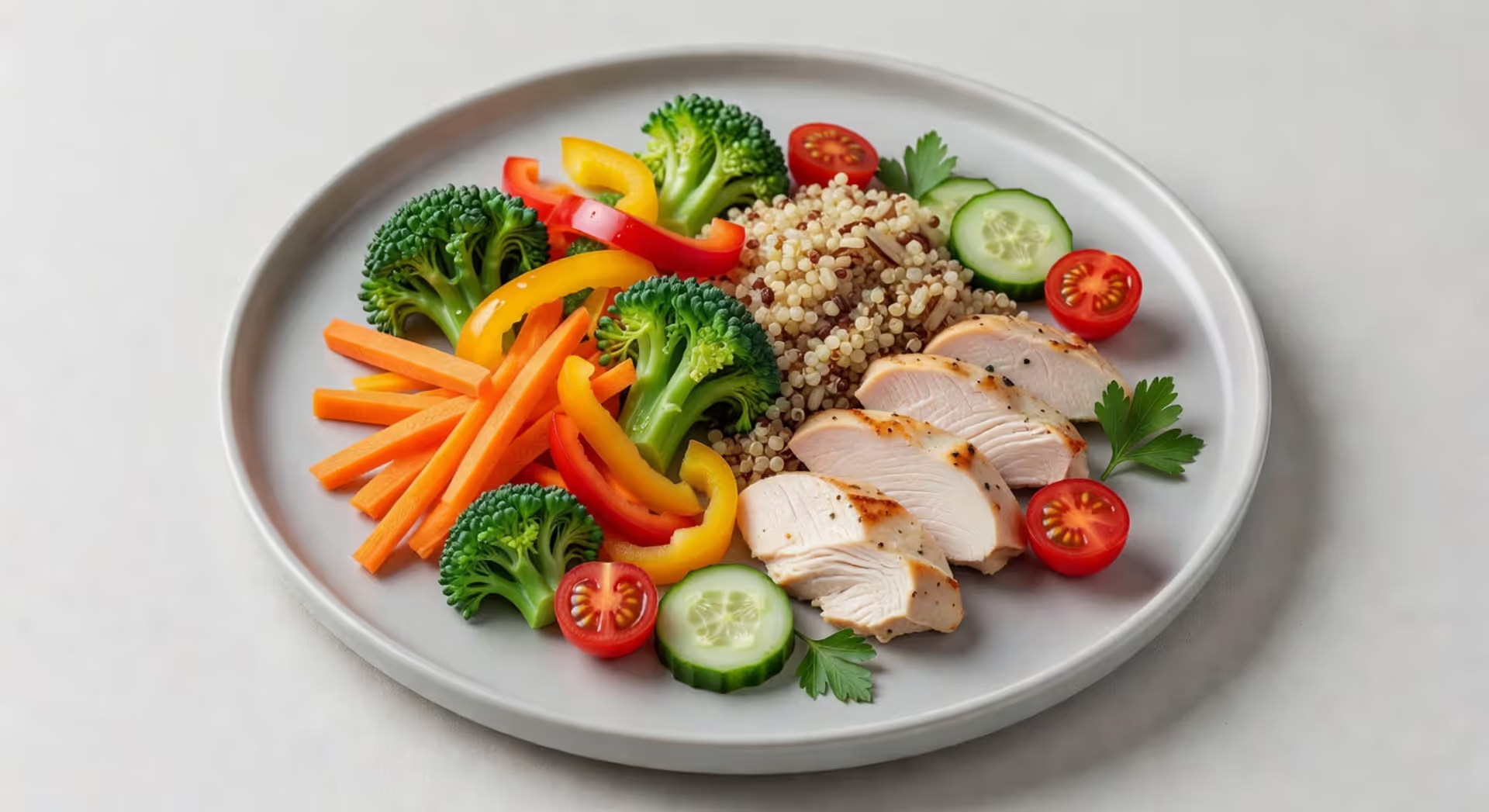
Cover half your plate with non-starchy vegetables
Add a palm-sized portion of protein
Include a fist-sized portion of low-scoring carbohydrates
Add a small amount of healthy fat
Food combinations carry equal weight to individual selections. Fat, protein, and fiber all decelerate carbohydrate absorption, reducing the overall glycemic impact of a complete meal. A baked potato (high score) consumed alongside salmon and a salad dressed with olive oil will trigger a much gentler glucose response than that same potato eaten alone.
When you eat influences your body's response. Your insulin sensitivity typically peaks during morning hours and gradually declines as the day progresses. This means your body handles carbohydrates more efficiently at breakfast than at dinner—though individual variation exists.
Portion awareness remains essential. Even low-scoring foods will elevate your blood sugar when consumed in excessive quantities. A cup of cooked lentils (low score) works beautifully; three cups might overwhelm your system.
Sample 7-Day Low Glycemic Meal Plan
This weekly menu maintains low glycemic load while delivering variety and satisfaction. Each day provides approximately 1,800 calories with glycemic load staying under 80.
Day
Breakfast
Lunch
Dinner
Snacks
Monday
Steel-cut oats with berries, almonds, cinnamon
Grilled chicken salad with mixed greens, chickpeas, olive oil dressing
Smoothie with protein powder, spinach, berries, chia seeds
Quinoa bowl with black beans, peppers, avocado
Baked cod, cauliflower rice, roasted asparagus
Celery with peanut butter
Friday
Whole grain toast with avocado and poached eggs
Chicken and vegetable stir-fry with barley
Lean beef, Brussels sprouts, small portion basmati rice
Greek yogurt with berries
Saturday
Cottage cheese with peaches and pumpkin seeds
Turkey and vegetable soup with lentils
Grilled shrimp, mixed green salad, wild rice
Apple slices with cheese
Sunday
Protein pancakes (oat flour) with berries
Chicken Caesar salad with whole grain croutons
Pork tenderloin, roasted vegetables, quinoa
Dark chocolate (85%) with almonds
You can exchange similar foods within categories—any lean protein substitutes for another, any non-starchy vegetable fits the plan, any low-scoring grain swaps for another. The overall pattern matters more than specific foods.
Common Mistakes When Starting a Low GI Diet
Even people who grasp the glycemic index concept often trip over these common pitfalls.
Ignoring portion sizes: Low scores don't authorize unlimited quantities. Three cups of brown rice will still spike your blood sugar despite its moderate score of 68. The glycemic load of that serving would reach approximately 60—extremely high.
Forgetting about glycemic load: This catches more people than any other issue. They skip watermelon (high score) but consume large bowls of brown rice (medium score, but high load in big portions). A cup of watermelon impacts blood sugar less than two cups of brown rice.
Eliminating all carbs: The low-scoring approach differs from low-carb eating. Many excellent carbohydrate sources—legumes, most fruits, whole grains like barley and oats—score low to moderate and deliver fiber, vitamins, and sustained energy. Cutting them unnecessarily makes the plan harder to sustain long-term.
Not considering individual response: Your body's reaction to specific foods might vary from published average scores. Some people tolerate rice better than potatoes; others demonstrate the opposite pattern. Continuous glucose monitors have revealed these individual variations clearly. If you feel terrible after a supposedly low-scoring food, trust your experience.
Eating low-scoring junk food: Food manufacturers now market cookies, bars, and snacks emphasizing low GI scores. These often achieve their ratings through added fats and sugar alcohols while delivering minimal nutrition. Even candy bars can score low through certain formulations, but they remain candy.
Overlooking preparation methods: Cooking duration and temperature modify scores. Pasta cooked until barely tender scores lower than soft, overcooked pasta. Cooled potatoes and rice develop resistant starch, reducing their glycemic impact compared to consuming them hot.
The simpler approach usually succeeds here. Prioritize whole foods prepared simply rather than attempting to manipulate processed foods to fit the plan.
FAQ: Low Glycemic Diet Questions Answered
Is a low glycemic diet good for weight loss?
Research consistently demonstrates that low-scoring eating patterns support weight loss and maintenance. A 2021 analysis examining 54 studies found that participants following low-scoring eating patterns lost an average of 2.2 pounds more than those on conventional diets across 5-6 months, even when calorie intake remained similar. The advantage stems from superior appetite control—low-scoring foods maintain satisfaction longer, reducing the impulse to snack between meals. You'll also sustain more stable insulin levels, allowing your body to access stored fat for energy rather than continuously storing new fat.
Can diabetics follow a low GI diet plan?
Definitely. Major diabetes organizations recommend low-scoring eating as part of blood sugar management strategies. People with type 2 diabetes who adopt a low glycemic meal plan typically see their HbA1c (a three-month blood sugar average) decrease by 0.3-0.5%, which represents clinically meaningful improvement. Those with type 1 diabetes often find it easier to match insulin doses to meals when consuming low-scoring foods because blood sugar rises more predictably. Always coordinate with your healthcare provider when making dietary changes, especially if you take insulin or other diabetes medications—you may need dosage adjustments as your blood sugar control improves.
How do glycemic index and glycemic load differ from each other?
Glycemic index measures how rapidly a food elevates blood sugar compared to pure glucose, ranking foods from zero to one hundred. Glycemic load advances this concept by accounting for the actual carbohydrate amount in a typical serving. You calculate it by multiplying the score by the grams of carbohydrate, then dividing by 100. This distinction becomes important because some high-scoring foods contain very little carbohydrate per serving. Carrots score 71 (high) but deliver only 4 grams of carbohydrate in a half-cup serving, creating a glycemic load of just 3 (very low). For practical meal planning, glycemic load provides more useful information than the index alone.
Are all low GI foods healthy?
Not automatically. Ice cream scores relatively low around 51 because fat content slows sugar absorption, yet it's still packed with sugar and saturated fat. Potato chips score lower than baked potatoes, but that doesn't make them a superior choice. Some low-scoring processed foods achieve their ranking through added fats or artificial ingredients. The healthiest strategy combines low scores with overall nutritional quality—choose whole foods like vegetables, fruits, legumes, and whole grains as your foundation rather than relying on processed low-scoring products.
How long does it take to see results on a low glycemic diet?
Most people notice shifts in energy levels and reduced cravings within the first week. Weight loss typically becomes visible after 2-3 weeks if you're maintaining a calorie deficit. For metabolic improvements like enhanced insulin sensitivity or lower fasting blood sugar, expect measurable changes in 6-8 weeks. Significant weight loss and sustained metabolic improvements usually require 3-6 months of consistent adherence. The timeline varies based on your starting point—people with more severe insulin resistance or higher initial weight often experience faster initial improvements.
Can I eat fruit on a low GI diet?
Absolutely, most fruits fit perfectly into a low glycemic diet plan. Berries, cherries, apples, pears, oranges, and grapefruit all score low and provide fiber, vitamins, and antioxidants. Even moderate-scoring fruits like bananas (scoring 51) and grapes (scoring 59) work fine in reasonable portions, especially when paired with protein or fat—like apple slices with almond butter. The fruits requiring moderation are tropical varieties like watermelon and pineapple in large quantities, though small servings create minimal impact. Dried fruits concentrate the sugar, so stick to small portions. The fiber in whole fruit slows absorption significantly compared to fruit juice, which you should minimize.
A low glycemic diet plan isn't a temporary fix—it's a sustainable way of eating that aligns with how your body processes food. You'll naturally gravitate toward whole foods, feel satisfied between meals, and maintain steady energy throughout the day. Start by swapping one or two high-scoring foods for low-scoring alternatives this week, then build from there. Your blood sugar, energy levels, and long-term health will thank you.