If you've been randomly cutting out foods hoping to calm your angry gut, there's a better way. A low FODMAP meal plan gives you a systematic roadmap—backed by actual research—to figure out exactly which foods are causing your bloating, cramping, and bathroom emergencies. Here's the thing: you're not eliminating foods forever. You're running a temporary experiment on your own body, then bringing foods back strategically. Most people end up eating way more variety than they expected. This guide walks you through the whole process, from understanding what FODMAPs actually are to building weekly menus that won't leave you hungry or nutritionally deficient.
What Is a Low FODMAP Diet and How It Works
FODMAPs are specific types of carbohydrates that your small intestine struggles to absorb. The term breaks down to Fermentable Oligosaccharides, Disaccharides, Monosaccharides, and Polyols. When these carbs reach your colon undigested, bacteria ferment them. That fermentation produces gas. The carbs also pull water into your intestines. For someone with IBS, this double whammy triggers cramping, bloating, diarrhea, or constipation.
Here's what makes this diet different from random food elimination: it follows three distinct phases with clear timelines.
Phase one strips out high FODMAP foods for 2-6 weeks. You're giving your gut a break from the compounds that irritate it. Most people feel significantly better within 14 days, though some need the full six weeks to see changes. You'll know it's working when your pants fit normally again and you're not planning your day around bathroom locations.
Phase two brings foods back—but methodically. You test one FODMAP group at a time over 6-8 weeks. Maybe you try lactose for three days, then wait. Then fructans for three days, then wait. This spacing lets you pinpoint exactly which category bothers you. Turns out, many people only react to one or two FODMAP types, not all of them.
Phase three becomes your new normal. You've identified your personal triggers through testing. Now you avoid just those specific foods while enjoying everything else. Some folks discover they can handle small amounts of their trigger foods without consequences.
Research from Monash University (the institution that developed this protocol) shows about 75% of IBS patients get meaningful relief. But here's the catch everyone misses: phase one is temporary detective work, not a permanent lifestyle. Staying in elimination mode for months or years creates unnecessary restrictions and potential nutrient gaps.
The low FODMAP diet is one of the most effective dietary interventions for IBS, but success depends on proper implementation of all three phases—not just endless restriction.
Foods to Eat and Avoid on a Low FODMAP Diet
The approved food list is actually longer than most people assume when they first hear about this diet. You're not stuck eating plain chicken and lettuce.
Low FODMAP Foods You Can Enjoy
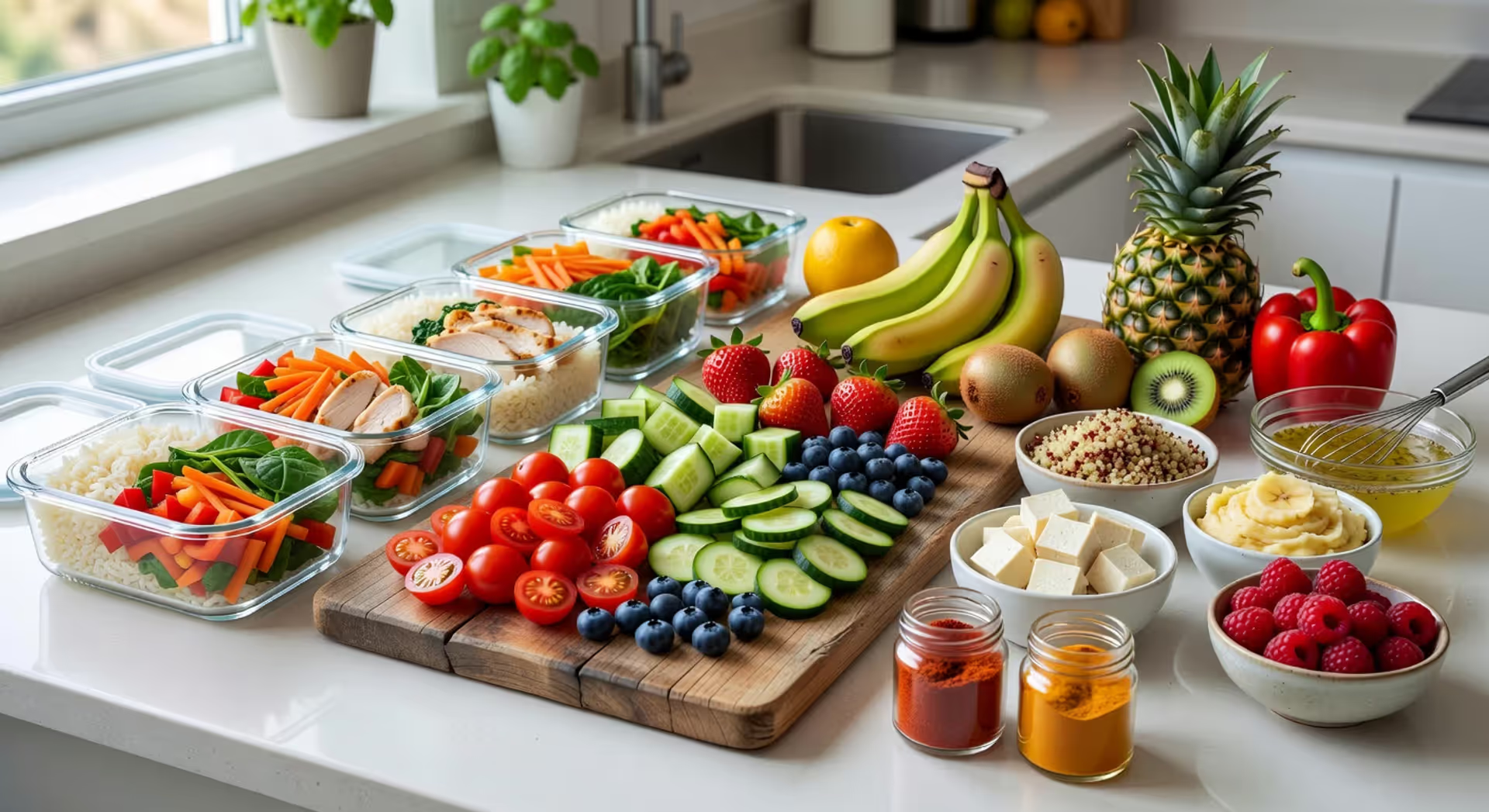
Build your meals around these gut friendly foods during phase one. Nearly all plain proteins work: chicken, turkey, beef, pork, fish, shellfish, eggs, and firm tofu. Just watch out for pre-seasoned versions—they often sneak in garlic or onion powder.
Grains that won't trigger symptoms include white rice, brown rice, oats, quinoa, and certified gluten-free bread. Regular wheat is problematic, but authentic sourdough spelt bread often passes because fermentation breaks down some FODMAPs.
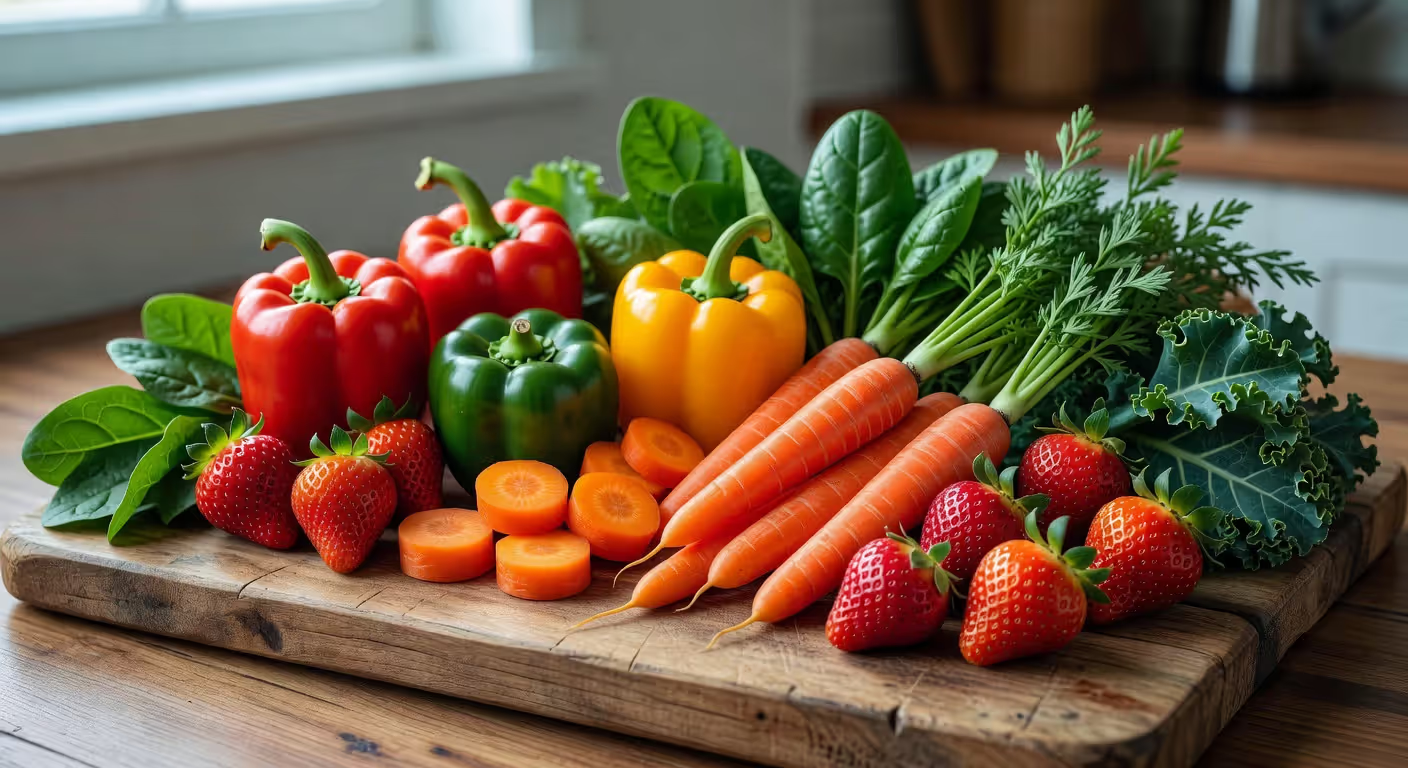
Your vegetable options are surprisingly diverse: carrots, zucchini, red/yellow/green bell peppers, spinach, kale, tomatoes, cucumbers, eggplant, green beans, regular potatoes, and sweet potatoes. You can fill half your plate with these.
For fruit, stick with bananas (when they're ripe), blueberries, strawberries, oranges, grapes, and kiwi. Switch to lactose-free versions of milk and yogurt. Hard cheeses like cheddar, Swiss, and parmesan naturally contain minimal lactose because aging removes it.
High FODMAP Foods That Cause Bloating
These ingredients get temporarily removed during your elimination phase. Problem vegetables include onions (all types), garlic, cauliflower, mushrooms, and asparagus. Onions and garlic are the sneakiest—they hide in practically every packaged food, sauce, and seasoning blend.
Fruits to avoid temporarily: apples, pears, watermelon, cherries, mangoes, and all dried fruits. Standard wheat products, regular dairy milk, soft cheeses, ice cream, and conventional yogurt all contain FODMAPs that trigger reactions.
Beans and legumes—kidney beans, chickpeas, lentils—cause issues in typical serving sizes. Sweeteners like honey, agave, and high-fructose corn syrup also make the "avoid" list.
Here's something that surprises everyone: portion size changes everything. A whole apple might wreck your day, but two thin slices could be fine. The Monash FODMAP app lists exact serving limits for hundreds of foods.
Food Group
Safe Options
Problem Foods
Portion Details
Vegetables
Carrots, bell peppers (all colors), zucchini, spinach, green beans
Onions, garlic, cauliflower, mushrooms, asparagus
Butternut squash: stop at ¼ cup
Fruits
Strawberries, blueberries, oranges, grapes, kiwi
Apples, pears, watermelon, cherries, dried fruits
Bananas: one medium fruit maximum
Grains
White/brown rice, oats, quinoa, gluten-free bread, spelt sourdough
Regular wheat bread, pasta, couscous, rye
Oats: ½ cup dry maximum
Proteins
Chicken, fish, eggs, firm tofu, tempeh
Processed meats with garlic/onion powder
Plain proteins almost never cause problems
Dairy
Lactose-free milk, aged hard cheeses, almond milk (unsweetened)
Regular milk, soft cheeses, ice cream, standard yogurt
Hard cheese: one ounce per serving
Sample 7-Day Low FODMAP Meal Plan
This week of meals uses ingredients you can find at any regular grocery store. Nothing fancy or expensive. Each day balances protein, carbs, and vegetables without triggering symptoms.
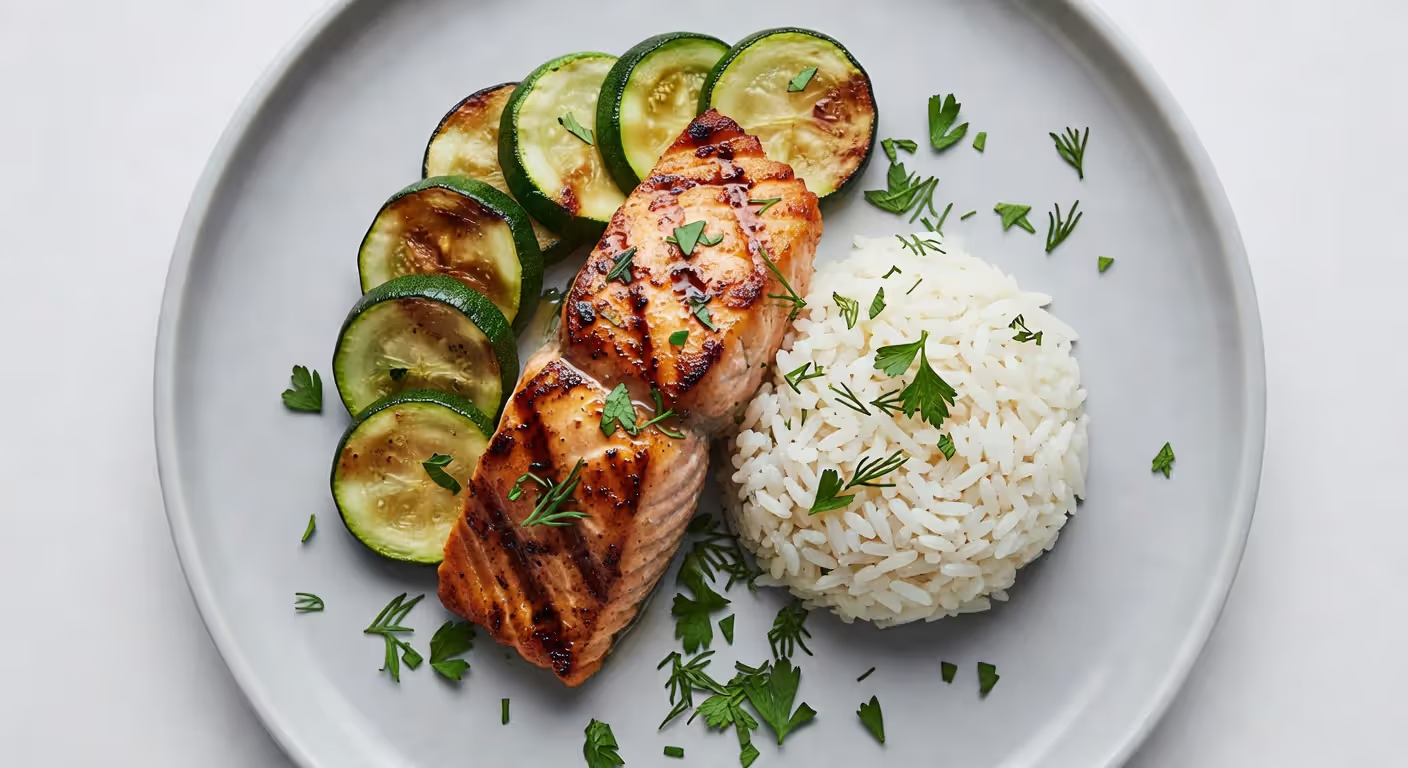
Day 1: Breakfast: Scrambled eggs with spinach on gluten-free toast Lunch: Grilled chicken over mixed greens, shredded carrots, cucumber, olive oil dressing Dinner: Baked salmon with roasted zucchini and white rice Snack: Rice cakes with peanut butter
Day 2: Breakfast: Oatmeal made with lactose-free milk, topped with blueberries Lunch: Turkey and lettuce in a gluten-free wrap Dinner: Beef stir-fry with bell peppers, bok choy, and brown rice Snack: One orange plus a handful of walnuts
Day 3: Breakfast: Smoothie with banana, strawberries, spinach, and almond milk Lunch: Quinoa bowl with grilled chicken, cherry tomatoes, and feta Dinner: Pork chops with mashed potatoes and steamed green beans Snack: Lactose-free Greek yogurt with chia seeds
Day 4: Breakfast: Two hard-boiled eggs with strawberries Lunch: Tuna salad on gluten-free crackers with cucumber slices Dinner: Chicken stir-fry with carrots, zucchini, and rice noodles Snack: Small banana with macadamia nuts
Day 5: Breakfast: Gluten-free pancakes with maple syrup and bacon Lunch: Leftover chicken stir-fry from last night Dinner: Grilled shrimp tacos in corn tortillas with lettuce and tomato Snack: Grapes with a slice of cheddar cheese
Day 6: Breakfast: Smoothie bowl topped with kiwi, blueberries, and gluten-free granola Lunch: Egg salad over mixed greens with bell pepper strips Dinner: Baked chicken thighs with roasted carrots and quinoa Snack: Rice crackers with almond butter
Day 7: Breakfast: Three-egg omelet with tomatoes, spinach, and lactose-free cheese Lunch: Turkey meatballs in garlic-free marinara over white rice Dinner: Beef with mixed vegetables stir-fried in tamari, served over jasmine rice Snack: Lactose-free cottage cheese with sliced strawberries
Shopping list basics: stock up on various proteins (chicken, fish, eggs, beef), lactose-free dairy, rice and quinoa in bulk, gluten-free bread and wraps, plus plenty of approved vegetables. Buy fresh herbs like basil and cilantro instead of relying on garlic and onion for flavor.
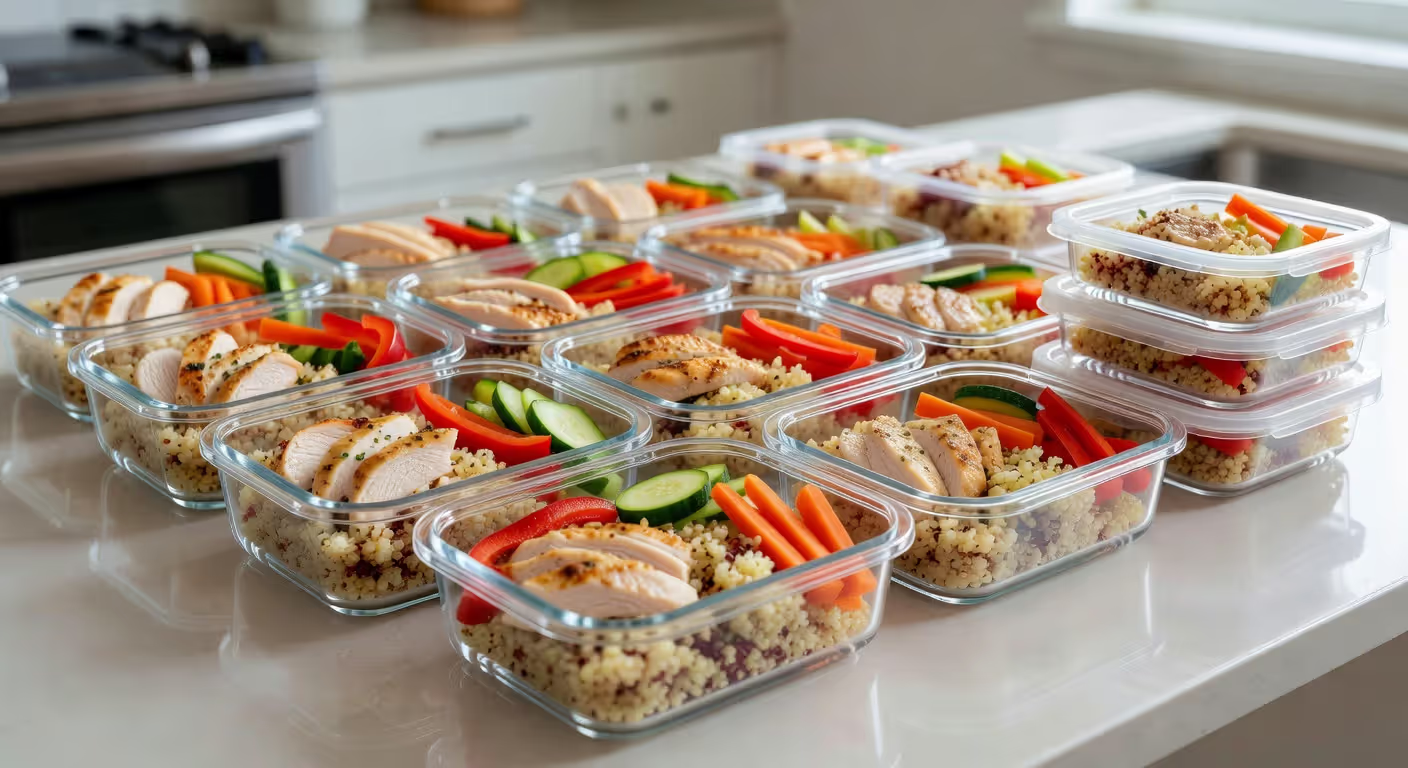
Meal prep tip: cook proteins and grains in batches on Sunday. Grill several chicken breasts, bake multiple salmon fillets, and make a big pot of rice. This cuts your weeknight cooking time to about 15 minutes.
How to Build Your Own IBS Friendly Meal Plan
Creating your personalized low FODMAP meal plan takes about 30 minutes each week. Start by picking 3-4 breakfast options you'll rotate. Most people want simple mornings they can execute half-asleep.
Lunches should focus on leftovers or make-ahead options. Grain bowls, salads with protein, and homemade soups (minus onion and garlic) all work great.
Dinners need a protein, a grain or starchy vegetable, and at least two non-starchy vegetables. This formula keeps you full while hitting nutritional targets.
Here's what I see constantly: people get so focused on avoiding FODMAPs that they forget about fiber, calcium, and iron. Your body still needs 25-35 grams of fiber daily from safe sources like carrots, quinoa, and berries. Get calcium from lactose-free dairy or fortified plant milk. Include iron-rich foods like spinach, beef, and firm tofu.
Plan your week backward: pick dinners first, then lunches (often dinner leftovers), then breakfast and snacks. This reverse approach prevents the 5pm "what's for dinner" panic.
Batch cooking saves massive amounts of time. Spend two hours on Sunday: chop vegetables, cook grains, marinate proteins, portion snacks. Store everything in clear containers so you can see what you have.
Keep emergency meals on hand for crazy weeks. Canned tuna, rice crackers, bananas, and lactose-free cheese sticks require zero prep. Frozen vegetables and microwaveable rice packets drastically reduce cooking time.
Don't sacrifice flavor just because you're restricted. Garlic-infused olive oil (strain out the garlic pieces) gives you garlic flavor without FODMAPs. Fresh herbs, ginger, lemon juice, and spices like cumin and paprika add variety.
Common Mistakes When Starting a Low FODMAP Diet
The biggest mistake? Staying in elimination phase too long. You should only do strict elimination for 2-6 weeks maximum. Going longer increases your risk of nutrient deficiencies and creates unnecessary food anxiety.
Many people skip reintroduction entirely because they feel better. But you need that testing phase to identify your actual problem foods. You might be avoiding things you digest perfectly fine.
Another common error: reintroducing foods randomly or too quickly. The correct protocol tests one FODMAP group at a time with three days between tests. Eating multiple high FODMAP foods in one day makes it impossible to identify your trigger.
Nutritional deficiencies happen when people cut entire food groups without replacing nutrients. Removing dairy without adding calcium-fortified alternatives risks bone health. Cutting wheat without ensuring adequate B vitamins from other sources creates problems.
Ignoring portion sizes sabotages many people. A small serving of avocado is low FODMAP; an entire avocado isn't. The amount matters just as much as the food itself.
Some people confuse low FODMAP with healthy eating. They're not the same thing. You could eat low FODMAP junk food all day and still have poor health. Focus on whole foods that happen to be low FODMAP, not processed "FODMAP-friendly" products loaded with sugar.
One more thing: assuming food is always the culprit. Stress, poor sleep, and hormonal changes affect IBS symptoms too. This diet works best combined with overall lifestyle management.
FAQ: Low FODMAP Diet Questions Answered
How long should I follow a low FODMAP meal plan?
Strict elimination lasts just 2-6 weeks—only long enough to calm your symptoms down. After that, you'll spend 6-8 weeks systematically reintroducing foods to discover your personal triggers. Then you'll follow a modified version that only restricts the specific ingredients causing your reactions. Most people end up tolerating many high FODMAP foods in controlled amounts. Staying in strict elimination longer than necessary isn't recommended because it can lead to nutrient gaps and unnecessarily limits your diet.
Can I eat out on a low FODMAP diet?
Yes, but you need a strategy. Pick restaurants with customizable options—steakhouses, sushi places, and build-your-own bowl spots work well. Order plain grilled proteins without marinades, substitute safe vegetables like carrots or green beans for onions, and consider bringing your own garlic-infused oil. Most servers will accommodate requests to leave off garlic and onions. Skip cream sauces and choose olive oil or plain tamari instead. The Monash app helps you evaluate menu items quickly.
Will I lose weight on a low FODMAP meal plan?
Not necessarily—that's not the goal. Some people drop a few pounds initially because they're cutting out processed foods and eating more whole foods. Others see changes from reduced bloating—you haven't actually lost fat, you just feel less puffy. If you're losing weight unintentionally and that concerns you, focus on calorie-dense safe foods like peanut butter, olive oil, rice, and lactose-free cheese. This diet targets symptom management, not weight loss.
Do I need to avoid high FODMAP foods forever?
No way. That's exactly why reintroduction exists—to figure out which FODMAP groups you actually react to. Many people discover they only have problems with one or two specific FODMAP categories. Maybe you're fine with lactose but struggle with fructans. Or maybe you can handle small amounts of most FODMAPs without symptoms. After you complete reintroduction, you'll have a personalized list of foods to limit or avoid. Most people end up with much more variety than during elimination.
What's the difference between low FODMAP and gluten-free?
They're completely different approaches. Gluten-free eliminates the gluten protein found in wheat, barley, and rye. Low FODMAP restricts certain carbohydrates, some of which happen to be in wheat. You can eat gluten on a low FODMAP diet if it comes from approved spelt sourdough or small wheat portions. Meanwhile, many gluten-free products contain high FODMAP ingredients like honey, inulin, or apple juice concentrate. Some people need both diets simultaneously, but they address different conditions—celiac disease versus IBS.
Can children follow a low FODMAP diet?
Kids can do this protocol, but only under supervision from a registered pediatric dietitian. Children have different nutritional needs than adults, and restricting food groups can affect growth and development. A qualified dietitian ensures your child gets adequate calories, calcium, iron, and other nutrients during the process. The elimination phase is typically shorter for children—around 2-4 weeks. Many kids with IBS respond well to this approach, but professional guidance is essential for growing bodies.
Starting a low FODMAP meal plan feels overwhelming at first, but it gets easier once you establish your routine. Focus on the abundance of foods you can eat rather than fixating on temporary restrictions. Remember this is a diagnostic tool, not a life sentence. Most people end up with surprisingly flexible diets after reintroduction. Give yourself patience during the learning curve—you're investing time now for long-term digestive comfort.