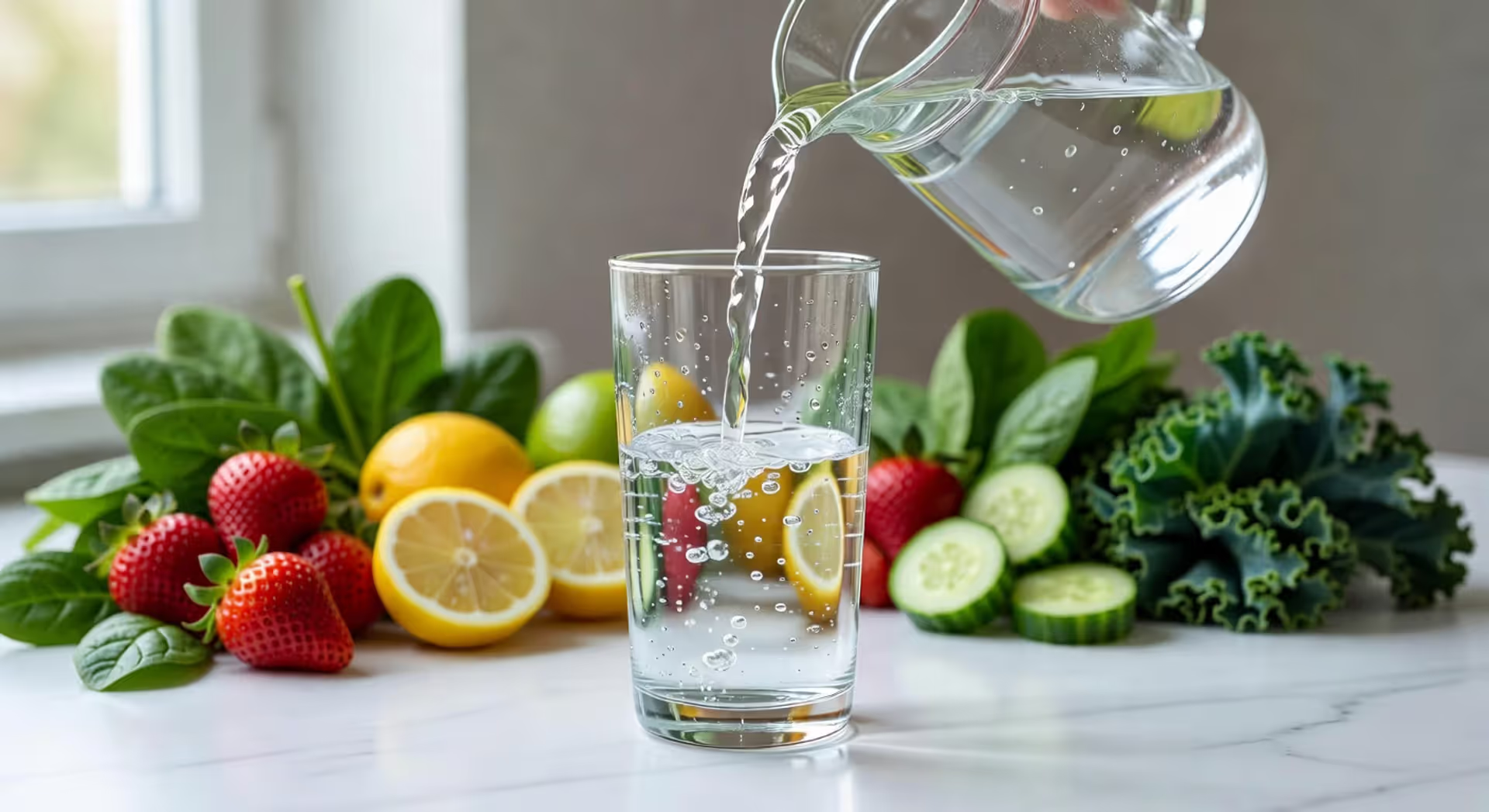
You've probably heard that staying hydrated is important, but here's what most people miss: waiting until your mouth feels parched means you're already behind. Your body starts experiencing performance issues—reduced mental clarity, compromised muscle function, mood disturbances—well before that dry-mouth sensation kicks in. Most Americans operate in a state of mild dehydration without recognizing it. The solution isn't rocket science, but it does mean understanding how your cells actually utilize water and why downing massive amounts at once won't help if you're lacking essential minerals. Master these core principles and you'll see improvements in everything from those mid-afternoon energy dips to how efficiently you bounce back after physical activity.
Why Hydration Matters for Your Body
Roughly 60% of your body weight consists of water. This isn't just an interesting statistic—it represents the liquid medium where every single biological function takes place.
Your cardiovascular system requires sufficient water volume to transport blood efficiently through vessels, delivering oxygen to your brain, muscles, and vital organs. Your kidneys depend on consistent fluid flow to eliminate metabolic waste products. Your digestive tract needs water to break down food and extract nutrients from what you eat. Even your nervous system relies on proper fluid balance to transmit electrical signals at optimal speeds. Research demonstrates that dropping just 1-2% below ideal hydration levels produces measurable declines in concentration, emotional stability, and athletic capability.
When fluid levels drop too far, your cardiovascular system faces increased strain. Reduced water content makes blood more viscous and harder to circulate. This explains why you feel drained and lethargic after going hours without drinking—your heart is working overtime just to maintain basic operations.
Here's what catches people off guard: most assume they're fine because they don't experience intense thirst. But the thirst response activates relatively late in the dehydration process. Once your mouth starts feeling parched, you've typically already dropped about 2% of your body's water content. Persistent low-grade dehydration manifests as recurring headaches, digestive sluggishness, skin that looks dull and flakes easily, and that mental fog you might attribute to poor sleep quality.
Your body's temperature control mechanisms also depend entirely on adequate hydration. Perspiration is your primary cooling system, but you can't sweat effectively without sufficient fluid reserves. During physical exertion or exposure to heat, inadequate fluid levels can rapidly escalate into a medical emergency.
How Much Water Do You Actually Need
The traditional advice about drinking eight cups daily? It's not harmful guidance, but it's far too one-size-fits-all to be genuinely useful for everyone.
Your actual requirements vary based on body size, physical activity patterns, environmental conditions, dietary habits, and life circumstances (pregnancy and nursing dramatically increase needs). A 120-pound administrative assistant in climate-controlled spaces requires substantially less than a 200-pound landscaper working through summer months.
More effective starting point: target approximately half your body weight in fluid ounces. If you weigh 160 pounds, begin with 80 ounces—roughly ten cups. Then increase based on activity intensity and weather conditions.
These figures assume body weight between 140-180 pounds. Larger individuals should increase proportionally. Smaller people need correspondingly less.
Rather than fixating on precise measurements, monitor your body's responses. Your urine color provides reliable feedback—pale straw yellow indicates proper hydration. Deep yellow or amber coloring signals you should increase intake. Completely transparent urine all day might indicate overconsumption (though this rarely occurs unless you're deliberately forcing fluids).
Don't forget that food contributes significantly. Watermelon, cucumbers, citrus fruits, lettuce—these can supply 20-30% of your daily fluid requirements.
Signs You're Not Drinking Enough Water
Your body broadcasts warning signals when it needs water. Some are unmistakable. Others disguise themselves as seemingly unrelated issues.
Experiencing thirst and mouth dryness are the textbook indicators, but they appear relatively late. By the time you notice these sensations, you're already playing catch-up.
Persistent headaches—particularly that dull, unrelenting pressure around your temples—frequently stem from inadequate fluid intake. Your brain tissue contains high water content, and when hydration drops, brain matter can temporarily shrink slightly from the skull, activating pain receptors.
Urine color provides your most dependable real-time indicator. Unless you're consuming B-complex vitamins (which create bright yellow urine), your output should resemble pale straw. Darker shades indicate your kidneys are conserving precious water.
Exhaustion and lightheadedness occur because reduced fluid volume means decreased blood pressure and insufficient oxygen reaching critical areas. You might feel dizzy during sudden position changes or just perpetually drained.
Skin that's dry and flaking along with cracked lips that don't respond to topical treatments suggest the issue originates internally. When water becomes scarce, your body prioritizes essential organs over skin health.
Infrequent urination—fewer than 4-6 bathroom trips daily—suggests insufficient intake. Your renal system requires adequate volume to process and eliminate waste materials.
Muscle cramping during or following exercise can indicate both fluid depletion and mineral loss, which typically occur simultaneously.
Performance degradation happens subtly but measurably. Scientific studies confirm that even moderate dehydration compromises cognitive processing, response times, and stamina. Athletes demonstrate documented reductions in strength and endurance after losing merely 2-3% of body weight through perspiration.
The Role of Electrolytes in Hydration
Water by itself doesn't provide the complete picture. Hydration electrolytes—sodium, potassium, magnesium, calcium, and chloride—are electrically charged minerals that regulate fluid distribution, muscle contractions, nerve transmission, and pH balance.
When you perspire, you simultaneously lose both water and minerals. Replacing only the liquid without the minerals creates an imbalance. Your cells require specific mineral concentrations to actually absorb and retain water. This explains why consuming large amounts of plain water following extended running or hours in heat sometimes leaves you feeling bloated yet still experiencing thirst—the fluid passes through without proper cellular absorption.
Sodium receives considerable criticism in nutritional discussions, yet it's actually the primary mineral for sustaining hydration. It enables your body to retain water and maintain blood volume. During prolonged exercise (exceeding 60-90 minutes) or substantial sweating, you lose considerable sodium. Replacement becomes necessary.
Potassium collaborates with sodium to regulate fluid location—whether inside cells or in surrounding spaces. It's vital for cardiac rhythm and muscle recovery. Magnesium facilitates muscle relaxation and drives energy production. Calcium does far more than strengthen bones—it's essential for proper muscle contraction.
Balance is critical. Consuming excessive water without adequate electrolytes can dilute blood sodium to dangerous concentrations, a condition called hyponatremia. While uncommon in everyday situations, it can affect endurance athletes who consume too much plain water during extended events.
Best Electrolytes for Hydration
Not all electrolyte sources deliver equal benefits. Optimal choices depend on your activity intensity and personal preferences.
Sodium and chloride become most important during heavy perspiration. Commercial sports beverages typically deliver 100-200mg of sodium per eight-ounce serving. This concentration helps during vigorous or extended exercise but proves excessive for sedentary activities.
Potassium-rich alternatives include coconut water (approximately 600mg per cup), which also supplies natural carbohydrates for energy. Bananas, white potatoes, and leafy greens offer excellent dietary sources.
Magnesium appears in nuts, seeds, dark chocolate, and numerous electrolyte powders. It proves particularly valuable for preventing exercise-related cramping.
Commercial hydration products demonstrate enormous quality variation. Some essentially consist of sweetened beverages with added salt. Others provide clean mineral formulations with minimal sweeteners. Scrutinize ingredient labels carefully. When sugar ranks among the first two ingredients, you're primarily purchasing flavored sugar water.
Electrolyte powders and tablets offer greater control over concentration and eliminate unnecessary sugar. They're convenient for travel and customizable to taste preferences.
You can also create homemade versions. Basic recipe: combine 16 ounces water, 1/4 teaspoon salt, 1/4 cup fresh citrus juice, and one teaspoon honey. The taste won't match commercial products, but it delivers results.
When to Use Electrolyte Drinks vs. Water
Plain water satisfies most routine hydration requirements. If you're moderately active, consuming regular meals, and not perspiring excessively, water suffices. You obtain minerals through food.
Choose electrolytes for hydration when:
You're exercising intensely for more than an hour. Brief workouts don't significantly deplete minerals, but extended sessions do.
You're perspiring heavily in high temperatures, whether exercising or not. Outdoor work, yard maintenance, or simply spending extended periods in scorching conditions qualifies.
You're experiencing illness with vomiting or diarrhea. These conditions rapidly drain both fluids and minerals. Rehydration solutions address this specifically.
You're engaged in endurance activities—distance running, cycling, or multi-hour hiking. These demand strategic mineral replenishment.
You're traveling by air. Airplane cabins maintain extremely low humidity and accelerate dehydration.
For typical daily routines? Water works perfectly. It costs nothing, contains zero calories, and you naturally obtain minerals from food. Reserve electrolyte beverages for situations that genuinely warrant them.
Effective hydration isn't just about drinking enough volume—it's about maintaining the right balance between fluids and minerals so your cells can function properly. During prolonged exercise or heat exposure, replacing sodium is just as important as replacing water. A lot of people underestimate how much sodium they lose through sweat and wonder why drinking plain water alone doesn't make them feel better.
How to Stay Hydrated Throughout the Day
Consistency outperforms volume. Regular sipping works better than sporadic gulping of large amounts followed by extended periods without anything.
Begin your morning with water. You've gone 7-9 hours without fluids. Consuming 8-16 ounces immediately upon waking rehydrates you and jumpstarts your metabolism. Position a filled glass on your nightstand.
Consume fluids before thirst develops. Set phone alerts if necessary. Thirst represents a late-stage warning—you want prevention, not reaction.
Link drinking to established habits. Have a glass alongside each meal. Drink while your coffee brews. Sip during email reviews. Connect the new behavior to activities you already perform automatically.
Maintain water visibility and accessibility. A reusable bottle on your desk or in your bag eliminates barriers. When something isn't visible, you genuinely forget about consuming it.
Consume water-rich foods. Cucumbers, watermelon, strawberries, lettuce, celery, soups—all provide meaningful hydration. You're not exclusively drinking your fluids, you're eating them too.
Sidestep common pitfalls. Don't postpone drinking until you're desperately parched. Don't count on caffeinated or alcoholic beverages for hydration (they promote fluid loss). Don't assume that because you're not visibly sweating you don't need water—air conditioning dehydrates you as well.
Monitor intake if beneficial. Some individuals benefit from recording consumption in apps or marking time-based goals on bottles. If that approach feels burdensome, abandon it. The simpler method typically succeeds long-term.
Hydration for Different Activities and Conditions
Your hydration approach should adapt based on your activities and environment.
For exercise, pre-hydrate by consuming 16-20 ounces 2-3 hours beforehand, followed by another 8-10 ounces approximately 15 minutes before starting. During your workout, target roughly 7-10 ounces every 10-20 minutes. Post-exercise, replace fluids at 16-24 ounces for every pound lost through sweat. Weigh yourself before and after extended workouts to calculate sweat loss precisely.
In hot weather, boost your baseline intake by 30-50%. Don't postpone drinking until you feel overheated—humidity prevents sweat evaporation, which can mask rising body temperature. Choose lightweight, breathable clothing and seek shade regularly. Monitor for heat illness indicators: disorientation, racing pulse, nausea.
During illness, particularly with fever, vomiting, or diarrhea, fluid loss accelerates dramatically. Take small, frequent sips—large gulps may trigger additional nausea. Rehydration solutions or diluted sports drinks restore lost minerals. Broth and herbal teas contribute as well.
When traveling, especially during flights, cabin air maintains extremely low humidity. Target at least 8 ounces hourly during flights. Bring an empty bottle through security and refill at water fountains. Minimize alcohol and caffeine on planes—both accelerate fluid loss.
At high altitude, water loss increases through elevated breathing rates. You might not notice because sweat evaporates instantly in dry mountain air. Boost intake by 20-30% when you're above 5,000 feet elevation.
FAQ: Hydration Questions Answered
Can you drink too much water?
Yes, though it occurs infrequently. Consuming extreme quantities in compressed timeframes can dilute blood sodium to hazardous levels, causing hyponatremia. Warning signs include nausea, head pain, mental confusion, and in critical cases, seizures. This primarily impacts endurance athletes who consume too much plain water during marathons without mineral replacement. During normal daily activities, your kidneys process excess water effectively. If you're drinking such large volumes that your urine remains crystal clear and you're visiting the bathroom every 30 minutes, reduce consumption.
Does coffee count toward hydration?
Absolutely, despite the enduring misconception that caffeine entirely negates the water content. While caffeine produces mild diuretic effects, the water in coffee still contributes toward your daily fluid total. Scientific research demonstrates that moderate coffee consumption (3-4 cups daily) doesn't trigger dehydration in habitual drinkers whose bodies have adapted to caffeine. That said, water makes a superior primary hydration source. Don't depend exclusively on coffee, and if you're particularly sensitive to caffeine, it might increase urination sufficiently to reduce overall hydration effectiveness.
What are the best natural sources of electrolytes?
Whole foods surpass supplements for everyday mineral requirements. For sodium: pickles, olives, bone broth, salted nuts. For potassium: bananas, sweet potatoes, spinach, avocados, various beans. For magnesium: pumpkin seeds, almonds, dark chocolate, black beans. For calcium: dairy products, leafy greens, fortified plant-based milks. Coconut water provides a balanced combination of potassium and sodium. If you maintain a varied diet including fruits, vegetables, and appropriate salt levels, you're likely meeting electrolyte needs without deliberate supplementation.
How long does it take to rehydrate after exercise?
This depends on your dehydration severity. Mild dehydration (1-2% body weight loss) can be corrected within 1-2 hours through steady fluid consumption plus some minerals. More substantial dehydration (3-5% loss) may require 4-6 hours of consistent intake. Your digestive system can only absorb approximately 800-1000ml hourly, so rapidly consuming enormous amounts won't accelerate recovery—it'll simply create discomfort. Target 16-24 ounces during the first hour following exercise, then maintain normal drinking patterns. Including a pinch of salt or consuming a snack alongside your water enhances absorption.
Should you sip water throughout the day or drink full glasses at once?
Sipping proves more effective. Your body absorbs water more efficiently through smaller amounts consumed consistently rather than large volumes taken infrequently. When you rapidly consume huge quantities, much of it bypasses cellular absorption and proceeds directly to your bladder. Steady sipping maintains superior hydration and prevents that bloated, sloshing sensation. That said, drinking a complete glass alongside meals or upon waking isn't problematic—just don't make it your exclusive strategy.
Do you need electrolytes if you're not exercising?
Typically not as supplements. If you're consuming meals containing normal salt levels and diverse whole foods, you're obtaining sufficient minerals for inactive or lightly active days. Plain water performs excellently. Exceptions exist: if you're ill, in extreme heat, or sweating profusely for non-exercise reasons, electrolytes provide benefits. Some individuals also benefit from electrolyte drinks when fasting or following very low-carbohydrate diets, which can deplete sodium and potassium stores. But for ordinary days? Your diet provides adequate coverage.
Hydration doesn't require complexity. Consume water consistently throughout your day, maintain a balanced diet, and incorporate electrolytes during heavy sweating or intense workouts. Monitor your body's feedback mechanisms—urine color, energy levels, exercise performance. Minor adjustments produce significant differences. You'll experience sharper thinking, improved physical performance, and greater energy when you provide your body the fluids and minerals it requires to function optimally.