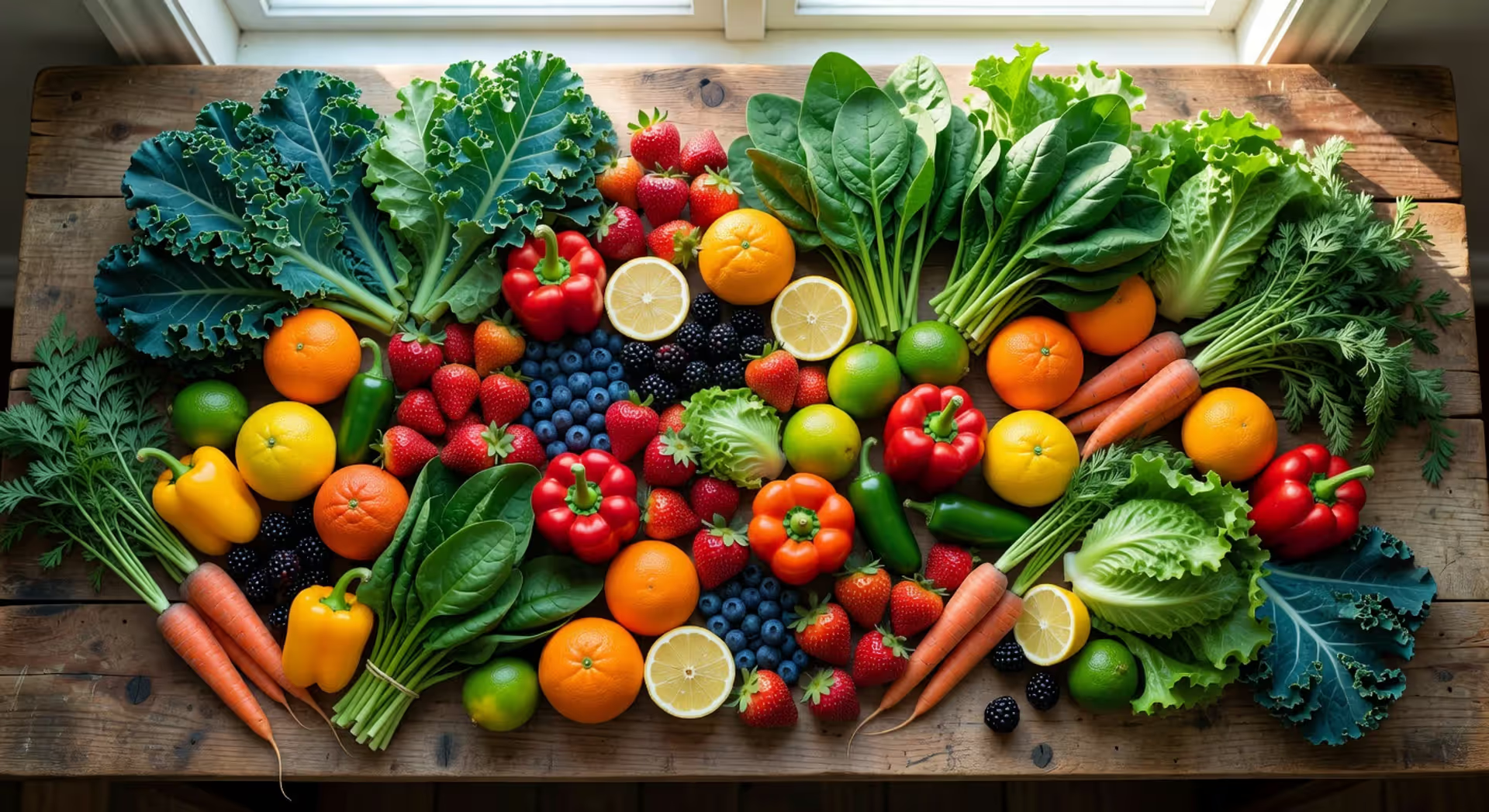
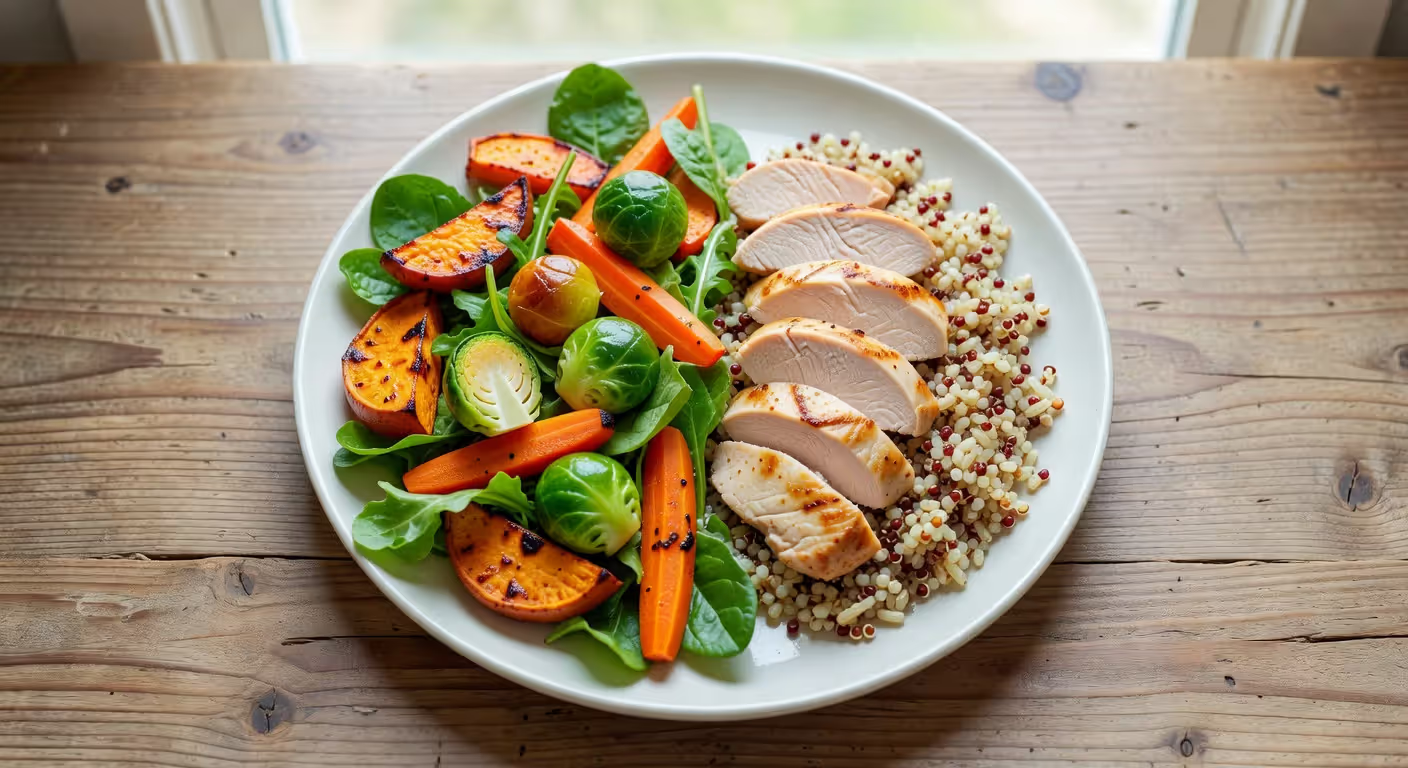
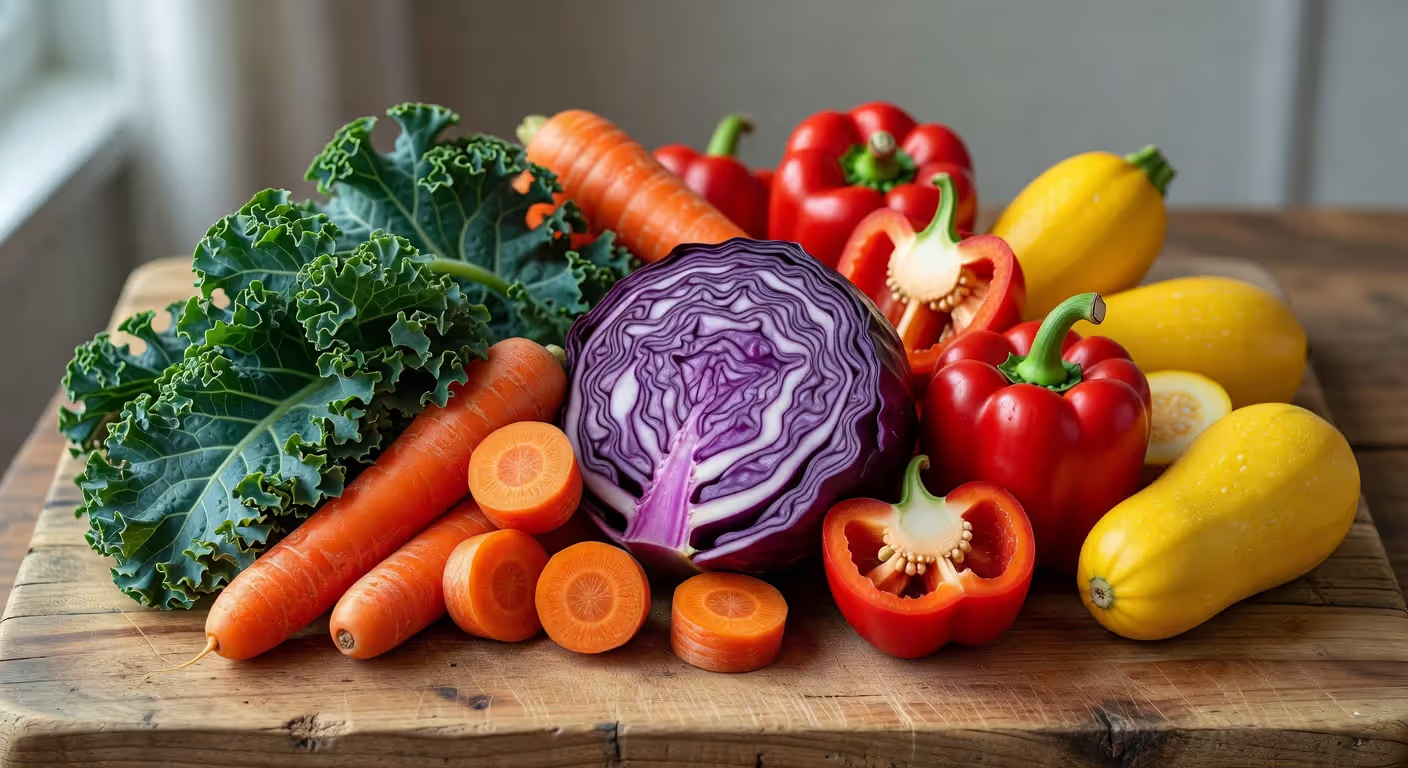
Getting enough fruits and veggies every day sounds simple. Yet most Americans fall short. Way short. Only about one in ten adults meets the daily recommendations for produce consumption. That's not because people don't know vegetables are healthy. It's because modern life makes it genuinely hard to prioritize fresh food when you're juggling work, family, and everything else. The truth is simpler than you think: sustainable progress matters more than flawless execution. What you need is a realistic approach that actually works with your schedule.
Why Eating Fruits and Vegetables Matters for Your Health
The fruit and vegetable benefits extend well beyond childhood dinner table lectures. These foods deliver concentrated nutrition in forms your body recognizes and uses efficiently.
Disease prevention tops the list. Research demonstrates that higher produce consumption correlates with reduced incidence of heart disease, stroke, type 2 diabetes, and specific cancers. The protective plant compounds—antioxidants, polyphenols, flavonoids—interact in sophisticated ways that isolated supplements cannot duplicate.
Your immune system depends on the vitamins and minerals present in produce. Vitamin C, vitamin A, folate, and zinc each serve distinct functions in maintaining your defenses. The advantages extend beyond illness prevention, though. The benefits of eating vegetables manifest in sustained energy, improved skin quality, and sharper mental function.
Weight management becomes more straightforward when produce occupies half your plate. Fruits and veggies deliver low calorie density paired with high volume and fiber content. This combination creates satiety without excessive calorie consumption. The fiber also moderates digestion speed, stabilizing blood sugar and reducing cravings.
Something I've observed repeatedly: increasing produce intake naturally displaces less nutritious foods. This isn't about deprivation—it's about making better options the path of least resistance.
How Many Servings of Fruits and Vegetables Do You Actually Need
The USDA guidelines offer more specificity than the simplified "five a day" message. Your requirements vary based on age, gender, and activity level. Most adults should target 1.5 to 2 cups of fruit and 2 to 3 cups of vegetables daily.
Here's how needs differ across groups:
Age/Gender Group
Daily Fruit Servings
Daily Vegetable Servings
Children 2-8 years
1 to 1.5 cups
1 to 1.5 cups
Children 9-13 years
1.5 cups
2 to 2.5 cups
Teen girls 14-18
1.5 cups
2.5 cups
Teen boys 14-18
2 cups
3 cups
Adult women 19-59
1.5 to 2 cups
2.5 cups
Adult men 19-59
2 cups
3 to 3.5 cups
Seniors 60+
1.5 to 2 cups
2 to 2.5 cups
Understanding serving sizes clarifies the math. One cup of raw leafy greens, half a cup of cooked vegetables, or a medium piece of fruit each count as one serving. That large apple you grabbed? It likely equals two servings. Your morning smoothie might contain multiple servings of fruits and vegetables if you packed it thoughtfully.
The confusion typically stems from conflating servings with portions. A serving represents a standardized measurement for tracking. A portion reflects what actually lands on your plate. These rarely match perfectly.
Skip the stress about hitting precise numbers daily. Weekly averages provide a more realistic framework. Managed only one serving on Monday? Compensate on Tuesday with extra helpings. The objective is sustained consistency, not meal-by-meal perfection.
The evidence is overwhelming: higher fruit and vegetable intake is associated with a 20-30% reduction in cardiovascular disease risk. We're talking about one of the most powerful dietary interventions available, yet it remains underutilized in clinical practice.
Health Benefits of Eating More Vegetables
Vegetables warrant dedicated attention because the benefits of eating vegetables prove particularly remarkable. They represent nutritional density with virtually no drawbacks.
Fiber leads the benefit list. Most Americans consume only about half the recommended 25-35 grams daily. Vegetables bridge that gap efficiently. Fiber nourishes beneficial gut bacteria, supports regular digestion, reduces cholesterol, and moderates blood sugar. Broccoli, Brussels sprouts, carrots, and leafy greens all deliver substantial amounts.
Vitamin and mineral profiles shift by color. Dark leafy greens supply calcium, iron, and vitamin K. Orange varieties like sweet potatoes and carrots deliver beta-carotene for vision support. Red peppers contain more vitamin C than citrus fruits. Purple vegetables offer anthocyanins that support cognitive function.
Eating more vegetables directly addresses chronic disease risk. Research indicates that increased daily vegetable intake shows inverse relationships with hypertension, metabolic syndrome, and inflammatory conditions. The phytochemicals present in vegetables—compounds like sulforaphane in broccoli and lycopene in tomatoes—provide cellular-level protection.
Something that catches people off guard: exotic superfoods aren't necessary. Standard vegetables from your neighborhood grocery store deliver equivalent advantages. Frozen options frequently preserve more nutrients than "fresh" items that spent days traveling.
Variety drives optimal nutrition. Rotating through the same three vegetables restricts your nutrient spectrum. Target different color families across the week. Each hue signals distinct compounds your body requires.
Proven Benefits of Adding More Fruit to Your Diet
Fruit faces undeserved criticism regarding sugar content. Natural sugars in whole fruit arrive bundled with fiber, water, and nutrients that processed sweets completely lack.
Antioxidants in fruit demonstrate particular potency. Berries rank among foods with the most concentrated antioxidant content available. These molecules combat free radicals that harm cells and promote premature aging. Citrus fruits supply vitamin C and flavonoids supporting immune response and skin integrity.
Cardiovascular health improves with consistent fruit consumption. Potassium in bananas and melons regulates blood pressure. Fiber in apples and pears decreases LDL cholesterol. Research demonstrates that individuals consuming two or more fruit servings daily show markedly lower cardiovascular disease rates.
Water content deserves more attention than it typically receives. Many fruits contain 80-90% water by weight. Watermelon, strawberries, and oranges all contribute meaningfully to daily fluid requirements. This becomes especially relevant during hot weather or for those who struggle with plain water intake.
The fruit and vegetable benefits operate synergistically. Consuming both categories together delivers a wider nutrient array than emphasizing only one. Vitamins in fruit enhance mineral uptake from vegetables. Fiber in both supports digestive health through complementary mechanisms.
One frequent error: substituting fruit juice for whole fruit. Juicing eliminates fiber while concentrating sugars, creating rapid blood glucose elevation. An eight-ounce glass of orange juice packs the sugar content of three oranges minus the satiating fiber. Intact fruit consistently represents the superior option.
Simple Ways to Increase Your Daily Vegetable Intake
Theory means nothing without actionable tactics. Here's how to genuinely eat more vegetables without restructuring your entire existence.
Begin with breakfast. Most people consume zero vegetables before noon. That represents wasted opportunity. Spinach in scrambled eggs requires thirty seconds. Yesterday's roasted vegetables on toast with avocado creates a complete meal. Even incorporating tomato and cucumber into your morning counts toward daily vegetable intake.
Meal prep delivers consistent results. Wash and chop vegetables immediately after shopping. Roast large batches on Sunday afternoons. Store them in transparent containers at eye level in your refrigerator. Visibility drives consumption.
The stealth incorporation approach works reliably. Puree spinach into smoothies. Shred zucchini into tomato sauce. Combine riced cauliflower with standard rice. Fold finely chopped mushrooms into ground meat mixtures. Children won't detect the additions. You might not either.
Shopping patterns influence outcomes. Purchase pre-cut vegetables when time constraints exist. Yes, convenience costs extra. But you'll actually consume them. Frozen vegetables match fresh nutritionally and last months. Maintain freezer inventory of broccoli, mixed vegetables, and stir-fry combinations.
Integrate vegetables into existing meals rather than positioning them as separate sides. Incorporate vegetables into soups, stews, one-pot meals, and pasta preparations. Make them the meal foundation instead of an optional addition.
Experiment with preparation methods. Roasting transforms vegetables that taste bland when steamed. Air frying creates crispy Brussels sprouts. Grilling imparts smoky depth to zucchini and peppers. Proper technique dramatically affects palatability.
Establish a visual target: vegetables should cover half your plate at lunch and dinner. This straightforward guideline automates portion control. You'll instinctively reduce other components.
Common Mistakes That Keep You From Eating Enough Produce
Budget worries feel legitimate but frequently exceed reality. Organic berries carry premium prices. But bananas, carrots, cabbage, and apples remain affordable year-round. Frozen vegetables cost less per serving than nearly any alternative food. A frozen broccoli bag runs roughly two dollars and yields six servings.
Purchase seasonal produce. Summer tomatoes and winter squash cost fractions of off-season pricing. Monitor sales and stockpile frozen or canned versions during price drops.
Preparation time blocks more people than they acknowledge. The answer isn't creating more time—it's eliminating friction. Pre-washed salad greens, baby carrots, and cherry tomatoes need zero preparation. Microwavable steam bags cook vegetables in four minutes.
Batch cooking addresses the time challenge. Roast five pounds of vegetables simultaneously. You've created ready-to-eat produce for multiple days. Active time matches single-portion cooking.
Taste preferences deserve respect. Not everyone enjoys every vegetable. That's acceptable. Dozens of options exist. Dislike Brussels sprouts? Choose broccoli instead. Can't tolerate cooked spinach? Sample it raw in salads. Continue experimenting until you identify ten vegetables you genuinely enjoy.
Seasoning determines vegetable appeal. Plain steamed broccoli disappoints. Roasted broccoli with garlic, olive oil, and parmesan satisfies. Master fundamental seasoning techniques and vegetables become authentically appealing.
Storage problems create waste. Leafy greens wilt rapidly. Berries develop mold quickly. Apply proper storage methods: maintain greens in produce bags with paper towels absorbing excess moisture. Keep tomatoes at room temperature rather than refrigerated. Freeze vegetables approaching spoilage for smoothies or cooked applications.
The perfectionism trap undermines progress. Flawless execution isn't required. Adding one extra serving daily creates measurable impact. Two servings exceeds zero. Incremental progress outperforms unattainable perfection consistently.
FAQ: Fruits and Vegetables Questions Answered
Do frozen fruits and vegetables have the same nutritional value as fresh?
Absolutely, and frozen sometimes wins nutritionally. Produce designated for freezing gets harvested at peak ripeness and frozen within hours, preserving nutrients. "Fresh" grocery store produce might be days or weeks post-harvest, losing vitamins during transportation and shelf time. Frozen vegetables maintain vitamin C, B vitamins, and antioxidants exceptionally well. Texture changes slightly after freezing, but nutritional value remains comparable. Avoid frozen vegetables with added sauces or excessive sodium. Plain frozen produce matches fresh nutritionally while offering superior convenience.
Can I drink fruit juice instead of eating whole fruits?
Juice makes a poor substitute for intact fruit. Juicing strips away fiber while concentrating natural sugars. An eight-ounce apple juice serving contains approximately 24 grams of sugar with zero fiber. A whole apple delivers 19 grams of sugar plus 4 grams of fiber that slows absorption. Juice triggers sharper blood sugar spikes. You also bypass the chewing process, which activates satiety signals. Intact fruit maintains fullness longer and provides superior nutrient density per calorie. If you occasionally want juice, restrict portions to four ounces and combine with protein or fat to minimize blood sugar impact.
How do I know if I'm getting enough variety in my produce?
Apply the "rainbow eating" principle. Target multiple colors across the week because each color represents different phytonutrients. Red items like tomatoes and strawberries supply lycopene. Orange vegetables such as carrots offer beta-carotene. Green vegetables deliver chlorophyll and folate. Purple produce including eggplant and blueberries provides anthocyanins. Consuming at least three distinct colors daily suggests adequate variety. Monitor your intake for one week if uncertainty exists. Most people realize they've fallen into patterns with the same five vegetables repeatedly.
Should I buy organic fruits and vegetables?
Budget and priorities determine the answer. Organic produce contains reduced pesticide residues, which matters most for items consumed with edible skin. The Environmental Working Group's "Dirty Dozen" identifies produce with elevated pesticide levels: strawberries, spinach, kale, apples, grapes, and peaches typically appear. With limited budgets, purchase organic versions of these while selecting conventional options from the "Clean Fifteen" like avocados, corn, pineapple, and onions. However, eating conventional produce vastly exceeds eating no produce because organic seems unaffordable. Thoroughly wash all produce regardless of organic status.
Can vegetable supplements replace eating actual vegetables?
Supplements cannot replicate whole vegetable complexity. A vegetable contains hundreds of interacting compounds—fiber, vitamins, minerals, antioxidants, and phytochemicals science hasn't fully cataloged. Supplements isolate individual nutrients, missing these interactive effects. Vegetable fiber feeds gut bacteria and creates satiety. Pills can't deliver that. Research shows nutrients from whole foods achieve better absorption and utilization than synthetic alternatives. Supplements might address specific deficiencies, but they're designed to supplement healthy eating patterns, not substitute for them.
What's the easiest way to meal prep vegetables for the week?
Bulk roasting offers maximum simplicity. Chop available vegetables—broccoli, cauliflower, Brussels sprouts, peppers, zucchini, carrots. Toss with olive oil, salt, and pepper. Distribute across sheet pans and roast at 425°F for 20-30 minutes until caramelized edges appear. Cool completely, then portion into containers. They'll remain fresh five days refrigerated. Use as sides, incorporate into grain bowls, combine with pasta, or eat chilled in salads. Alternatively, prep raw vegetables: wash lettuce and store with paper towels, slice bell peppers and cucumber into sticks, portion cherry tomatoes and baby carrots. Visible ready-to-eat vegetables in your refrigerator dramatically increases consumption rates.
Meeting your daily servings of fruits and vegetables doesn't demand complete lifestyle transformation. Small, sustained modifications accumulate faster than expected. Begin with one additional serving tomorrow. Expand from that foundation. Your body will register the difference well before you achieve ideal numbers consistently.