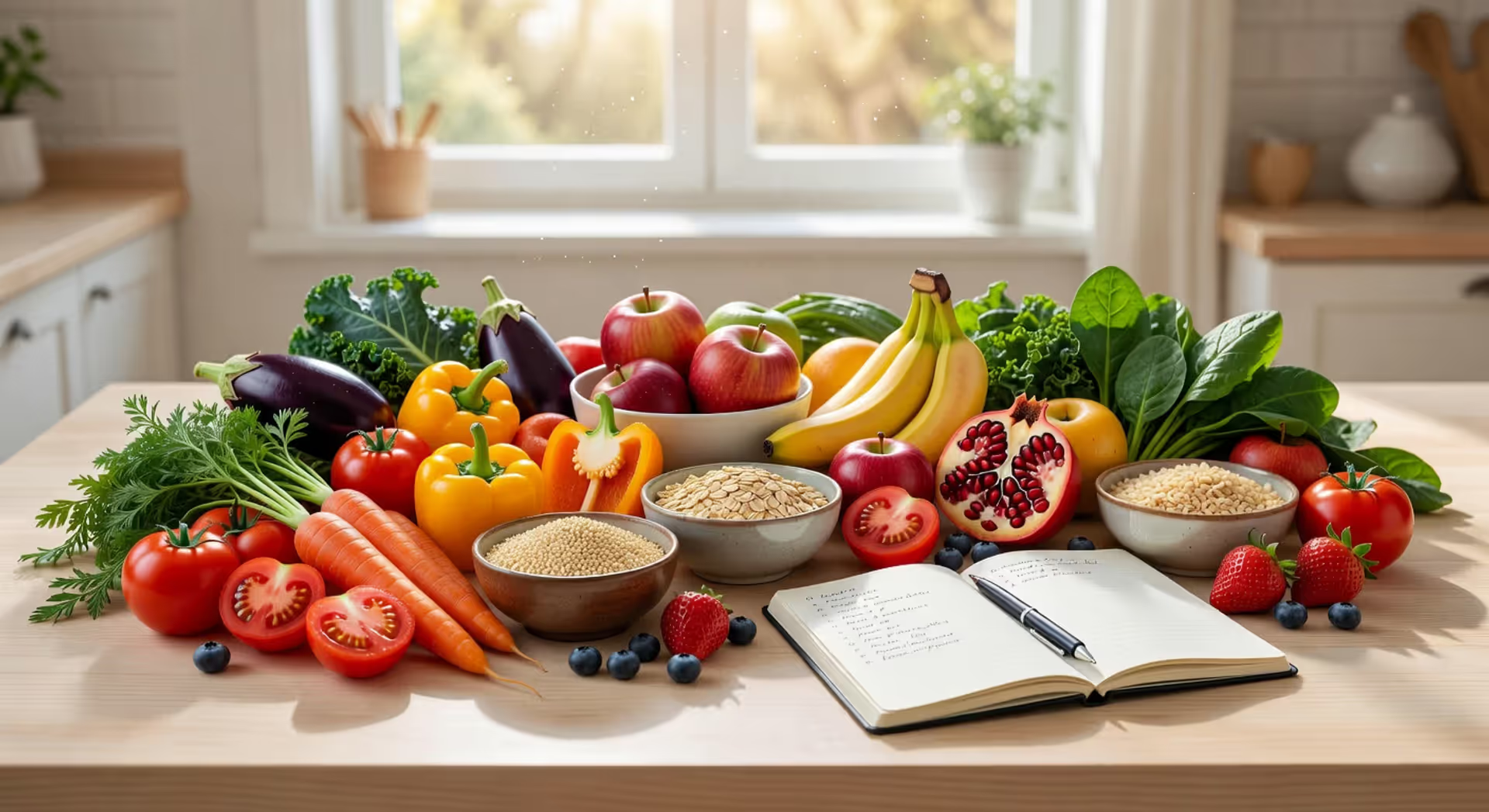
You don't need a complicated system to improve how you eat. Forget about restrictive diets that make you miserable or tracking spreadsheets that turn meals into math homework. What actually works is developing a straightforward framework that matches your daily routine, advances your wellness objectives, and doesn't require constant willpower. A healthy eating plan serves as your personal nutrition roadmap—a way to consistently fuel your body with nourishing meals while maintaining room for real-life flexibility and genuine enjoyment. Whether you want more energy throughout the day, better weight management, or simply to feel stronger and healthier, creating your own customized approach to eating represents one of the smartest investments you can make in yourself.
What Is a Healthy Eating Plan?
A healthy eating plan functions as your adaptable guide for making food decisions that enhance your wellbeing. Unlike diets with their strict limitations and banned ingredients, this approach emphasizes balance and includes diverse, nutrient-rich options from every major food category.
Balanced nutrition relies on several key elements working together: proteins, carbohydrates, fats, vitamins, minerals, and adequate hydration. Your body depends on each component for different critical operations. Proteins rebuild muscle tissue and repair cellular damage. Carbohydrates fuel your daily activities and power your workouts. Fats maintain cognitive function and keep your hormones working properly. Vitamins and minerals orchestrate everything from fighting infections to strengthening your skeleton.
Here's what separates a healthy eating plan from those restrictive diets you've probably tried before: it emphasizes abundance rather than deprivation. You'll focus on incorporating more vegetables, whole grains, and quality proteins into your routine—not because some diet book says you must, but because these foods genuinely improve how you feel and function every single day.
I've watched countless people jump on extreme diet trends that deliver results for maybe three weeks before they completely collapse from the effort. A sustainable eating plan sidesteps this exhausting pattern by establishing practices you can realistically maintain for decades, not just until you reach some arbitrary target weight.
Why Healthy Meal Planning Matters
Organizing your meals beforehand might seem like extra work, but it actually eliminates complications in multiple ways.
Time savings add up quickly. When you already know Thursday's dinner menu, you won't waste half an hour debating options while standing in your kitchen after an exhausting workday. Your ingredients are prepped and your strategy is clear.
Your wallet benefits too. Healthy meal planning cuts down on random purchases and prevents food from spoiling unused. Shopping with a detailed list tied to specific recipes means buying exactly what you'll actually use. You'll stop throwing money away on forgotten spinach that turned to slime or dairy products that expired before you remembered them.
The most valuable advantage? Eliminating decision exhaustion. Consider how many food-related choices you face daily. Breakfast options? Mid-morning snack? Lunch location? Restaurant or takeout for dinner? Every single decision depletes your mental reserves slightly. Planning meals upfront removes dozens of these daily micro-decisions, preserving your cognitive energy for genuinely important matters.
Healthy eating plans deliver nutritional consistency too. When you improvise constantly, your meals become haphazard—perhaps carb-heavy one day, completely lacking vegetables the next. Advance planning guarantees you're meeting your nutritional requirements all week long.
For anyone pursuing specific wellness objectives—stabilizing blood glucose, increasing muscle mass, or reducing chronic inflammation—meal planning becomes absolutely essential. Monitoring your advancement becomes straightforward when you have complete clarity about your daily intake.
Steps to Build Your Healthy Eating Plan
Creating a healthy eating plan requires personalization rather than following someone else's template. Here's your roadmap for developing something that genuinely works for your situation.
Assess Your Current Eating Habits
Improvement requires baseline awareness. Spend three to five days documenting everything you consume. Don't modify your behavior during this observation period—just record reality. Note your meals, between-meal snacks, approximate portions, and your physical and emotional state afterward.
Search for recurring themes. Are you rushing out without breakfast and then overeating at your desk? Do sugary foods call to you every afternoon around three? Are you consuming adequate protein? Enough vegetables? Sufficient water throughout the day?
This evaluation isn't an exercise in self-criticism. You're simply collecting information that enables strategic improvements.
Set Realistic Nutrition Goals
Using your assessment findings, select two or three targeted objectives. Make them measurable and genuinely achievable within your current lifestyle.
Rather than vague intentions like "improve my diet," get specific: "consume a minimum of four vegetable servings daily" or "drink ten cups of water before bedtime." Instead of outcome-focused goals like "shed twenty pounds," concentrate on controllable behaviors: "cook dinner at home at least six evenings weekly."
Modest, precise objectives build positive momentum. You can always expand once these initial changes become automatic habits.
Choose Foods from All Food Groups
Nutritional balance requires variety across categories. Different food groups deliver distinct nutrients, making all of them necessary for optimal health.
Every meal doesn't require representation from all categories, but you should incorporate them all across your full day.
Plan Your Weekly Meals
Dedicate twenty to thirty minutes weekly for meal planning. Sunday afternoons work well for many households, though you should select whatever timing suits your schedule best.
Begin with dinners since these typically present the biggest challenge. Select four or five recipes for the upcoming week. Repeating one or two favorites simplifies the process. Build in leftovers strategically—doubling Monday's recipe provides Tuesday's lunch automatically.
Next, map out breakfasts and lunches. These can be simpler and more repetitive without causing boredom. Plenty of people happily eat nearly identical breakfasts throughout the week.
Include snacks in your planning. Having nutritious options readily available prevents desperate vending machine raids or unplanned fast-food stops.
Prep Ingredients in Advance
Complete cooking ahead isn't necessary, but advance preparation dramatically speeds up weeknight meal assembly.
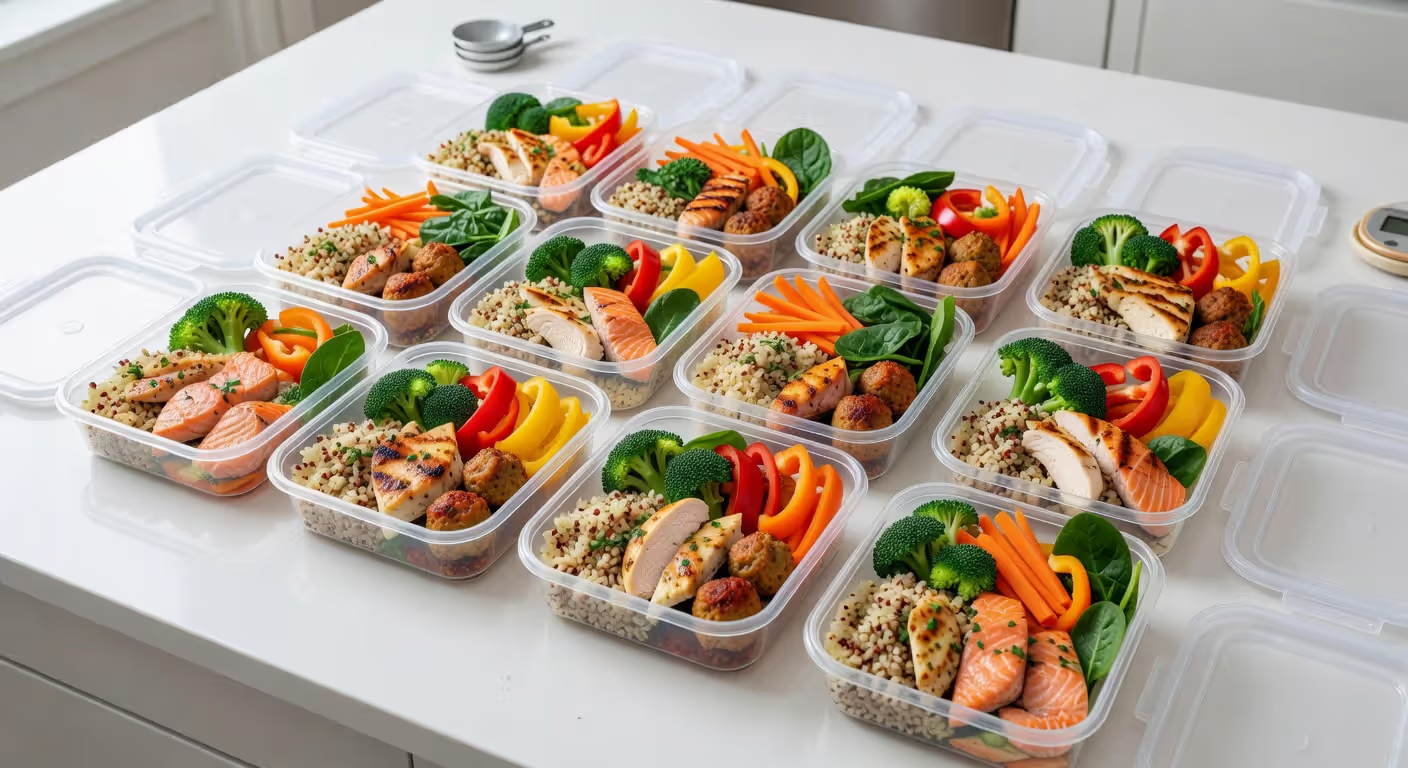
Wash and slice your vegetables. Prepare large batches of rice or other grains. Season and marinate your proteins. Divide snacks into individual portions using small containers. Even minor tasks like mincing garlic or pre-measuring spices can happen during your prep session.
Your objective is reducing friction. When components are ready for immediate use, you're far more likely to execute your planned meals successfully.
How to Start Eating Healthy for Beginners
If healthy eating is new territory for you, avoid attempting a complete transformation overnight. That approach practically guarantees failure.
Begin with straightforward substitutions. Trade soda for flavored sparkling water. Select whole grain options instead of refined white versions. Exchange chips for mixed nuts. These minor modifications accumulate significant benefits without demanding dramatic lifestyle changes.
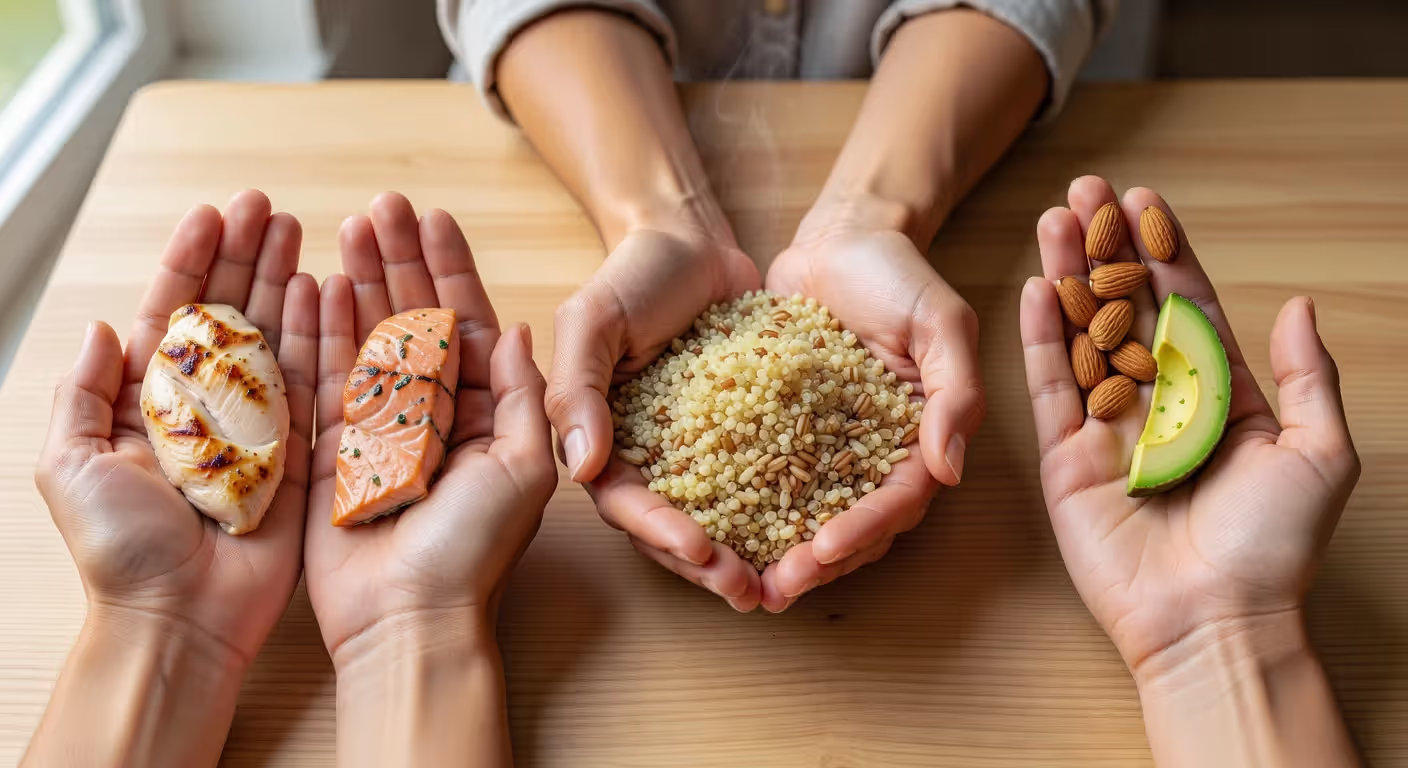
Understanding portion sizes matters. You don't need to weigh and measure everything obsessively, but recognizing appropriate portions helps tremendously. A protein portion roughly matches your palm's size. Grains should fill your cupped hand. A fat serving approximates your thumb's dimensions.
Begin examining nutrition labels. Concentrate on three elements: serving size (many containers hold multiple servings), added sugar content, and sodium levels. You'll discover surprising amounts of sugar hiding in products that don't taste particularly sweet.
During grocery trips, spend most of your time around the store's perimeter where fresh items are located. Interior aisles house the majority of processed products. Load your cart with produce, quality proteins, dairy items, and whole grains before exploring other sections.
Watch for typical beginner mistakes. Don't eliminate meals thinking it accelerates weight loss—this strategy typically backfires by creating intense hunger later. Don't remove entire food categories without legitimate medical necessity. And don't demand perfection from yourself. One suboptimal meal doesn't derail your overall progress.
The straightforward approach consistently wins here. Elaborate plans featuring unusual ingredients and complex recipes sound appealing theoretically but rarely survive the chaos of actual daily life.
Building a Balanced Diet: What to Include
Grasping macronutrients—proteins, carbohydrates, and fats—enables you to construct well-rounded meals. Each fulfills distinct purposes and deserves inclusion in your daily nutrition.
Macronutrient
Primary Function
Recommended Daily Intake
Healthy Food Sources
Protein
Reconstructs and maintains tissue, strengthens immune response, preserves lean muscle
0.8-1.0 grams per kilogram body weight (approximately 46-56 grams for average adults)
20-35% of total daily calories (approximately 44-78 grams for a 2,000-calorie intake)
Olive oil, avocados, nuts, seeds, fatty fish like salmon and mackerel, nut butters, flaxseeds
Quality proteins deserve a place at most meals. They extend satiety and maintain muscle tissue, which becomes increasingly critical with age. Active individuals typically require slightly elevated protein beyond baseline recommendations.
Unrefined grains deliver steady energy without the glucose spikes caused by processed grain products. They also supply dietary fiber, B-complex vitamins, and essential minerals. The distinction between whole wheat and white bread extends beyond health considerations—whole grains genuinely maintain satisfaction longer.
Produce represents where most Americans fall significantly short. Target a minimum of five servings daily, emphasizing diversity. Various colors indicate different nutritional compounds. Dark leafy greens supply iron and calcium. Orange-hued vegetables deliver beta-carotene for vitamin A. Berries pack powerful antioxidants.
Beneficial fats receive undeserved criticism for causing weight gain, yet they're absolutely essential for health. Nearly sixty percent of your brain consists of fatty tissue. Several vitamins require fat for proper absorption. Simply prioritize unsaturated fats from plant sources and fish over saturated fats from processed items.
Don't overlook hydration either. Water regulates your temperature, transports nutrients throughout your system, eliminates metabolic waste, and cushions your joints. Most adults require eight to ten cups daily, with increased needs for active individuals or hot climates.
The most successful eating pattern is the one you can stick with. Sustainability trumps perfection every time. Rather than searching for the "best" diet, focus on building a healthy eating plan that fits your preferences, culture, and lifestyle.
Common Mistakes When Starting Healthy Eating Plans
Despite genuine motivation, people repeatedly encounter the same obstacles when improving their eating habits.
Excessive restriction tops the list of common errors. When you categorize foods into "acceptable" and "forbidden" camps while attempting to eliminate entire groups, you establish an impossible situation. Deprivation typically triggers intense cravings, followed by overindulgence, followed by shame and guilt. Instead, pursue balance and reasonable moderation. Incorporate treats in sensible portions rather than attempting complete avoidance.
Eliminating meals represents another frequent misstep. Some individuals believe skipping breakfast or lunch will decrease their total intake. Occasionally this works, but more commonly it just creates extreme hunger later, resulting in overeating and poor decisions when you finally do consume food.
Disregarding hunger signals creates additional problems. Your body communicates for good reasons. When you experience genuine hunger, consume something nutritious. Eating from boredom or emotional stress differs entirely—but attempting to ignore authentic hunger signals rarely succeeds long-term.
Failing to plan for chaotic days guarantees setbacks. Life becomes hectic unexpectedly. Without backup strategies for those occasions when you're running behind schedule or working late hours, you'll default to whatever's most convenient—typically fast food or delivery services.
Abandoning efforts prematurely might constitute the largest mistake of all. Dramatic transformations won't appear overnight. Lasting changes require time before showing measurable effects. Most individuals need at least three to four weeks before new eating patterns start feeling natural. Push through that initial awkward adjustment phase.
Here's something counterintuitive: eating healthily doesn't necessarily mean eating smaller amounts. Frequently it means consuming more—more vegetables, more fiber-rich foods, more whole ingredients. These foods contain fewer calories per volume than processed alternatives, allowing you to eat larger quantities while still advancing your health objectives.
Frequently Asked Questions About Healthy Eating
How much time does healthy meal planning take each week?
Planning itself requires approximately 20-30 minutes once you develop familiarity with the process. Grocery shopping adds another 45-60 minutes, while meal preparation typically demands one to two hours on your designated prep day. Total weekly investment runs around three hours. That might initially seem substantial, but it actually recovers time during weeknights when you're not scrambling to figure out dinner or sitting in drive-through lanes. Most people discover they reclaim four to six hours weekly once their routine becomes established.
Is eating nutritiously possible with limited money?
Definitely. Nutritious eating doesn't demand exotic superfoods or exclusively organic products. Concentrate on budget-friendly basics: dried beans and lentils, eggs, frozen vegetable options, bulk whole grains, seasonal fresh produce, and canned fish. Generic store brands deliver equivalent nutrition compared to premium brands. Purchasing raw ingredients and preparing meals from scratch costs substantially less than buying prepared items or dining out. A thoughtfully organized healthy eating plan frequently reduces food expenses because you're wasting less and avoiding unplanned purchases.
What if cooking isn't something I enjoy?
You don't need culinary expertise to eat nutritiously. Begin with extremely basic recipes requiring minimal technique—consider sheet pan dinners where everything gets tossed together and baked, or slow cooker preparations where you add ingredients in the morning and return home to a ready meal. Many nutritious meals need zero cooking: salads topped with rotisserie chicken, yogurt bowls with fruit and nuts, whole grain wraps filled with hummus and raw vegetables. As your confidence grows, you might discover cooking becomes more enjoyable than anticipated. But if not, maintaining simplicity works perfectly fine.
How should I manage food cravings?
First, differentiate between genuine physical hunger and cravings triggered by emotions or established patterns. If you're truly hungry, consume a balanced meal or substantial snack. For cravings, try pausing 10-15 minutes—they frequently diminish on their own. Maintain adequate hydration since thirst sometimes disguises itself as hunger. Incorporate modest portions of craved foods into your regular rotation so they don't become forbidden temptations that eventually trigger binges. And analyze the patterns: if you consistently crave sweets every afternoon at three o'clock, perhaps you need a more substantial lunch or a protein-rich afternoon snack.
Can I dine at restaurants while maintaining my healthy eating plan?
Absolutely, restaurant meals can integrate into your healthy eating framework. Select establishments offering balanced menu options. Look for grilled or baked proteins rather than fried preparations. Request condiments and dressings served separately so you control amounts. Begin with a salad or vegetable-focused appetizer. Share oversized entrees or immediately box half for tomorrow's lunch. Many restaurants now publish nutrition details online, enabling advance planning. The critical factor is making restaurant dining an intentional occasional choice rather than your everyday default.
Is calorie counting necessary?
Most individuals don't need calorie tracking if they're primarily eating whole foods while remaining attentive to portion sizes and hunger signals. Calorie monitoring can prove useful for certain people, particularly if you have precise objectives or if you tend to dramatically under- or overestimate your consumption. But it's not universally necessary, and for some individuals it becomes obsessive or creates stress. Prioritize food quality and meal balance initially. If you're not achieving desired results after several weeks, then you might consider more detailed tracking to identify specific issues.
Developing a healthy eating plan that genuinely succeeds means establishing sustainable practices that integrate with your actual daily existence. You don't need flawless execution or convoluted regulations. Begin with modest modifications, plan ahead whenever possible, and extend yourself compassion when circumstances don't unfold exactly as intended. The objective isn't adhering to some rigid diet—it's cultivating a flexible, positive relationship with food that supports your health and vitality for years ahead. Approach it one meal at a time, and remember that consistent progress matters infinitely more than unattainable perfection.