You've probably heard friends raving about intermittent fasting, seen countless before-and-after photos on social media, or stumbled across influencers claiming it changed their lives. But here's what actually matters: does the biology support these claims, or is this just another diet trend that'll fade away? The truth is, fasting weight loss works through specific metabolic processes that scientists have studied extensively—and when you grasp these mechanisms, you can decide whether this approach fits your goals. This guide breaks down exactly what's happening inside your cells during fasting, which schedules produce real outcomes, and how to build a sustainable plan without the usual trial-and-error frustration.
What Happens to Your Body During Fasting
Stop eating for a few hours, and your body immediately starts changing how it operates.
Your liver and muscles store roughly 2,000 calories worth of glucose as glycogen. During the first 8-12 hours without food, your system burns through these reserves. Once glycogen runs low, your metabolism flips a biological switch—it starts dismantling stored fat for energy. This process, called lipolysis, breaks down triglycerides into fatty acids. Your liver then converts these acids into ketone bodies, which your brain and muscles use as premium fuel.
Insulin levels drop significantly after 12-16 hours of fasting. Lower insulin does two things: it makes your cells more responsive to insulin when you do eat (reducing diabetes risk), and it signals your body to actually release stored fat. When insulin stays elevated from constant eating, your fat cells stay locked up tight.
Around the same time, human growth hormone can spike dramatically—some studies show increases of 300-500%. This hormone protects your muscle mass while you're losing weight fasting, which is why fasting differs from simple calorie restriction that often burns muscle along with fat.
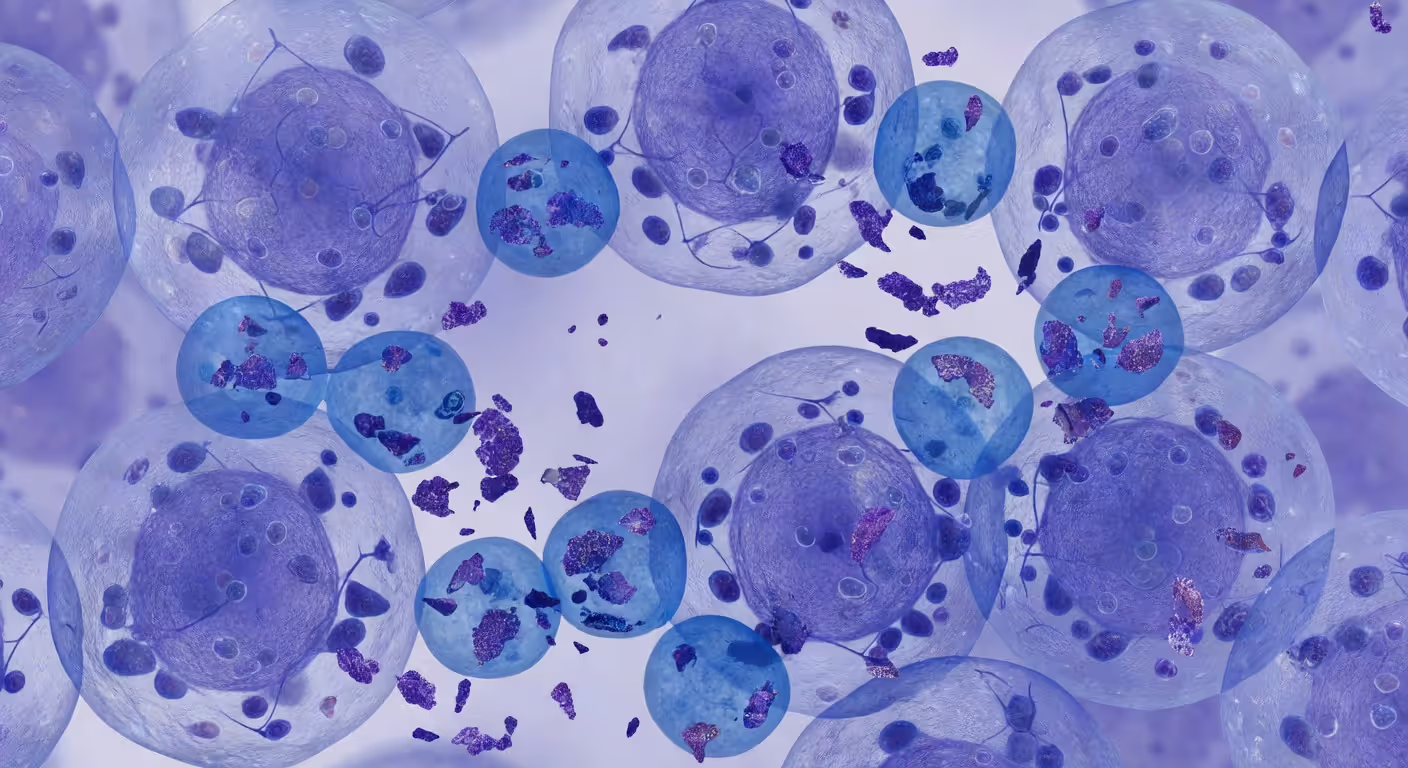
Something remarkable happens at the 16-hour mark: autophagy kicks into higher gear. Think of this as your cells taking out the trash. Damaged proteins, dysfunctional mitochondria, and cellular junk get broken down and recycled. Your body literally cleans house at the molecular level, removing debris that contributes to aging and disease.
Here's the surprising part: you don't need to fast for days to trigger these changes. A standard 16-hour overnight fast activates most of these pathways.
Popular Intermittent Fasting Schedules for Weight Loss
Let's cut through the confusion and look at what actually works in real-world practice.
16:8 Method: You fast for 16 hours, then eat all your meals within an 8-hour window. Most people skip breakfast, eat their first meal around noon, and finish dinner by 8 PM. This intermittent fasting schedule works because you're asleep for half the fasting period—it's easier than it sounds.
5:2 Diet: Eat normally five days per week. On two non-consecutive days, drop your intake to 500-600 calories. You're not fasting daily, which appeals to people who hate rigid schedules. The catch? Those two low-calorie days require serious planning and willpower.
OMAD (One Meal A Day): Exactly what it sounds like—you eat one meal in a 1-hour window, then fast for 23 hours. It's efficient and produces fast results, but it's also intense. Not recommended for beginners.
Alternate-Day Fasting: Fast completely (or eat just 500 calories) every other day. Studies show impressive weight loss with this pattern, but the difficulty level is high. Most people struggle to maintain this long-term.
Here's how they compare side-by-side:
Fasting Method
Fast Duration
When You Eat
How Hard Is It
Typical Weekly Loss
Who It Fits
16:8
16 hours daily
8-hour daily window
Easy
1–2 pounds
Complete beginners
5:2
2 days weekly
Normal 5 days, restricted 2 days
Moderate
1.5–2.5 pounds
People with experience dieting
OMAD
23 hours daily
1-hour daily window
Hard
2–3 pounds
Experienced fasters only
Alternate-Day
Every other day
24-hour cycles
Very hard
2–4 pounds
Advanced users
Which Schedule Works Best for Beginners
Start with 16:8. Period.
This method has the highest success rate because it doesn't feel like deprivation. You can ease into it gradually—start with a 12-hour overnight fast (say, 8 PM to 8 AM), then push breakfast to 10 AM for a few days, then to noon. Most people adapt within 10-14 days without feeling miserable.
The 5:2 approach works well if your schedule varies wildly week to week. You can plan your 500-calorie days around social events and work commitments. But those restricted days can feel brutal, especially at first.
Don't touch OMAD or alternate-day fasting until you've successfully maintained 16:8 for at least a month. Jumping straight into aggressive protocols is the fastest way to burn out and quit entirely.
Creating Your Fasting Weight Loss Plan
Picking a fasting window is just step one. Here's how to build an intermittent fasting plan for weight loss that actually sticks.
Step 1: Match the Schedule to Your Life Choose based on your daily rhythm, not what sounds most impressive. Wake up starving? An earlier eating window (8 AM–4 PM) might work better. Love dinner with family? Push your window later (noon–8 PM). The best protocol is the one you'll actually follow.
Step 2: Set Realistic Expectations Aim for 0.5–2 pounds weekly. Faster losses usually mean you're cutting calories too aggressively, which tanks your metabolism and triggers rebound weight gain. Measure your starting weight, take photos from front and side angles, and note how your clothes fit—the scale doesn't tell the whole story.
Step 3: Plan What You'll Actually Eat Your eating window matters as much as your fasting window. Load up on whole foods: lean proteins, vegetables, healthy fats, and whole grains. If you break your fast with donuts and pizza, you'll stay hungry and nutrient-deficient all day.
Try this structure:
First meal: Protein plus fiber (three-egg omelet with spinach, or Greek yogurt with berries and almonds)
Main meal: Balanced plate with protein, lots of vegetables, and moderate carbs
Optional snack: Handful of nuts, an apple, or carrots with hummus
Step 4: Drink Enough Water Black coffee, plain tea, and water won't break your fast. Aim for at least eight glasses of water daily. During fasting hours, your body often mistakes thirst for hunger—staying hydrated makes fasting significantly easier.
Step 5: Track Progress Without Obsessing Weigh yourself once weekly at the same time (ideally first thing in the morning). Take progress photos every two weeks. Pay attention to energy levels, sleep quality, and how you feel—these indicators matter more than daily weight fluctuations.
The biggest mistake? People follow their fasting weight loss plan perfectly for 10 days, then have one off-plan meal at a birthday party and think they've ruined everything. You haven't. One meal doesn't erase consistent effort. Just return to your normal schedule the next day.
Does Fasting Heal the Body Beyond Weight Loss
Weight loss gets the headlines, but the cellular benefits run much deeper.
Autophagy does more than routine housekeeping. It destroys defective mitochondria (your cells' power plants), eliminates misfolded proteins linked to Alzheimer's and Parkinson's, and may slow cellular aging. Animal research shows intermittent fasting can extend lifespan by 10–30%. Human longevity studies are still ongoing, but early results look promising.
Chronic inflammation drives most modern diseases—heart disease, diabetes, cancer, dementia. Fasting consistently reduces inflammatory markers like C-reactive protein and interleukin-6 in blood tests. Lower inflammation means lower disease risk across the board.
Brain health shows particularly interesting benefits. Fasting increases production of brain-derived neurotrophic factor (BDNF), a protein that supports neuron growth and protects against cognitive decline. Some researchers believe this explains why does fasting heal the body in ways that might reduce dementia risk.
Intermittent fasting triggers adaptive cellular stress responses that enhance mitochondrial health, autophagy, and DNA repair. These mechanisms explain why fasting can improve metabolic health beyond simple calorie restriction.
Your immune system gets a reset during fasting periods. Research shows that 24–48 hour fasts can trigger stem cell regeneration of immune cells—essentially rebooting parts of your immune system. Shorter daily fasting windows likely produce milder versions of this effect.
Is fasting a miracle cure? No. But it activates repair mechanisms that our ancestors experienced regularly through food scarcity, while our modern constant-grazing lifestyle never engages them.
Common Mistakes That Slow Down Weight Loss While Fasting
You can nail your intermittent fasting routine and still sabotage your results. Watch out for these traps.
Overeating During Your Window Fasting doesn't give you permission to binge. If your body needs 1,800 calories daily and you pack 2,800 into your eating window, you won't lose weight—you might even gain. Track your intake for a few days to see what you're actually consuming versus what you think you're eating.
Choosing Junk Over Nutrition Breaking your fast with processed foods and sugar leaves you ravenous an hour later. Protein and fiber keep you satisfied. Refined carbs and sugar spike your insulin, then crash it, leaving you craving more junk. Food quality determines how easy or miserable losing weight fasting feels.
Skipping Water Dehydration slows your metabolism, increases hunger signals, and makes fasting unnecessarily difficult. Coffee counts toward hydration, but don't rely on it exclusively. Plain water should be your primary beverage.
Inconsistent Timing Following your schedule Monday through Friday, then abandoning it on weekends prevents your body from adapting. Your metabolism needs consistency to optimize fat-burning efficiency. If you need flexibility, shift your window by an hour or two—don't throw out the structure completely.
Mistaking Cravings for Hunger There's a massive difference between "I'm bored and want a snack" and "my body needs fuel." Learning this distinction is crucial. Real hunger builds gradually. Cravings hit suddenly and fixate on specific foods (usually sweets or chips).
The solution is straightforward: stick to your schedule, eat real food, drink plenty of water, and be honest about portions.
Who Should Avoid Fasting or Consult a Doctor First
Intermittent fasting isn't safe for everyone. Some people should skip it or get medical clearance first.
Medical Conditions If you have diabetes (especially Type 1), low blood pressure, or a history of eating disorders, talk to your doctor before trying any fasting protocol. Fasting dramatically affects blood sugar and insulin—if you take diabetes medications, your doses will likely need adjustment to prevent dangerous lows.
People with GERD get mixed results. Some find fasting worsens their reflux while others improve. It varies by individual.
Medications Many prescription drugs require food for proper absorption. Others affect blood sugar or blood pressure in ways that fasting can amplify dangerously. If you take any prescription medications, discuss timing and safety with your doctor before starting an intermittent fasting plan for weight loss.
Pregnancy and Nursing Skip fasting entirely if you're pregnant or breastfeeding. Your nutritional needs increase substantially during these periods, and restricting eating windows can compromise milk supply and fetal development.
History of Disordered Eating Anyone with past anorexia, bulimia, or binge eating disorder risks triggering a relapse with structured fasting. The rigid rules can become an unhealthy obsession. This is an absolute no-go without professional mental health supervision.
Serious Athletes If you're training twice daily, competing in sports, or doing intense strength programs, you need strategic nutrient timing around workouts. A fasting weight loss plan designed for sedentary people won't support your performance or recovery needs.
When in doubt, consult professionals. A registered dietitian or physician experienced with fasting can assess whether this approach fits your specific situation.
Frequently Asked Questions About Fasting for Weight Loss
What's a realistic monthly weight loss target with this approach?
Most people lose 4–8 pounds in their first month, though initial drops often include water weight. Sustainable fat loss averages 1–2 pounds weekly. Your results depend on your starting weight, which protocol you choose, what you eat during your window, and your activity level. Heavier individuals typically see faster initial progress, while people closer to their goal weight lose more slowly but steadily.
What beverages are allowed during the fasting window?
Black coffee, plain tea, and water are all fine—they contain virtually no calories and don't trigger insulin release. You can add a splash of unsweetened almond milk or a teaspoon of MCT oil without significantly affecting your metabolic state, though purists avoid all additions. Skip sugar, artificial sweeteners, regular milk, and flavored creamers—these break your fast by spiking insulin.
Does this approach tank your metabolism?
Short fasting periods (16–24 hours) don't slow your metabolic rate. Research actually shows temporary metabolism increases of 3–14% due to norepinephrine elevation. Your body only enters energy-conservation mode after roughly 72 continuous hours without food. Daily intermittent fasting schedules avoid this starvation response because you're eating adequate nutrition regularly—just in a compressed timeframe.
When will you notice actual changes?
Visible changes typically appear within 2–4 weeks of consistent practice. Week one often shows dramatic scale drops (mostly water), followed by steadier fat loss. Clothing fits differently around weeks 3–4. Energy improvements and mental clarity often show up within the first week, before significant weight changes. Give any new fasting routine at least 30 days before judging its effectiveness.
What's the best way to end a fast?
Start with easily digestible foods that won't shock your digestive system. A moderate protein serving with vegetables works well—try scrambled eggs with kale, or grilled salmon with a mixed salad. Avoid breaking your fast with heavy, processed, or high-sugar foods that can trigger blood sugar crashes and digestive upset. If you've fasted longer than 24 hours, reintroduce food gradually with bone broth or light soup before moving to solid meals.
Should you expect fatigue initially?
Yes, feeling tired during the first 5-7 days is completely normal. Your metabolism is learning to efficiently burn fat instead of relying on constant glucose. You might also experience headaches, irritability, or brain fog—these are adaptation symptoms. They typically disappear within 5–10 days as your metabolic flexibility improves. Stay hydrated, get adequate sleep, and consider adding electrolytes to your water. If exhaustion continues beyond two weeks, reassess your eating window nutrition or consult a professional.
Fasting weight loss works because it aligns with eating patterns human metabolism evolved to handle—periods of eating alternating with periods of not eating. Success comes down to finding an intermittent fasting schedule that fits your lifestyle, eating nutrient-dense foods during your window, and giving your body time to adapt. Start conservatively, track what works for your body specifically, and adjust based on real results. The most effective fasting weight loss plan isn't the most extreme one—it's the sustainable approach you can maintain long enough to achieve lasting, meaningful results.