How Collagen Synthesis Works and How to Support It?
Right now, while you're reading this, your cells are busy assembling collagen—threading together amino acids in your skin, weaving structural support through your joints, reinforcing your bones. Most people don't think twice about this constant cellular construction work until something goes wrong: skin that suddenly looks tired, knees that ache after a run, or wounds that heal slower than they used to. The truth is, you've got way more influence over this process than you probably realize. Understanding collagen synthesis—the actual nuts and bolts of how your body builds this crucial protein—changes everything about how you eat, what supplements might actually help, and which daily habits matter most.
What Is Collagen Synthesis and Why It Matters
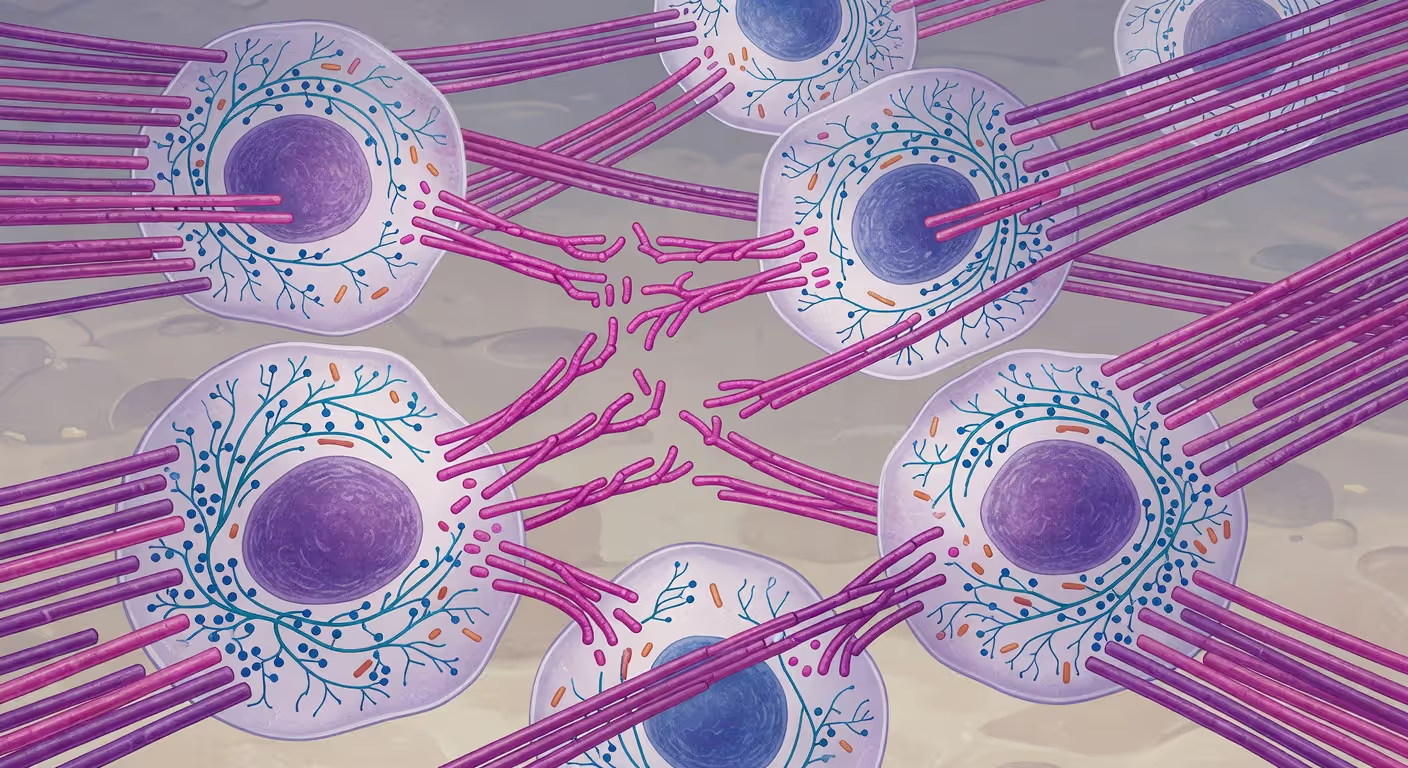
Collagen synthesis is your body's assembly line for creating collagen proteins from scratch. Think of fibroblasts—specialized cells scattered throughout your connective tissues—as tiny factories. They gather amino acids, add some enzymatic magic plus essential helper molecules, and construct the collagen that literally holds you together.
Why should you care? Collagen makes up about 30% of all protein in your body. Your skin's firmness? That's collagen. The cushioning between your bones? Collagen-based cartilage. Your skeletal strength, the springiness in your tendons, the integrity of your ligaments—all depend on having enough quality collagen where you need it. When production drops off, you'll see it and feel it: skin that sags, joints that grind and ache, bones that become fragile, injuries that linger.
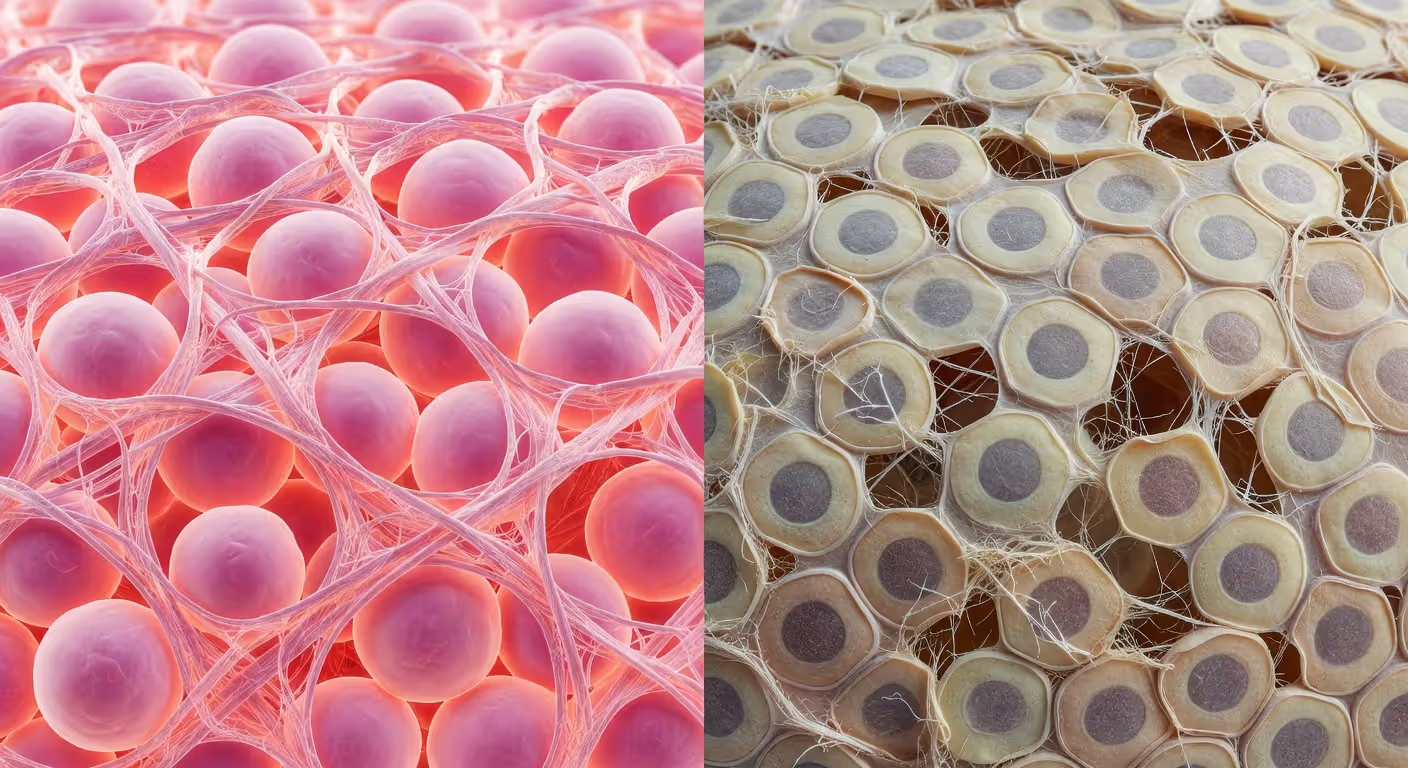
Here's the kicker: this manufacturing never stops. Your system constantly tears down old, damaged collagen while building fresh replacements. When you're young, you're making more than you're losing. Somewhere around your mid-twenties, though, that equation flips. Production capacity drops roughly 1% each year. By the time you hit fifty, you've lost a significant chunk of your collagen-making ability—and it shows.
How Collagen Synthesis Happens in Your Body
The assembly process unfolds in several steps. First, your cells build two chains of amino acids—loaded with glycine, proline, and hydroxyproline. These chains twist around each other inside the cell, forming what's called procollagen. This procollagen gets shipped outside the cell, where enzymes snip off extra bits and the molecules spontaneously organize themselves into collagen fibrils. These microscopic fibrils bundle together into the larger collagen fibers you can actually see under a microscope.
Nothing about this is automatic. Each step needs specific nutrients and working enzymes. Miss just one essential ingredient, and the whole production line stalls.
The Role of Vitamin C in Collagen Production
Vitamin C isn't optional for collagen production—it's absolutely mandatory. It acts as a cofactor for two enzymes (prolyl hydroxylase and lysyl hydroxylase) that stabilize collagen's structure. Without enough vitamin C, your body cranks out defective collagen that can't form proper fibers.
Ever heard of scurvy? That's what happens when vitamin C drops to near zero. People's gums bleed, wounds won't heal, skin breaks down. The collagen in blood vessel walls literally falls apart.
You need vitamin C daily because your body can't store it long-term. The official recommendation sits around 75–90 mg for adults, but plenty of researchers push for closer to 200 mg if you want optimal collagen production. A 2017 study found that women who took vitamin C supplements for twelve weeks showed measurably better skin elasticity—probably because their collagen machinery was running at full capacity.
What's interesting: pairing vitamin C with collagen peptides seems to work better than either one alone. The vitamin keeps your natural production humming while the peptides provide raw materials.
Other Nutrients Essential for Collagen Formation
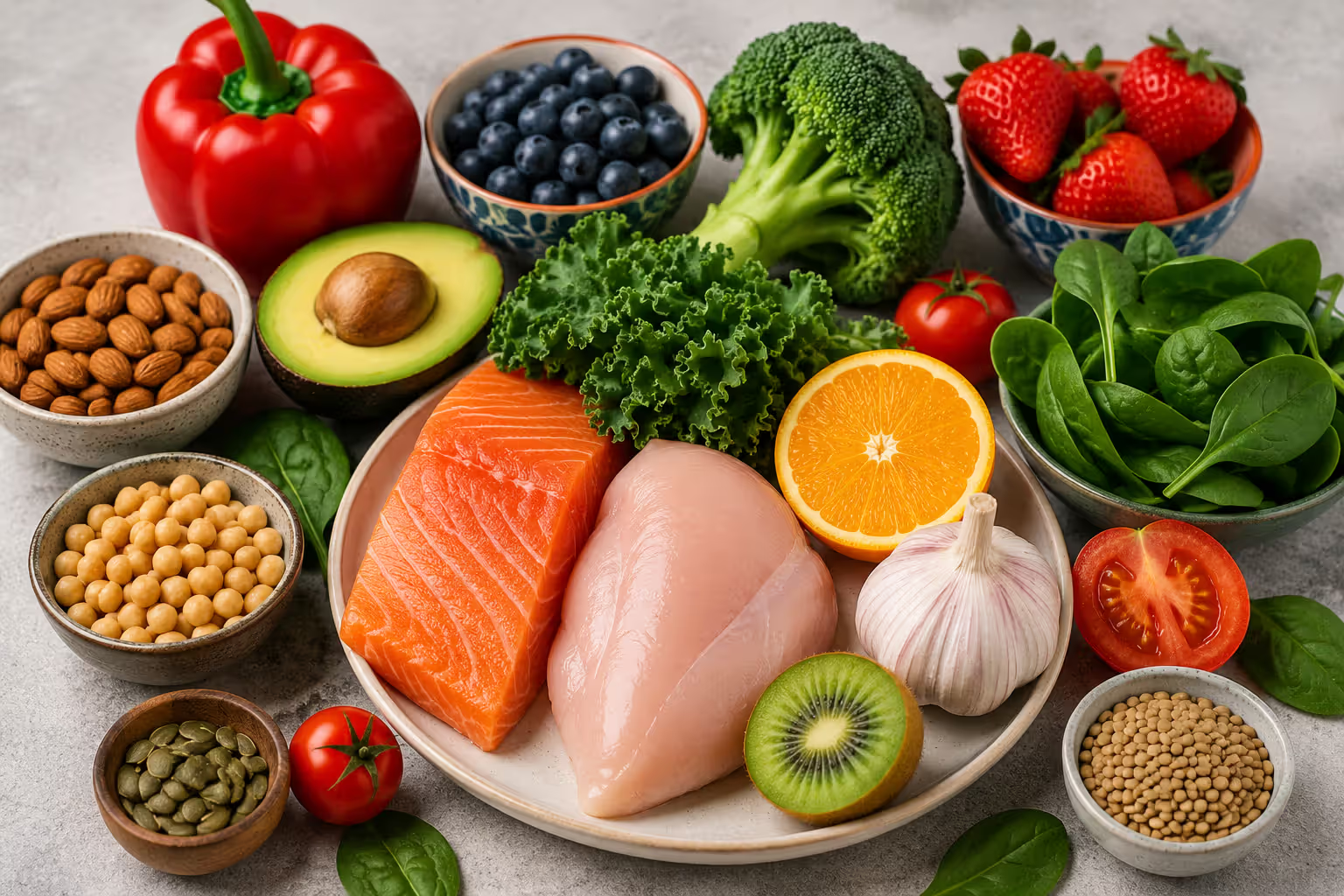
Vitamin C hogs the spotlight, but collagen synthesis actually needs a supporting cast:
Amino acids are the literal building blocks. Glycine, proline, and hydroxyproline together make up about half of collagen's amino acid content. Your body can produce these, but not always fast enough when demand spikes.
Copper activates lysyl oxidase, the enzyme that creates cross-links between collagen fibers. Those cross-links give collagen its strength. Without copper, your collagen stays weak and breaks down easily.
Zinc helps the enzymes involved in collagen synthesis do their jobs and protects collagen's protein structure from damage. When you're zinc-deficient, wounds heal slowly partly because collagen production drops.
Manganese activates prolidase, yet another enzyme in the collagen-building pathway.
Let me break down these nutrients in a way that's actually useful:
Nutrient
What It Does for Collagen
Where to Get It
How Much You Need
Vitamin C
Required cofactor that keeps hydroxylase enzymes working; without it, collagen falls apart
Bell peppers, citrus fruits, strawberries, Brussels sprouts
Official: 75–90 mg; optimal: closer to 200 mg
Glycine
Shows up at every third spot in collagen's amino acid sequence; absolutely essential
Bone broth, skin-on chicken, pork rinds, gelatin
Around 3–5 g (most diets come up short)
Proline
Forms collagen's signature helical shape
Dairy products, meat, egg whites, cabbage
Roughly 2–3 g (your body makes some but not always enough)
Copper
Fires up the enzyme that cross-links collagen fibers for strength
Shellfish, nuts, organ meats, dark chocolate, seeds
900 mcg
Zinc
Powers multiple collagen enzymes and keeps the protein stable
Oysters, red meat, legumes, seeds
8–11 mg
Manganese
Activates enzymes that process amino acids for collagen
Nuts, whole grains, leafy greens, tea
1.8–2.3 mg
Most people get enough copper, zinc, and manganese if they eat a varied diet. Glycine is trickier. Your body needs roughly 10 grams daily for everything it does, but only makes about 3 grams internally. The rest has to come from food—and modern diets often fall short because we don't eat much bone broth, gelatin, or connective tissue anymore.
What Are Collagen Peptides and How Are They Made
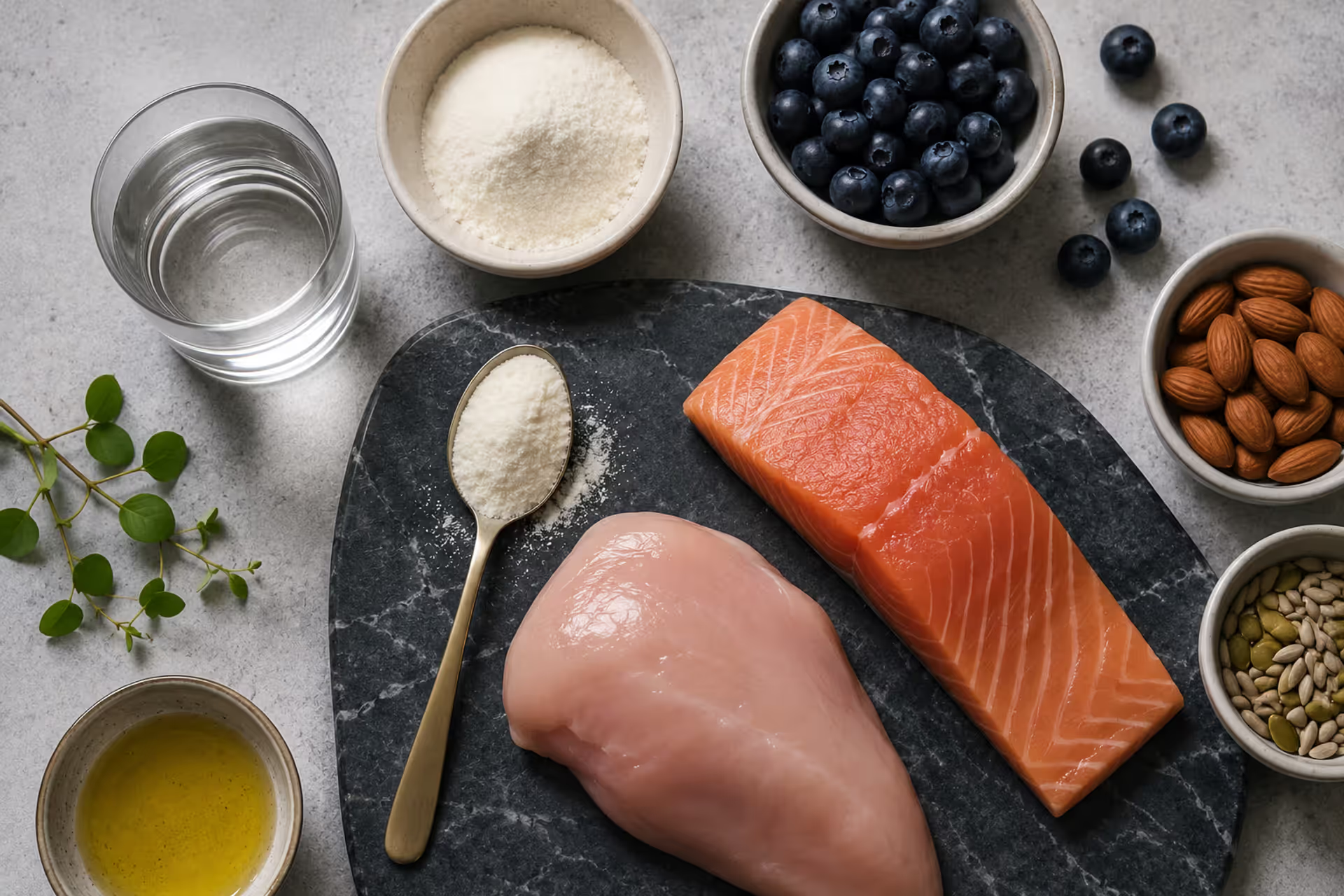
Collagen peptides are short chains of amino acids created by chopping up full-length collagen proteins. You might also see them called hydrolyzed collagen or collagen hydrolysate. Unlike gelatin (which is partially broken-down collagen), peptides are completely hydrolyzed into much smaller pieces—usually 2 to 20 amino acids long.
Size matters here. Full collagen proteins are way too big for your gut to absorb intact. Gelatin dissolves in hot liquid but turns into jelly when it cools. Collagen peptides dissolve in cold water and stay dissolved, which makes them easy to stir into coffee, smoothies, or pretty much anything.
What are collagen peptides made from? Animal connective tissue—mainly skin, bones, tendons, and ligaments. You'll find three main types on the market:
Bovine collagen comes from cow hides and bones. It's mostly Type I and Type III collagen, the same types that dominate in human skin, bones, and tendons.
Marine collagen comes from fish skin and scales. It's almost entirely Type I collagen and has a slightly smaller molecular size, which some research suggests might be absorbed a bit more easily.
Chicken collagen comes from chicken cartilage. It's mainly Type II collagen, the kind concentrated in joint cartilage.
How are collagen peptides made? Through enzymatic hydrolysis. Manufacturers start by cleaning and preparing raw collagen material. Then they expose it to specific enzymes—usually proteases—that chop the long collagen chains into shorter peptides. Temperature, pH, and timing all get carefully controlled. After hydrolysis, the mixture gets filtered, purified, and dried into powder.
The finished peptides typically weigh between 2,000 and 5,000 Daltons (a measure of molecular weight). Some companies go further and create specific "bioactive peptides" with targeted molecular weights believed to have particular effects on skin or joints.
How Oral Collagen Supplements Support Collagen Synthesis
For years, skeptics insisted oral collagen couldn't possibly work. The argument went like this: your digestive system breaks down all proteins into individual amino acids anyway, so swallowing collagen peptides is no different than eating a chicken breast.
Research from the last decade has pretty much demolished that assumption. Studies now show that collagen peptides don't get completely broken down into individual amino acids. A significant portion survives digestion as di-peptides and tri-peptides—small fragments that enter your bloodstream still linked together.
A 2019 study using radioactive tracers followed collagen peptides after people consumed them. Researchers found these small peptides showing up in cartilage and skin tissue within hours. Even more interesting: their presence seemed to signal fibroblasts to ramp up collagen production.
That signaling mechanism is key. When collagen peptides appear in your blood and tissues, your body reads this as evidence that collagen breakdown is happening somewhere. So fibroblasts kick collagen synthesis into higher gear to compensate. It's a biological feedback loop.
The amino acid delivery helps too. Collagen peptides deliver concentrated amounts of glycine, proline, and hydroxyproline—exactly what your body needs for collagen production. Sure, you can get these from regular food, but supplements provide them in a concentrated, easily absorbed package.
Clinical trials back this up. A 2014 double-blind study gave women either collagen peptides or placebo for eight weeks. The collagen group showed significantly better skin elasticity and moisture. A 2017 trial found collagen supplementation reduced joint pain in athletes. A 2018 study demonstrated improved skin hydration and dermal collagen density after twelve weeks.
Effective doses in these studies typically range from 2.5 to 15 grams daily, with most benefits showing up around 10 grams.
When we consume collagen peptides, they're broken down into smaller amino acid chains that can be absorbed through the intestinal wall. These peptides then travel through the bloodstream to the dermis, where they serve as building blocks and also trigger fibroblasts to produce more collagen, elastin, and hyaluronic acid. The evidence suggests this isn't just about providing raw materials—it's about sending a biological signal that stimulates your own collagen production machinery.
Health Benefits of Collagen Peptides for Different Groups
Collagen peptides affect multiple body systems. Research has documented improvements in skin appearance, joint function, bone density, gut health, and muscle mass.
Skin elasticity and hydration show measurable improvements with supplementation. Multiple studies report reduced wrinkle depth and increased skin moisture after 8–12 weeks of daily collagen peptides. The effect isn't dramatic—you won't reverse decades of aging—but you can slow down visible decline.
Joint pain and function improve in both healthy athletes and people with osteoarthritis. Collagen peptides seem to support cartilage structure and reduce inflammation. One 24-week study of athletes found that 10 grams daily significantly reduced joint pain during activity.
Bone density may increase with long-term supplementation. A 2018 study in postmenopausal women found that collagen peptides plus calcium increased bone mineral density more than calcium alone. Makes sense—bones are about 90% collagen by volume.
Muscle mass and recovery benefit from collagen's amino acid profile. A 2015 study found that collagen supplementation combined with resistance training increased muscle mass and strength more than training alone in older men.
Gut health improvements are less well-documented but promising. Glycine and other amino acids in collagen support the intestinal lining's integrity, and some people with digestive issues report feeling better with collagen supplementation.
Benefits of Collagen Peptides for Men
Men often skip collagen supplements, thinking they're mainly for women worried about wrinkles. But the benefits of collagen peptides for men are substantial and go way beyond appearance.
Maintaining muscle mass gets harder after thirty as natural collagen and protein production decline. Collagen provides glycine and proline that support muscle tissue structure. That 2015 study I mentioned specifically showed older men gained more muscle when they combined collagen with strength training versus exercise alone.
Athletic performance and recovery depend on healthy joints. Male athletes in contact sports or high-impact activities often develop joint problems. Several studies show collagen peptides reduce exercise-related joint pain and may speed recovery from injuries.
Bone strength matters just as much for men. Men lose bone mass with age too, just more gradually than women. Since collagen forms bone's structural framework, supporting collagen synthesis helps preserve skeletal strength.
Cardiovascular structure relies on collagen in artery walls. Some research suggests collagen supplementation may improve arterial flexibility, though more studies are needed.
The most common pattern I see is guys ignoring collagen until they develop joint pain or notice their skin aging, then wishing they'd started earlier. Prevention beats repair every time.
Factors That Slow Down Collagen Synthesis
Knowing what damages collagen synthesis is just as important as knowing how to support it. Several factors accelerate collagen breakdown or block production.
Aging is the big one. Starting around your mid-twenties, collagen production drops about 1% per year. By sixty, you're making roughly 40% less collagen than you did in your twenties. Fibroblasts become less active, and the balance tips toward breakdown over building.
UV exposure is one of the most damaging environmental factors. Sunlight generates free radicals that directly break collagen fibers. UV also activates enzymes called matrix metalloproteinases (MMPs) that digest collagen. A single unprotected day at the beach can cause collagen damage that takes weeks to repair. Chronic sun exposure accounts for up to 80% of visible facial aging.
Sugar and advanced glycation end products (AGEs) damage collagen through a process called glycation. When excess sugar molecules bind to collagen fibers, they create cross-links that make collagen stiff and brittle. This happens naturally with aging, but high-sugar diets dramatically speed it up. AGEs also form when food is cooked at high temperatures—especially frying and grilling.
Smoking impairs collagen synthesis through multiple mechanisms. Nicotine constricts blood vessels, reducing oxygen and nutrient delivery to skin. Smoking generates free radicals that attack collagen. It also directly suppresses fibroblast activity. Smokers develop wrinkles and sagging skin years earlier than non-smokers.
Stress that never lets up raises cortisol, which breaks down collagen and suppresses new production. Studies show chronically stressed people have thinner, less resilient skin and slower wound healing.
Poor sleep disrupts the growth hormone cycles that support tissue repair and collagen production. Your body does most of its repair work during deep sleep stages.
Nutritional deficiencies create bottlenecks. Without adequate vitamin C, copper, zinc, or amino acids, collagen synthesis simply can't proceed efficiently.
Inflammation from any source—poor diet, chronic disease, autoimmune conditions—activates enzymes that break down collagen faster than your body can replace it.
Good news? You can control most of these factors. You can't stop aging, but you can control sun exposure, nutrition, stress management, and sleep quality.
FAQ: Collagen Synthesis Questions Answered
Does taking collagen peptides actually increase collagen synthesis?
Yes, but not in the simple way you'd think. When you take collagen peptides, your digestive system breaks them down into small pieces—di-peptides and tri-peptides—that actually make it into your bloodstream intact. These fragments do two things: they supply the specific amino acids your body needs for collagen building, and they signal your fibroblasts to increase collagen production. Multiple clinical studies have confirmed measurable improvements in skin elasticity, joint comfort, and bone density with daily doses of 2.5 to 15 grams over 8–12 weeks.
How long until I notice results from collagen supplements?
You'll probably see initial changes within 4–8 weeks, with more significant improvements after 12 weeks of consistent daily use. Skin hydration and texture often improve first, within the first month. Joint pain reduction typically shows up around 8–12 weeks. Improvements in skin elasticity and wrinkle appearance become noticeable after 12 weeks or more. These timelines come from clinical trials using 10 grams daily. Lower doses might take longer. Consistency is what matters—your body needs a steady supply of collagen peptides to keep the signaling going.
Can I boost collagen synthesis without taking supplements?
Absolutely. Your body naturally produces collagen if you give it the right nutrients and conditions. Focus on eating enough protein to supply amino acids—especially glycine-rich foods like bone broth, gelatin, and chicken with skin. Make sure you're getting adequate vitamin C from fruits and vegetables. Include copper and zinc sources like shellfish, nuts, and seeds. Protect your existing collagen by wearing sunscreen daily, avoiding cigarettes, managing stress, getting quality sleep, and limiting sugar. This approach works well for younger people and those with solid nutrition. Supplements become more valuable as you age or if your diet has gaps.
When should I take collagen peptides during the day?
Research hasn't identified an optimal time, so take collagen whenever it fits your routine. Some people prefer mornings because collagen mixes easily into coffee or smoothies. Others take it before bed since your body does repair work during sleep. One thing to consider: taking collagen with vitamin C may enhance absorption and effectiveness, so pairing it with orange juice or a vitamin C supplement makes sense. Taking it on an empty stomach might slightly improve absorption, but the difference is probably minimal. Consistency matters more than timing—taking it daily beats worrying about the perfect hour.
Do marine collagen peptides work better than bovine?
Both marine and bovine collagen peptides work well, with only minor differences. Marine collagen comes from fish and is primarily Type I collagen, which is abundant in skin. It has a slightly smaller average peptide size, which could theoretically improve absorption, but clinical evidence for superior benefits is limited. Bovine collagen comes from cattle and contains both Type I and Type III collagen, which are found in skin, bones, and tendons. Some studies suggest bovine might be better for joint and bone health because of the Type III content. Marine collagen works for people who avoid red meat or prefer pescatarian options. Bovine is usually cheaper. Both are effective—choose based on dietary preferences and budget.
Do men and women require different collagen amounts?
No, collagen needs don't differ much by biological sex. Both men and women benefit from similar doses—typically 10 grams daily for general health and anti-aging benefits. Body size might matter more than sex; larger people might benefit from slightly higher doses. Men might focus on collagen for joint health and muscle recovery, while women often emphasize skin and bone density, but the underlying mechanisms and effective doses are the same. Some research suggests women lose collagen more rapidly after menopause due to declining estrogen, which might make supplementation more valuable during that phase. But the recommended daily amount stays consistent across sexes.
Your body's collagen-building machinery responds remarkably well when you give it what it needs. Feed it the right nutrients, protect it from damage, and it'll keep working for decades. Smart eating, strategic supplementation when needed, and protective lifestyle choices make a real difference—not just in how you look, but in joint comfort, recovery time, and how well your body holds up over the years.