You can't manufacture essential amino acids inside your body. Zero production capacity. That's what separates them from the other amino building blocks—you've got to eat them, period. When your diet runs short, your system starts cannibalizing muscle tissue to free up what it needs for critical operations.
Here's what I've noticed: people don't think about amino acids until something breaks. Training stalls out for no clear reason. Someone switches to plant-based eating and wonders if they're missing something important. Meanwhile, the supplement industry makes this sound way more complicated than it actually is.
What Are Essential Amino Acids
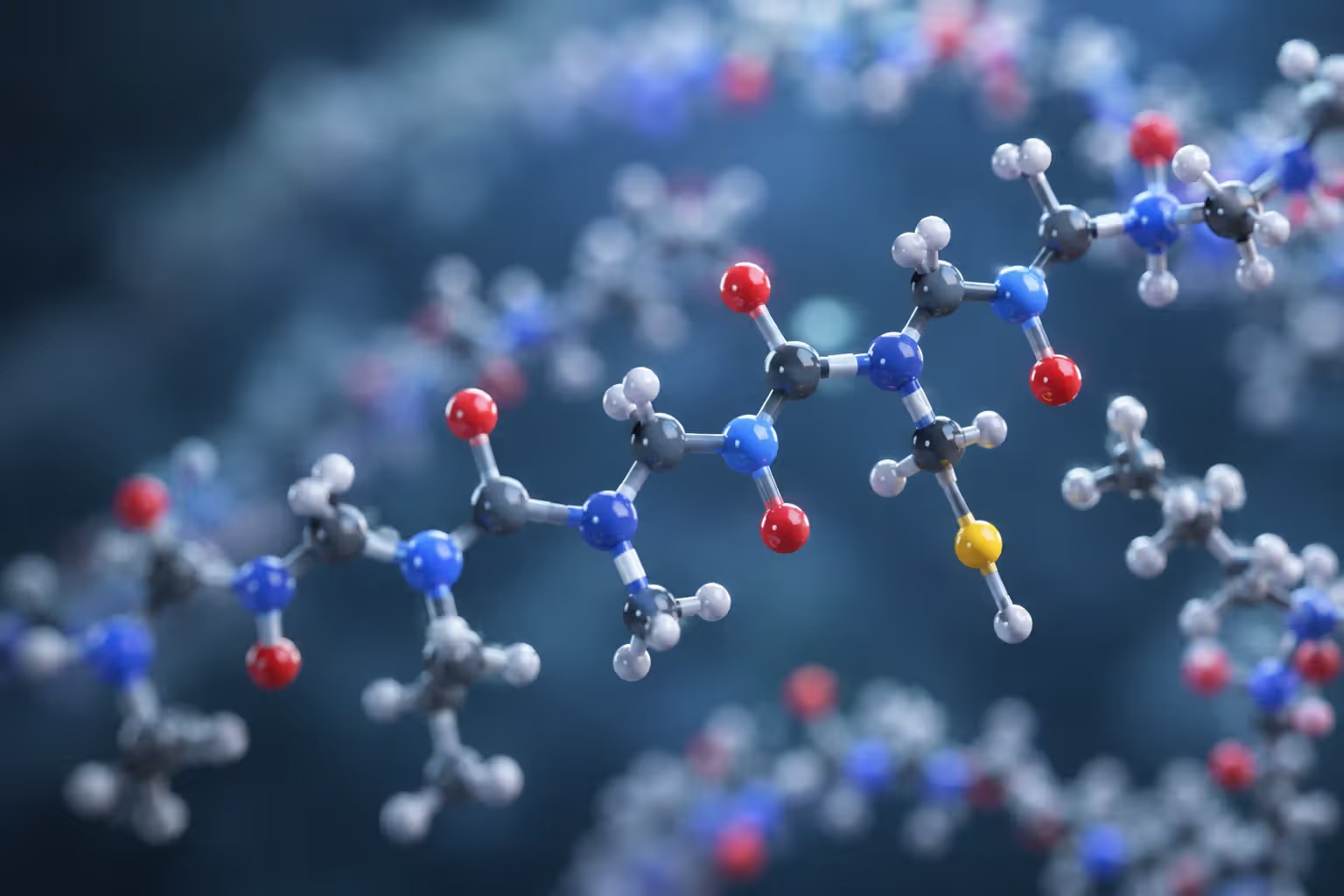
An essential amino acid is one you must obtain from food because your cells can't build it from scratch. There's no workaround.
Your liver transforms existing molecules into many amino acids through various biochemical reactions. Scientists call these non-essential—which is a terrible name, honestly. They're absolutely essential for life. The label just means you can produce them internally. Essential amino acids? Your body lacks the enzyme systems needed to construct them. Miss them in your diet, and your reserves gradually vanish.
Some researchers prefer the term indispensable amino acids. It's more accurate. Saying something is "non-essential" suggests it doesn't matter much, which completely misses the point. What actually matters is whether you possess the metabolic machinery to make it yourself.
Here's the critical part: every single protein in your body—muscle fibers, digestive enzymes, antibodies, hormones, neurotransmitters—gets assembled from amino acids. Run low on even one essential amino acid, and protein construction grinds to a halt. Your cells can't improvise or substitute. They need the complete set, or nothing happens.
How Many Essential Amino Acids Does the Body Need
Nine amino acids qualify as essential for adults. This number stays consistent across nutritional research, though infants require histidine in larger amounts during their rapid growth phases.
The complete list of essential amino acids, with what each one does:
Leucine triggers the cellular pathways that build muscle protein and helps regulate how your body handles glucose. Among the three branched-chain amino acids, leucine sends the strongest signals to muscle tissue telling it to grow.
Isoleucine supports your immune system, helps form hemoglobin in red blood cells, and regulates energy metabolism. Skeletal muscle relies on this BCAA to absorb and burn glucose during workouts.
Valine rounds out the BCAA trio. It drives muscle metabolism, assists tissue repair, and maintains proper nitrogen balance throughout your system.
Lysine allows calcium absorption, builds collagen, and creates carnitine (which shuttles fatty acids into mitochondria for energy). Plant-based diets commonly lack adequate lysine since grains contain very little.
Methionine supplies sulfur for metabolic reactions and produces other vital molecules including cysteine and taurine. Your liver depends on methionine for multiple detoxification processes.
Phenylalanine transforms into tyrosine, which your brain uses to create dopamine and norepinephrine. These neurotransmitters control mood, focus, and alertness levels.
Threonine forms connective tissue and participates in breaking down fats. Structural proteins like collagen and elastin—present in skin, ligaments, and muscle—contain substantial threonine.
Tryptophan serves as the raw material for serotonin and melatonin. That means it influences mood, sleep quality, and appetite. The turkey-makes-you-sleepy myth is overblown, but tryptophan genuinely affects your sleep-wake cycle.
Histidine manufactures histamine, which controls immune responses, stomach acid production, and circadian timing. Adults make small amounts, but endogenous production can't cover total needs.
Why these particular nine? Evolution provides the answer. Our ancestors couldn't reliably synthesize these compounds, so natural selection favored genetic variations that efficiently extracted them from available food. Different species evolved different requirements—cats need eleven essential amino acids, for example.
Amino Acid
Primary Functions
Common Food Sources
Daily Requirement (mg/kg body weight)
Leucine
Triggers muscle growth, manages glucose
Chicken, edamame, eggs, shrimp
42
Isoleucine
Strengthens immunity, creates hemoglobin, regulates energy
Makes histamine, activates immune system, aids digestion
Pork loin, yellowfin tuna, soybeans, chickpeas
14
These figures come from WHO/FAO/UNU recommendations for adults. Your actual requirements change based on activity level, age, and health status.
Health Benefits and Functions of Essential Aminos
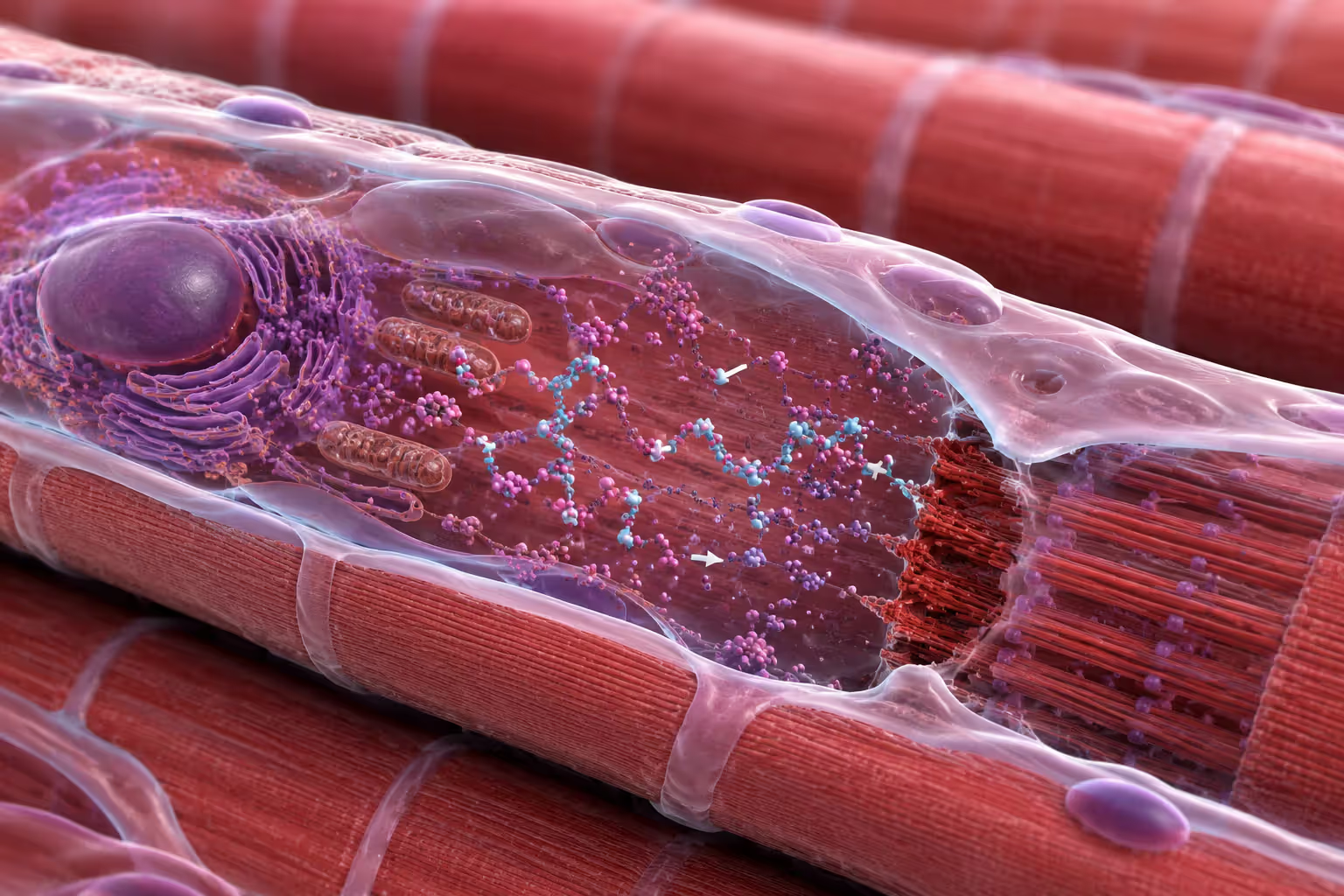
Building proteins is the main job. Without all nine essential aminos present, your cells can't efficiently assemble new proteins. This constraint affects everything from repairing muscles after a workout to replacing skin cells to producing digestive enzymes.
Muscle tissue constantly breaks down and rebuilds itself. Even on rest days, you're dismantling and reconstructing muscle fibers. Leucine specifically activates mTOR—a cellular switch that starts the building process. Lift weights without enough leucine, and you'll limit your muscle adaptation.
Your immune system runs on protein. Antibodies, cytokines (signaling molecules), and the white blood cells that hunt down pathogens all need steady amino acid delivery. Severe protein deficiency crushes immune function and leaves you vulnerable to infections.
Hormones require amino acid building blocks. Thyroid hormones, insulin, growth hormone—these are all proteins or peptide chains. Tryptophan converts into serotonin, which controls mood, intestinal movement, and how hungry you feel. Tyrosine (made from phenylalanine) becomes adrenaline and dopamine.
Neurotransmitter balance gets overlooked constantly. I've seen countless people blame mood problems on stress or poor sleep when the actual issue is insufficient protein variety. Brain chemistry literally assembles itself from amino acid precursors.
Wounds close more slowly when amino acid intake drops. Collagen production—which seals cuts, heals burns, and mends internal damage—requires glycine, proline, and hydroxyproline. Though glycine isn't essential, your body still needs adequate methionine and threonine to support collagen assembly.
Certain essential aminos directly fuel energy production. BCAAs get oxidized right inside muscle tissue during prolonged exercise. That's unusual—most amino acids must process through the liver first.
One thing people get wrong: more isn't automatically better. Mega-dosing isolated amino acids creates imbalances. Your body expects specific ratios because that's how they naturally occur in food. High-dose single supplements can actually block absorption of competing aminos.
Food Sources That Contain All Essential Amino Acids
A complete protein delivers all nine essential amino acids in sufficient amounts. An incomplete protein lacks adequate quantities of one or more. Whichever amino acid is present in the smallest amount is called the limiting amino acid—it restricts how much usable protein your body can build from that food.
The amino acid profile—the specific quantities and ratios of each amino acid in a food—determines protein quality. Animal sources typically match human requirements closely. Plant sources often don't, though smart combinations solve this problem.
Animal-Based Complete Proteins
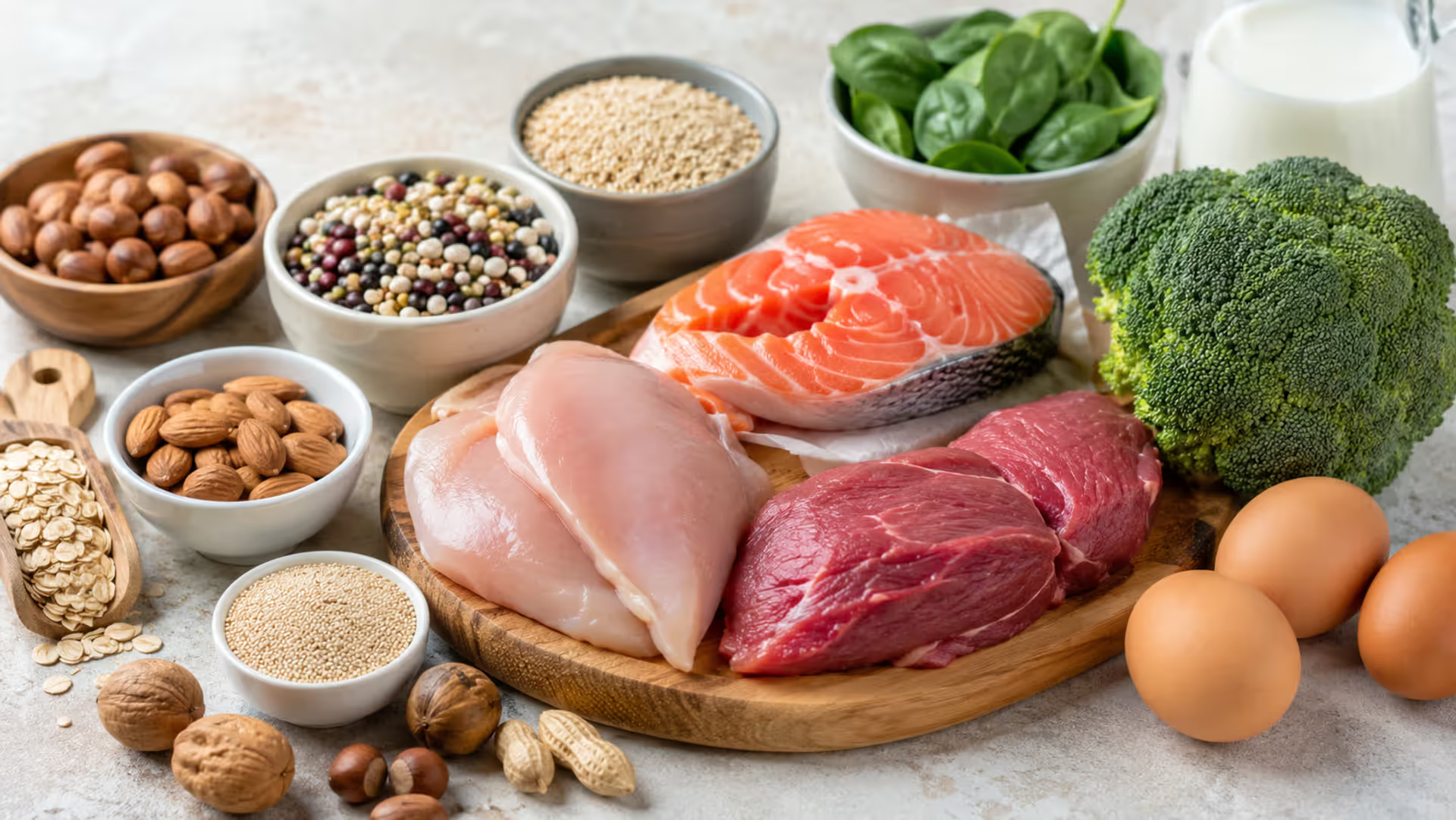
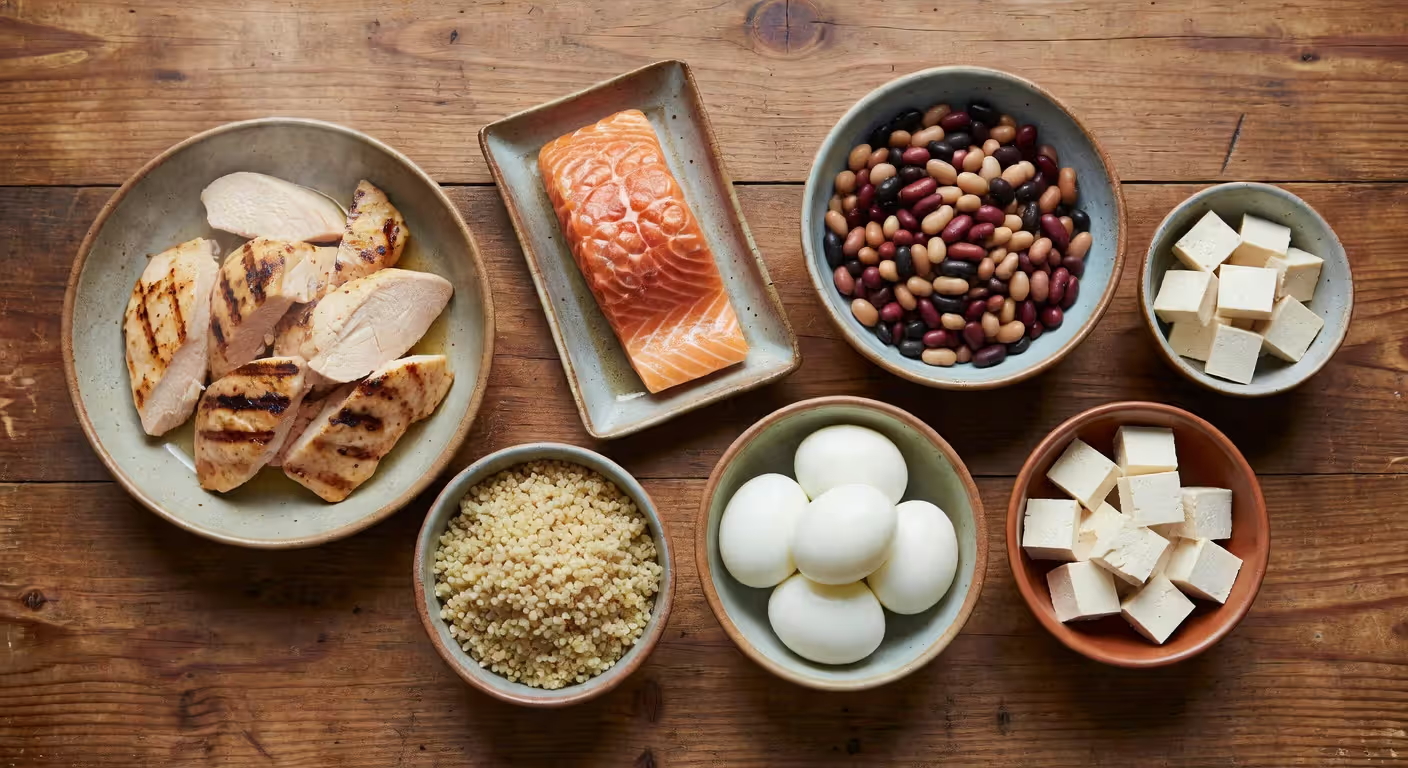
Meat, seafood, poultry, eggs, and dairy all qualify as complete proteins. They supply all essential amino acids in proportions similar to human tissue.
Eggs serve as the gold standard in protein quality testing. Their amino acid composition aligns so precisely with human needs that researchers use eggs as the benchmark (biological value of 100). One large egg delivers roughly 6 grams of complete protein.
Chicken breast provides lean, protein-dense nutrition—about 31 grams per 100-gram serving. Its especially high leucine content makes it popular among people focused on building muscle.
Salmon and similar fatty fish supply complete protein alongside omega-3 fatty acids. A 100-gram salmon portion contains roughly 25 grams of protein with excellent amino acid distribution.
Greek yogurt concentrates protein through the straining process. One cup can deliver 15–20 grams of complete protein depending on the brand. The whey and casein proteins in dairy digest at different rates, releasing amino acids over several hours.
Beef and pork provide complete protein plus iron, zinc, and B vitamins. Red meat contains particularly high lysine and methionine concentrations—two aminos that challenge vegetarian diets.
Plant-Based Protein Combinations
Most plant proteins are incomplete. Cereal grains run low on lysine. Legumes contain insufficient methionine. But you don't need perfect protein at each sitting.
Complementary proteins are food pairings that fill each other's amino acid gaps. Rice combined with beans demonstrates this perfectly—rice supplies the methionine beans lack, while beans provide the lysine rice is missing. Together they create a complete amino acid spectrum.
Quinoa, soybeans, and buckwheat represent rare plant exceptions. They contain all essential amino acids on their own, though total protein per serving remains lower than most animal foods.
Tofu and tempeh (both made from soybeans) include all essential amino acids. A half-cup serving of firm tofu provides about 10 grams of complete protein. Tempeh contains even more because fermentation concentrates nutrients.
Pairing whole grains with legumes consistently works. Think peanut butter on whole wheat bread, hummus with pita, lentil soup containing barley, or black bean tacos in corn tortillas. Nothing fancy required.
Nuts and seeds contribute amino acids but aren't complete proteins alone. They work better as boosters—sprinkle hemp seeds on oatmeal, add almonds to grain bowls, or blend chia seeds into smoothies made with soy milk.
The daily pooling principle: Your body maintains circulating amino acid reserves. Complementary proteins don't require consumption in the same meal. Eating rice at lunch and beans at dinner still works—your body draws from its amino acid pool to assemble complete proteins as needed throughout the day.
How to Identify a Complete Amino Acid Profile
The PDCAAS (Protein Digestibility-Corrected Amino Acid Score) represents one scientific method for rating protein quality. Scores range from 0 to 1.0, where 1.0 means the protein contains all essential amino acids in optimal quantities and demonstrates high digestibility. Eggs, milk, and isolated soy protein all achieve 1.0 scores.
A newer metric called DIAAS (Digestible Indispensable Amino Acid Score) is replacing PDCAAS because it's more accurate. It measures amino acid digestibility at the end of the small intestine rather than overall digestibility. Scores can exceed 1.0, and animal proteins generally score higher than plant proteins.
Nutrition labels provide limited information. They display total protein grams but rarely detail individual amino acid content. You're examining the ingredient list to identify protein sources, then applying knowledge about which foods are complete.
Supplement labels should list all nine essential amino acids if claiming to offer complete EAA formulation. BCAAs contain just three amino acids (leucine, isoleucine, valine), making them incomplete. Some protein powders include amino acid breakdowns—whey and casein will show all nine, while single-plant proteins may not.
The straightforward approach usually wins. Rather than obsessing over numerical scores and detailed labels, eat diverse protein sources. Omnivores almost certainly get complete amino acid profiles without deliberate effort. Plant-based eaters should regularly combine grains with legumes and incorporate soy products several times weekly.
The human body is remarkably efficient at pooling amino acids from multiple meals throughout the day. The outdated idea that you must eat complementary proteins at every single meal has caused unnecessary stress for plant-based eaters. As long as you're consuming adequate total protein from varied sources over a 24-hour period, your body will assemble what it needs.
Common mistake: assuming plant-based eating automatically creates amino acid deficiency. It doesn't. But it requires more intentionality. A diet consisting only of pasta, bread, and salad will create shortfalls. A diet incorporating beans, lentils, tofu, quinoa, nuts, and seeds won't.
Signs You May Not Be Getting Enough Essential Amino Acids
Muscle wasting despite stable weight serves as an early warning sign. Your body will dismantle muscle tissue to harvest amino acids for more critical functions when dietary intake falls too low.
Slow wound healing or frequent infections suggest your immune system isn't receiving necessary building blocks. Antibody production and immune cell formation require constant protein turnover.
Persistent fatigue that doesn't respond to sleep might relate to inadequate amino acid consumption. Neurotransmitter synthesis and energy metabolism both depend on essential aminos.
Thinning hair or brittle nails can signal protein insufficiency. Hair and nail cells consist almost entirely of keratin, a structural protein requiring complete amino acid supply.
Mood changes, particularly increased anxiety or low mood, sometimes stem from insufficient tryptophan or phenylalanine. These directly convert to serotonin and dopamine.
Who faces higher risk? Strict vegetarians who don't thoughtfully combine proteins. Older adults who eat less overall and absorb nutrients less effectively. Athletes training intensely who underestimate their elevated protein demands. People recovering from surgery or illness who need extra protein for tissue repair.
Edema (tissue swelling) in legs and abdomen can develop in severe cases. When blood protein concentrations drop excessively, fluid leaks from blood vessels into surrounding tissues.
Before considering supplements, fix dietary patterns first. Track your protein consumption for several days. Are you reaching at least 0.8 grams per kilogram of body weight (the minimum RDA)? Are you eating protein sources at most meals? For a 70 kg person, that's 56 grams daily—easily achievable through whole foods.
Supplementation makes sense in specific circumstances: recovering from injuries, managing medical conditions that increase protein requirements, following severely restricted diets, or training at high intensity. For most people, food is enough.
Frequently Asked Questions About Essential Amino Acids
Can you get all essential amino acids from plants?
Yes, though it takes more variety than omnivorous eating. Most plant proteins fall short on one or more essential amino acids. Cereal grains contain minimal lysine; legumes provide inadequate methionine. Eating diverse plant proteins throughout the day delivers a complete amino acid spectrum. Soybeans, quinoa, and buckwheat are rare exceptions—they're complete proteins on their own. The approach involves eating varied plant proteins regularly, not necessarily combining them at every meal.
How do essential amino acids differ from non-essential ones?
Essential amino acids can't be manufactured inside your body—you must get them from food. Non-essential amino acids remain biologically critical, but your cells produce them internally from other compounds. The "non-essential" label only describes dietary necessity, not physiological importance. A third category exists called conditionally essential amino acids, which your body typically manufactures but may need from food during illness, stress, or rapid growth.
Do I need to eat all essential amino acids at every meal?
No. Your body keeps circulating amino acid reserves that last for hours. Eating complementary proteins—such as rice at lunch and beans at dinner—works effectively because your body pools amino acids from both meals. The 24-hour window matters most. That said, distributing protein intake across multiple meals optimizes muscle protein synthesis better than concentrating all protein in one sitting.
How do BCAA supplements compare to essential amino acid products?
BCAA supplements only contain three out of nine essential amino acids: leucine, isoleucine, and valine. Full essential amino acid supplements include all nine. Taking only BCAAs can actually create imbalances since your body requires all nine in coordinated proportions for protein assembly. If you're already eating adequate protein through food, neither supplement is necessary. When supplementing, complete EAAs represent the better choice.
How much protein do I need daily to get enough essential amino acids?
The baseline RDA equals 0.8 grams per kilogram of body weight—about 56 grams for a 70 kg person. But that's a minimum threshold to prevent deficiency, not an optimal intake. Athletes and physically active individuals benefit from 1.6–2.2 grams per kilogram. Older adults also thrive at the higher range, since they absorb and utilize protein less efficiently. Quality rivals quantity in importance—getting protein from diverse sources ensures coverage of all essential amino acids.
Can you overdose on essential amino acids from food?
Reaching dangerous amino acid levels from whole foods is virtually impossible. Your body regulates protein metabolism and eliminates excess nitrogen through urine. However, taking high-dose isolated amino acid supplements can create imbalances and disrupt absorption of other aminos. Extremely high protein intake (well beyond 2 grams per kilogram) sustained over long periods may stress kidneys in people with pre-existing kidney disease, but this doesn't concern healthy individuals eating reasonable amounts of protein-rich foods.
Your body's amino acid requirements aren't complicated—eat varied protein sources, and you'll cover all nine essential amino acids without overthinking it. Whether you choose animal proteins, plant combinations, or both, consistency beats perfection. If you're experiencing muscle loss, slow healing, or persistent fatigue despite adequate rest, examine your protein intake and source variety more closely. Most people eat sufficient total protein but sometimes lack diversity in their selections.