Every guy scrolling through fitness forums has probably stumbled across ashwagandha claims by now. Some swear it boosted their testosterone. Others say it did nothing. So what's actually happening here—does this ancient herb legitimately raise your T levels, or is this just clever supplement marketing at work?
Here's what the research actually shows: certain groups of men see real, measurable testosterone increases when taking ashwagandha. But we're not talking about everyone who pops these capsules. Your stress levels, current hormone status, and lifestyle factors determine whether you'll see results or waste your money.
Let's cut through the hype and look at what clinical trials reveal about ashwagandha's effects on male hormones—so you can decide if it's worth trying.
What Is Ashwagandha and How Does It Work?
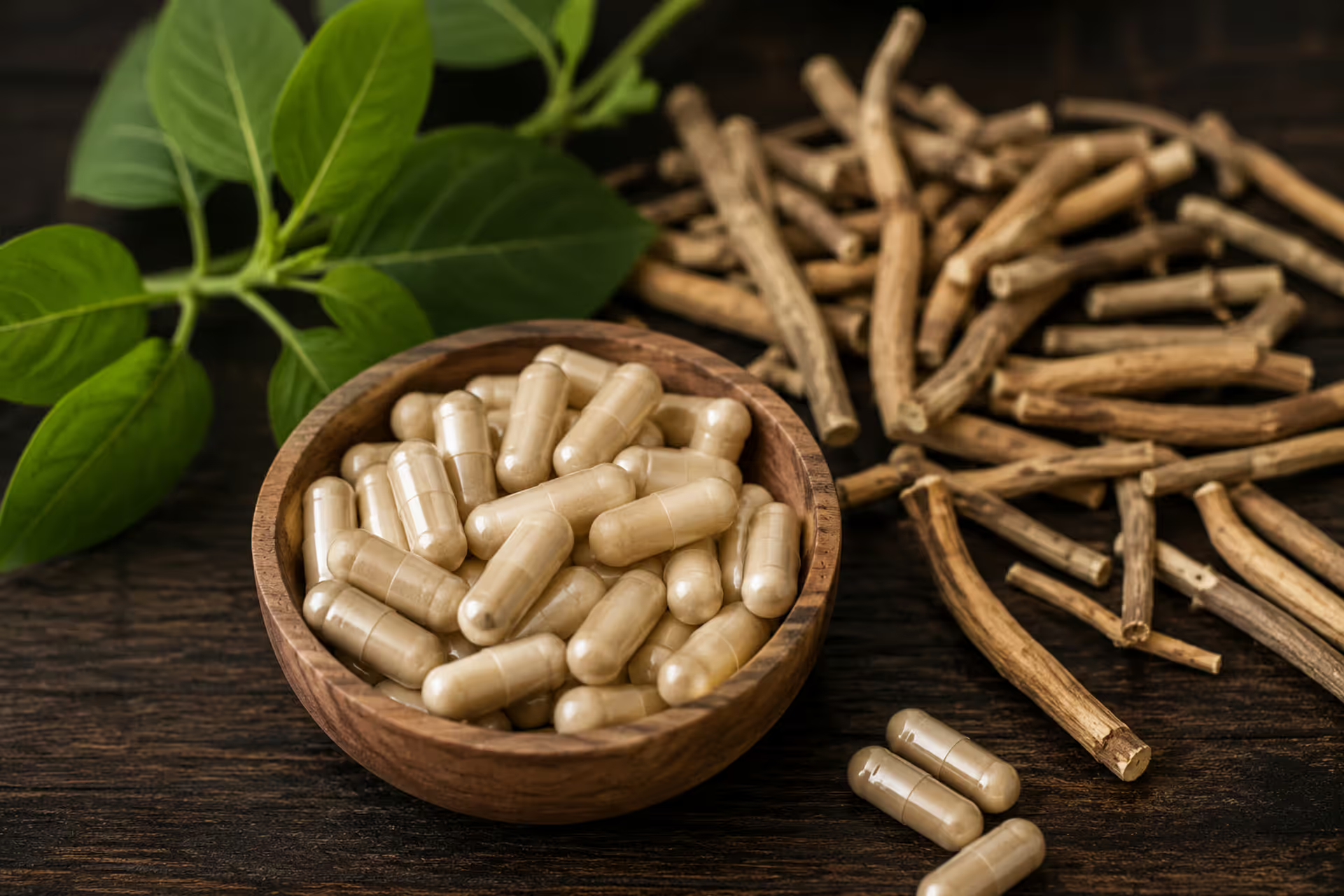
You'll find Withania somnifera growing wild across India, the Middle East, and parts of Africa. Traditional Ayurvedic medicine has relied on this shrubby plant for thousands of years. People call it "Indian ginseng" sometimes, though it's not related to actual ginseng at all.
Scientists classify ashwagandha as an adaptogen. What are adaptogens exactly? Think of them as biological stress buffers—they help your body handle physical and mental pressure without going haywire. When you're stressed, they prevent overreaction. When you're depleted, they prevent collapse.
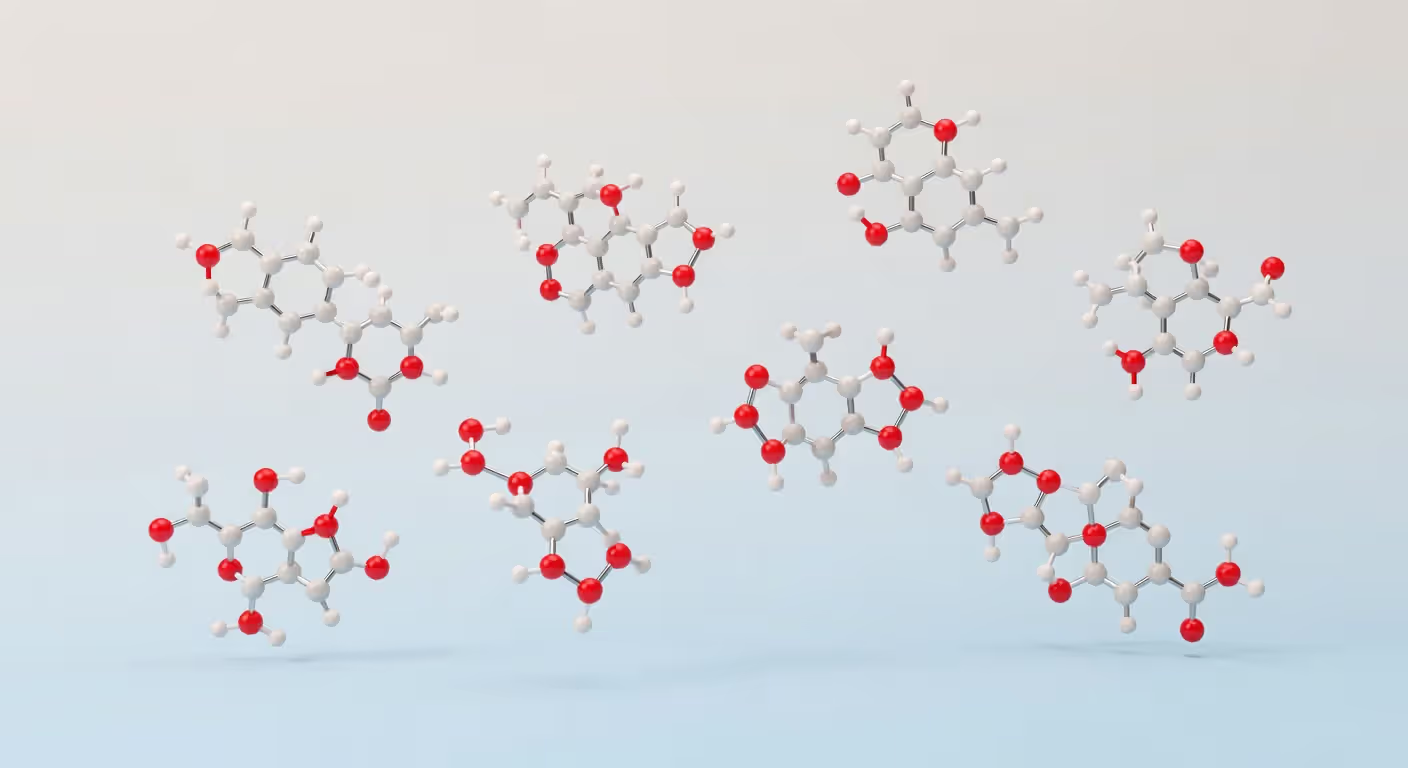
The active ingredients are called withanolides—particularly withaferin A and withanolide D. These compounds interact with your hypothalamic-pituitary-adrenal axis, which basically runs your stress response and hormone production.
Here's how it affects testosterone: when you're chronically stressed, cortisol shoots up. High cortisol actively blocks testosterone production in your testicles. Ashwagandha lowers cortisol, which removes that block—allowing natural testosterone synthesis to resume.
There's also evidence it protects Leydig cells (the testosterone factories in your testes) from oxidative damage through antioxidant and anti-inflammatory mechanisms.
How Ashwagandha Affects Testosterone Levels
The pattern across studies is pretty clear: ashwagandha works best for guys whose testosterone is being suppressed by stress or poor recovery—not healthy men already at peak levels.
A 2025 meta-analysis pooled results from eight randomized controlled trials. Average testosterone increase? 14.7% compared to placebo. But that average hides huge variation between individual studies.
The most impressive results came from a 2019 study with overweight men aged 40-70 who had mild fatigue. After eight weeks taking 600mg daily of ashwagandha root extract, their testosterone jumped 14.7% on average—with some guys seeing increases near 40%. Their cortisol simultaneously dropped 27.9%.
Athletes and gym-goers respond differently. A 2015 trial gave 600mg of KSM-66 ashwagandha to men doing regular strength training. Their testosterone increased 15.3% over eight weeks, versus just 2.7% in the placebo group. These guys also built more muscle and got stronger.
Men dealing with fertility issues might see the biggest changes. A 2013 study with subfertile men showed 17% testosterone increases after 90 days, plus better sperm quality.
The cortisol-testosterone relationship is crucial here. Almost every successful study shows cortisol dropping before or alongside testosterone rising. If your cortisol is already low and testosterone is optimal, don't expect much change.
Here's what the key studies found:
Study Publication Year
Subject Population
Daily Extract Amount
Treatment Length
Testosterone Change
Additional Observations
2019
Overweight men 40-70 with fatigue
600mg root extract
8 weeks
14.7% average gain
Cortisol fell 27.9%
2015
Men doing resistance training
600mg KSM-66
8 weeks
15.3% increase
Placebo group: 2.7%
2013
Subfertile men
5g root powder
90 days
17% boost
Sperm quality improved
2022
Sedentary overweight men
600mg standardized extract
12 weeks
18.6% increase
Strength gains noted
2016
Chronically stressed adults
300mg twice daily
60 days
10.3% rise
Anxiety scores dropped significantly
One major misconception: thinking ashwagandha works like testosterone injections. It doesn't. It can't push your levels from normal into superhuman territory. It just helps restore optimal natural production when something's suppressing it.
Other Health Benefits of Ashwagandha
Testosterone isn't the only thing ashwagandha affects. This herb influences multiple body systems.
Stress reduction has the strongest research backing. Dozens of controlled trials show significant drops in both self-reported stress and measured cortisol levels within 4-8 weeks. If you're dealing with work stress or general anxiety, this is where ashwagandha shines brightest.
Sleep improvements are real too. A 2020 systematic review found that 600mg daily helped people fall asleep faster, stay asleep longer, and feel more rested—especially those with actual insomnia. If you already sleep fine, the effect is less dramatic.
Anxiety relief shows up consistently. One large trial found 600mg daily reduced anxiety scores by 41% after eight weeks, compared to 25% with placebo.
Muscle strength and recovery improve when you combine ashwagandha with weight training. This probably comes from both the testosterone boost and cortisol suppression, which speeds up tissue repair.
Cognitive function—specifically memory and reaction time—shows modest but consistent improvements across several studies. Nothing dramatic, but statistically significant.
Interesting observation: despite being labeled an "energizing" adaptogen traditionally, most people report ashwagandha makes them feel calmer, not wired. That's the stress reduction mechanism doing its job.
Ashwagandha Dosage for Testosterone Support
Most successful testosterone studies used 600mg of concentrated root extract daily, standardized to at least 5% withanolides. That's become the evidence-based standard.
Two main extracts dominate the market. KSM-66 is a full-spectrum root-only extract that preserves the plant's natural compound ratios. Sensoril combines root and leaf with higher withanolide concentrations. Both work, though most testosterone research specifically used KSM-66.
The right ashwagandha dosage varies with extract strength. Some products recommend splitting it—300mg morning and 300mg evening—instead of one 600mg dose. Clinical trials show both approaches work comparably.
Raw ashwagandha root powder requires much higher amounts—typically 5-6 grams daily—because it's less concentrated. While powder is the traditional form, standardized extracts are more practical and better researched.
Timing matters less than consistency. Some people prefer mornings, others evenings. If it makes you slightly drowsy, take it at night. If you don't notice any energy effect, just pick a regular schedule and stick with it.
How Long Does Ashwagandha Take to Work?
Don't expect overnight results. Most studies show measurable testosterone changes starting around week four, with peak effects at 8-12 weeks.
Stress and anxiety improvements often appear sooner—sometimes within 2-3 weeks. Sleep quality might improve in the first week for some people.
Your starting point matters. Men with severely suppressed testosterone from chronic stress might notice faster improvements than someone with borderline-low levels.
Common mistake: quitting too early. Give it at least eight weeks before deciding if it's working. Hormonal changes take time to stabilize.
Ashwagandha works through stress reduction rather than direct hormonal stimulation, which is why we see the best testosterone responses in men with elevated cortisol levels. It's not a replacement for testosterone therapy in cases of clinical hypogonadism, but it can be a useful tool for men whose lifestyle or stress levels are suppressing their natural production.
Potential Side Effects and Who Should Avoid It
Ashwagandha is generally safe, but it's not side-effect-free.
Digestive issues—nausea, loose stools, or stomach discomfort—are the most common complaints, especially when starting or at higher doses. Taking it with food usually fixes this.
Drowsiness or sedation affects some users, particularly above 600mg daily. If this happens, switch to evening dosing or reduce your amount.
Thyroid effects deserve attention. Ashwagandha can increase thyroid hormone levels, which helps hypothyroid people but could cause problems for those with hyperthyroidism or on thyroid medication. Anyone with thyroid conditions should monitor their levels while supplementing.
Autoimmune disorders require medical consultation first. Since ashwagandha can boost immune activity, people with rheumatoid arthritis, lupus, or MS should discuss it with their doctor.
Important medication interactions include:
Thyroid medications (may amplify effects)
Immunosuppressants (may reduce effectiveness)
Sedatives and anti-anxiety drugs (may increase drowsiness)
Diabetes medications (ashwagandha may lower blood sugar)
Pregnancy and breastfeeding are absolute no-gos. Animal studies suggest high doses might increase miscarriage risk, so avoiding it during pregnancy is the smart move.
If you have surgery scheduled, stop ashwagandha at least two weeks beforehand, as it may affect blood sugar control during and after the procedure.
Does Ashwagandha Really Work? Evaluating the Evidence
Honest answer: it depends on what you mean by "work" and who's taking it.
For stressed men with suppressed testosterone? The evidence is solid. Multiple well-designed trials show consistent improvements in testosterone, cortisol, and stress markers.
For healthy young guys with optimal testosterone and low stress? The evidence gets much weaker. You might see small recovery and muscle benefits during hard training, but dramatic testosterone jumps are unlikely.
Study quality varies. Early research was often small or poorly controlled. Recent studies use better methods, though we still need larger, longer trials.
Compared to other natural testosterone boosters? Ashwagandha has better evidence. Tribulus terrestris, for instance, has mostly failed to show testosterone benefits in rigorous trials. Fenugreek has some positive data but fewer total studies.
Compared to actual testosterone replacement therapy? There's no comparison. If you have clinically diagnosed low testosterone (under 300 ng/dL), ashwagandha won't fix that. A 15-20% increase isn't enough to reverse true hypogonadism.
Setting realistic expectations is crucial. If your total testosterone is 450 ng/dL with chronic stress suppressing it, ashwagandha might get you to 520-550 ng/dL. That's physiologically meaningful but not life-changing for most guys.
Best candidates for ashwagandha:
Men with chronic stress and high cortisol
Athletes training hard without adequate recovery
Guys with borderline-low testosterone and identifiable stressors
People with stress-related sleep problems
Poor candidates:
Men with already-optimal testosterone and minimal stress
Anyone expecting steroid-like muscle gains
People looking for shortcuts instead of fixing basic lifestyle factors
FAQ: Ashwagandha and Testosterone Questions Answered
Can women take ashwagandha for testosterone?
Yes, and research suggests potential benefits. Women produce testosterone too—just in smaller amounts—where it affects libido, energy, and muscle maintenance. A 2015 study found ashwagandha improved sexual function in women, possibly through combined testosterone increase and stress reduction. Women with PCOS who already have elevated testosterone should be more cautious and monitor their levels, since ashwagandha might raise them further. Standard dosing and safety considerations are similar for both sexes.
How much does ashwagandha increase testosterone?
Studies typically show increases ranging from 10-20% in responsive men. The range extends from basically no change in healthy, low-stress individuals to gains exceeding 40% in highly stressed men with suppressed baseline levels. Your individual response depends on starting testosterone, cortisol status, age, training demands, and overall health. Expecting to double your testosterone isn't realistic or supported by research.
Should I take ashwagandha in the morning or at night?
Both work fine, though individual responses differ. If you feel calming or mildly sedative effects, take it in the evening 30-60 minutes before bed. If it doesn't noticeably affect your energy, morning with breakfast works perfectly. Some protocols split the dose—300mg morning and 300mg evening—which mirrors several successful study designs. Consistency beats specific timing, so pick a schedule you'll actually stick with long-term.
Can ashwagandha replace testosterone therapy?
Absolutely not. If you've been diagnosed with clinical hypogonadism (typically testosterone under 300 ng/dL with symptoms), ashwagandha can't provide adequate replacement. It can optimize natural production when lifestyle factors create suppression, but it can't compensate for testicular failure, pituitary dysfunction, or severe age-related decline. Think of it as an optimization tool for men in low-normal to normal ranges, not a treatment for genuine testosterone deficiency requiring medical care.
Does ashwagandha interact with other supplements?
Generally, ashwagandha combines safely with most common supplements. It's often stacked with vitamin D, zinc, and magnesium for testosterone support without issues. Use caution combining it with other sedating supplements like valerian or high-dose magnesium if you're sensitive to drowsiness. When taking multiple adaptogens (rhodiola, holy basil, etc.), you might not get additional benefits from adding ashwagandha—one quality adaptogen usually suffices.
Is ashwagandha safe for long-term use?
Studies extending to 12 months haven't found serious safety concerns in healthy adults. Traditional use patterns suggest long-term safety. However, some practitioners recommend cycling—using it for 8-12 weeks, then taking 2-4 weeks off—though limited research directly compares continuous versus intermittent approaches. During long-term use, get periodic bloodwork monitoring thyroid function and liver enzymes, especially if you have pre-existing conditions.
Ashwagandha won't turn you into a hormonal powerhouse, but it ranks among the better-validated natural options for men experiencing stress-related testosterone suppression. Success requires realistic expectations and understanding it works best as one piece of a comprehensive approach including adequate sleep, proper nutrition, and stress management. If chronic stress is crushing your testosterone and you've already optimized basic lifestyle factors, ashwagandha deserves an eight-week trial to see how you respond.