Every moment you're alive, trillions of molecular reactions happen inside you. Some produce unstable compounds that damage healthy tissue—a process scientists have tracked for decades. These rogue molecules, called free radicals, strip electrons from your DNA, proteins, and cell walls. The result? Accelerated aging, chronic inflammation, and increased disease risk. Fortunately, specific nutrients can intercept this damage. Certain vitamins possess the chemical structure needed to neutralize free radicals before they harm you. Learning which vitamins offer this protection—and how to get enough of them—gives you practical tools for preserving cellular health.
What Are Antioxidant Vitamins and How Do They Work
Antioxidant vitamins are micronutrients with a special molecular trait: they can give away electrons without turning destructive afterward. Most vitamins help your body build tissues or run metabolic processes. These particular ones—primarily vitamins E, C, and A—also shield cells from oxidation.
Picture a molecular bouncer at a nightclub. When an unstable molecule tries to steal an electron from your cell membrane, the antioxidant vitamin steps in and hands over one of its own electrons instead. The would-be thief becomes stable. Your cell stays intact. The vitamin, now slightly altered, either gets recycled by other antioxidants or exits your body safely.
This electron donation stops what could become a destructive chain reaction. One damaged molecule often creates another, which damages another, spreading harm like falling dominoes. Antioxidants vitamins catch that first domino.
The Role of Antioxidants in Cellular Protection
Your cellular machinery faces constant oxidative threats. DNA strands, membrane lipids, and structural proteins all make tempting targets for electron-hungry molecules. Over months and years, accumulated hits from these molecules contribute to visible aging and internal deterioration—cardiovascular problems, joint inflammation, cognitive decline.
Protective antioxidants station themselves throughout your body. Some guard the fatty parts of cells. Others patrol watery environments like blood plasma. When they encounter reactive molecules, they neutralize them through reduction—essentially calming the aggressor by satisfying its electron deficit.
Here's what most people miss: different antioxidants protect different cellular zones. Vitamin E embeds in cell membranes because it dissolves in fat. Vitamin C circulates in your bloodstream and cellular fluid because it dissolves in water. You can't rely on just one type. Your cells need multiple antioxidants positioned in various locations to achieve full-spectrum protection.
How Vitamins Neutralize Free Radicals
The chemistry behind neutralization is surprisingly elegant. Reactive molecules lack a complete outer electron shell, making them grab electrons from whatever's nearby. This theft converts a stable molecule into a damaged one—which might then steal from its neighbor, perpetuating damage.
Antioxidant vitamins have molecular structures that allow electron donation without destabilization. When vitamin C gives up an electron to a reactive oxygen species, the vitamin transforms into a relatively benign form. Your body can often regenerate it back to active form using other nutrients, or simply flush it out. The formerly reactive molecule, now satisfied, stops attacking.
But there's a limitation: once an antioxidant donates its electron, it needs replacement or regeneration. Your body doesn't warehouse these vitamins indefinitely. Water-soluble ones like vitamin C get used and excreted within hours. Fat-soluble ones like vitamin E last longer in tissues but still require regular replenishment through diet. Daily intake matters more than occasional megadoses.
Examples of Free Radicals in the Body and Their Sources
Several varieties of reactive molecules form inside you constantly. Understanding specific examples of free radicals in the body clarifies why antioxidant protection isn't optional—it's essential for basic cellular maintenance.
Superoxide ranks among the most abundant. Your mitochondria generate it as an unavoidable byproduct when they convert food and oxygen into cellular energy. Literally every breath you take and every calorie you burn produces some superoxide. Normally, enzymes like superoxide dismutase handle this production. Problems arise when generation outpaces your capacity to neutralize it.
Hydroxyl radicals represent the most destructive type. They react instantly with nearly any biological molecule—DNA, proteins, membrane lipids. Your body creates them when iron or copper ions interact with hydrogen peroxide, a reaction occurring continuously at low levels throughout your tissues. No enzyme can neutralize hydroxyl radicals directly; you need antioxidant molecules to intercept them.
Hydrogen peroxide, while not technically a free radical, still qualifies as a reactive oxygen species. Your white blood cells actually manufacture it on purpose to kill invading bacteria. That's helpful during infections. Less helpful: when excess hydrogen peroxide accumulates, it damages your own cells. Antioxidants that break down hydrogen peroxide provide crucial protection.
These molecules originate from both internal processes and external exposures.
Your own metabolism creates them. Digesting food generates oxidative byproducts. Immune responses deliberately produce reactive molecules to destroy pathogens. Even exercise temporarily spikes free radical production—which is why athletes need robust antioxidant intake despite exercise being healthy overall. Inflammation creates a particularly vicious feedback loop, generating free radicals that cause more inflammation.
External sources bombard you daily. Ultraviolet radiation from sunlight, particulate matter in air pollution, chemicals in cigarette smoke, pesticide residues on food, and industrial solvents all trigger free radical formation once they enter your body. Fried foods and rancid fats contain oxidized molecules that add to your burden. You'll never eliminate exposure completely, but you can strengthen your defenses.
Understanding Oxidative Stress and Its Health Impact
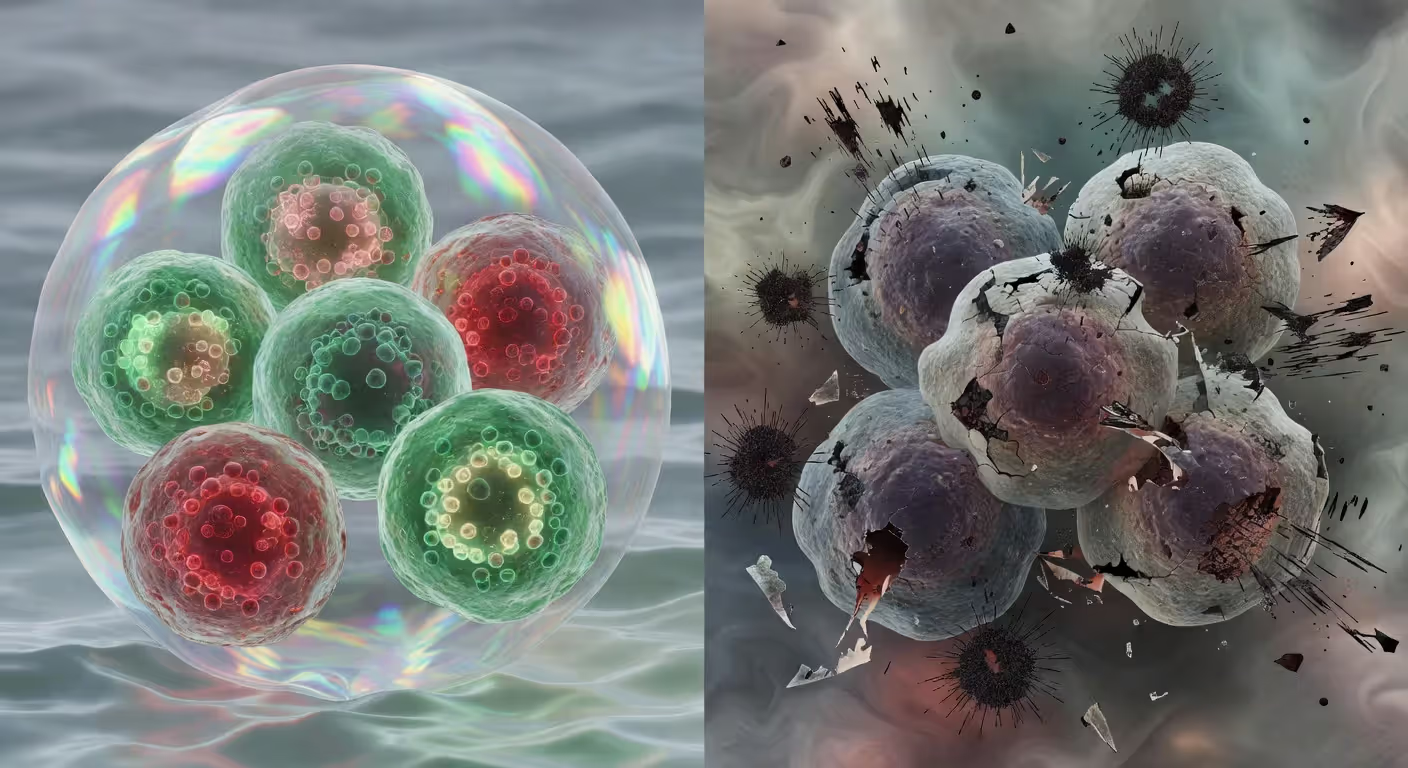
Oxidative stress happens when free radical production exceeds your antioxidant defenses. It's not about whether reactive molecules exist—they always do. It's about balance. When the scale tips toward damage faster than repair, problems accumulate.
Imagine a sink with water running and the drain partially clogged. A small flow gets handled fine. But increase the faucet or clog the drain further, and water overflows. Similarly, when free radical generation exceeds your antioxidant capacity, oxidative damage floods your system.
The health consequences span nearly every chronic disease. Oxidative stress contributes to atherosclerosis by modifying LDL cholesterol particles, making them more likely to lodge in arterial walls and form plaques. It damages insulin-producing cells in your pancreas, contributing to type 2 diabetes development. It accelerates brain aging and appears in the pathology of Alzheimer's, Parkinson's, and other neurodegenerative conditions.
Cancer development frequently involves oxidative DNA damage. When free radicals strike your genetic material, they can create mutations. Most get repaired, but some slip through, potentially leading to abnormal cell growth. While antioxidants alone won't prevent cancer, chronic oxidative stress definitely increases risk across multiple cancer types.
Aging itself partially reflects decades of accumulated oxidative hits. Visible signs—wrinkles, age spots, sagging skin—mirror underlying cellular deterioration. Free radicals break down collagen and elastin, the proteins that maintain skin structure and elasticity. Internal organs face similar gradual degradation, just less visible.
Inflammation and oxidative stress create a destructive partnership. Inflammatory responses generate reactive molecules. Those molecules damage cells, triggering more inflammation. This cycle perpetuates itself unless you address both components simultaneously through diet, lifestyle, and sometimes medication.
Here's a nuance many miss: you don't want zero free radicals. Low levels serve important signaling functions. They help regulate which genes get activated, support immune responses against pathogens, and trigger beneficial adaptations to exercise stress. The goal isn't elimination—it's maintaining healthy equilibrium between production and neutralization.
Key Vitamins with Antioxidant Properties
Three vitamins deliver the most significant antioxidant protection: E, C, and A. Each operates in different cellular environments and uses distinct mechanisms. Getting adequate amounts of all three provides layered defense.
Vitamin E Antioxidant Functions and Benefits
Vitamin E specializes in protecting fatty tissues. It dissolves in lipids, allowing it to embed directly into cell membranes where it guards against lipid peroxidation—a chain reaction where free radicals destroy membrane fats. Since membranes form the boundary of every cell, this protection is fundamental.
The vitamin e antioxidant effect proves most critical in fat-rich tissues: brain cells, nerve fibers, and red blood cell membranes. It particularly protects polyunsaturated fatty acids, which contain multiple double bonds that make them especially vulnerable to oxidative attack.
Eight different compounds qualify as vitamin E, but alpha-tocopherol shows the strongest biological activity in humans. After neutralizing a free radical, vitamin E becomes oxidized itself. But vitamin C can restore it to active form—an example of how antioxidants work better together than in isolation. This regeneration means the same vitamin E molecule can potentially neutralize multiple free radicals.
Studies suggest vitamin E might lower cardiovascular disease risk by preventing oxidation of LDL cholesterol particles. It supports immune function, with particularly noticeable benefits in older adults whose immune systems naturally weaken. Some research indicates it may help preserve cognitive function during aging, though findings remain mixed.
Sunflower seeds, almonds, hazelnuts, spinach, and avocados rank among the richest sources. Wheat germ oil contains exceptionally high concentrations. Most Americans consume 7-10 mg daily from food—below the 15 mg RDA. Since vitamin E is fat-soluble, your body stores it in tissues, so you don't need it every single day. But regular intake maintains optimal levels.
Vitamin C as a Water-Soluble Antioxidant
Vitamin C protects the watery compartments of your body—blood plasma, the fluid inside cells, and extracellular spaces. It neutralizes diverse reactive species including superoxide, hydroxyl radicals, and nitrogen-based oxidants.
Beyond directly quenching free radicals, vitamin C regenerates spent antioxidants. It restores oxidized vitamin E, glutathione, and other protective compounds to active form, multiplying their effectiveness. This recycling capacity makes vitamin C a linchpin of your entire antioxidant network.
Vitamin C also enables collagen production, accelerates wound healing, and bolsters immune cells. Its antioxidant properties support these functions by shielding newly synthesized collagen from oxidative damage and protecting immune cells while they deploy their own free radicals against bacteria and viruses.
Humans can't manufacture vitamin C—we must obtain it from external sources daily. Because it dissolves in water, your kidneys excrete excess rather than storing it. This means consistent daily intake matters more than sporadic large doses.
Red bell peppers, citrus fruits, strawberries, kiwi, broccoli, and Brussels sprouts provide abundant vitamin C. Surprisingly, red peppers contain more per serving than oranges do. Heat destroys vitamin C, so raw or minimally cooked sources deliver maximum amounts.
The RDA sets 90 mg for men and 75 mg for women as the minimum to prevent deficiency. Many nutrition experts recommend 200 mg daily for optimal antioxidant protection. Smokers need an additional 35 mg because tobacco smoke dramatically increases oxidative stress.
Vitamin A and Beta-Carotene
Vitamin A itself has antioxidant activity, but its precursor—beta-carotene—functions as an even more powerful antioxidant. Beta-carotene is a carotenoid pigment responsible for orange and red colors in produce. Your body converts it to vitamin A as needed, while unconverted beta-carotene continues working as an antioxidant.
Beta-carotene excels at neutralizing singlet oxygen, a reactive species generated by ultraviolet light exposure. This makes it especially protective for skin and eyes, which face constant light bombardment. Research indicates adequate intake may reduce age-related macular degeneration and cataract risk.
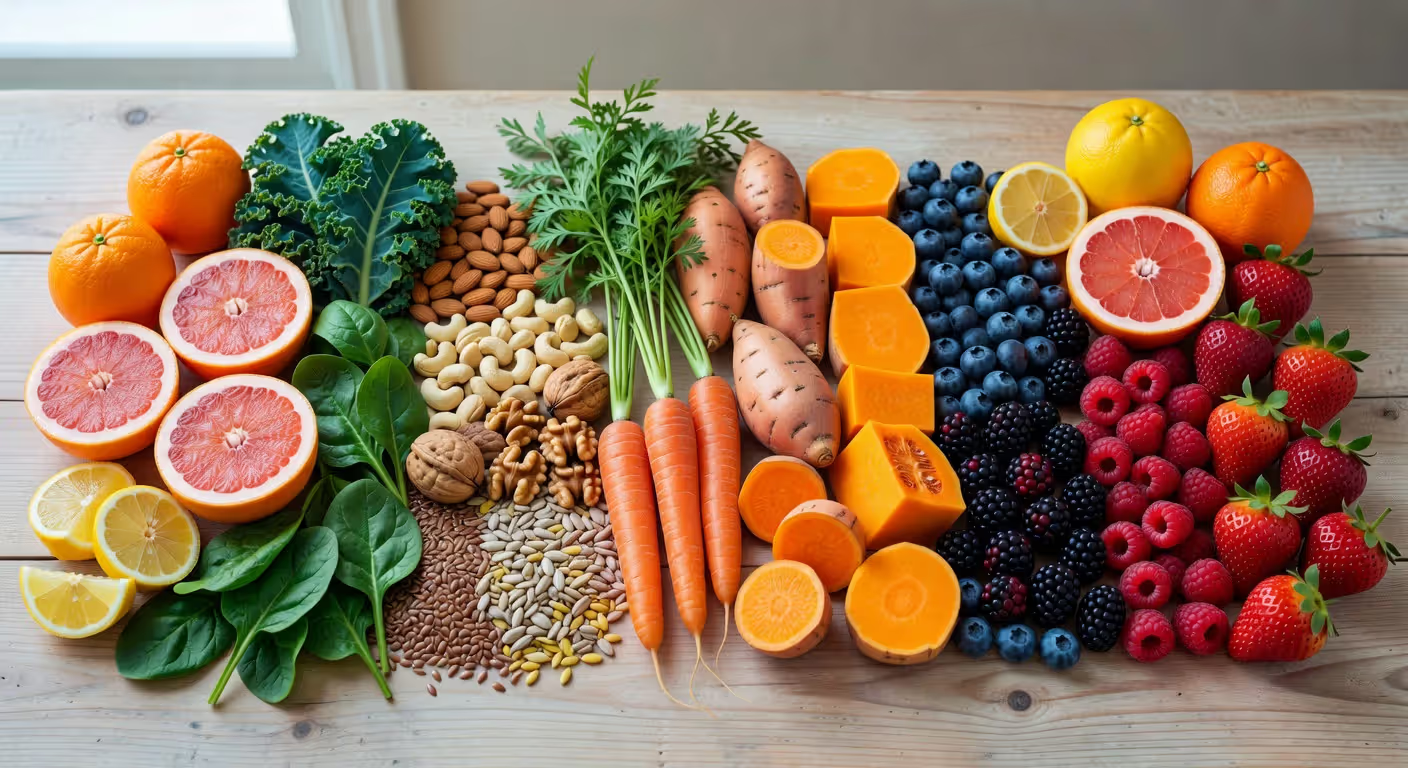
Animal sources like liver, fish, eggs, and dairy provide preformed vitamin A (retinol). Plant foods—carrots, sweet potatoes, pumpkin, spinach, kale, cantaloupe—supply beta-carotene. Deeper orange or green colors indicate higher concentrations.
Here's a critical finding: high-dose beta-carotene supplements increased lung cancer risk in smokers during several clinical trials. This adverse effect doesn't apply to food sources, which provide moderate amounts alongside hundreds of other protective compounds. It's a stark reminder that isolated supplements don't replicate whole food benefits.
Top Antioxidant Foods to Add to Your Diet
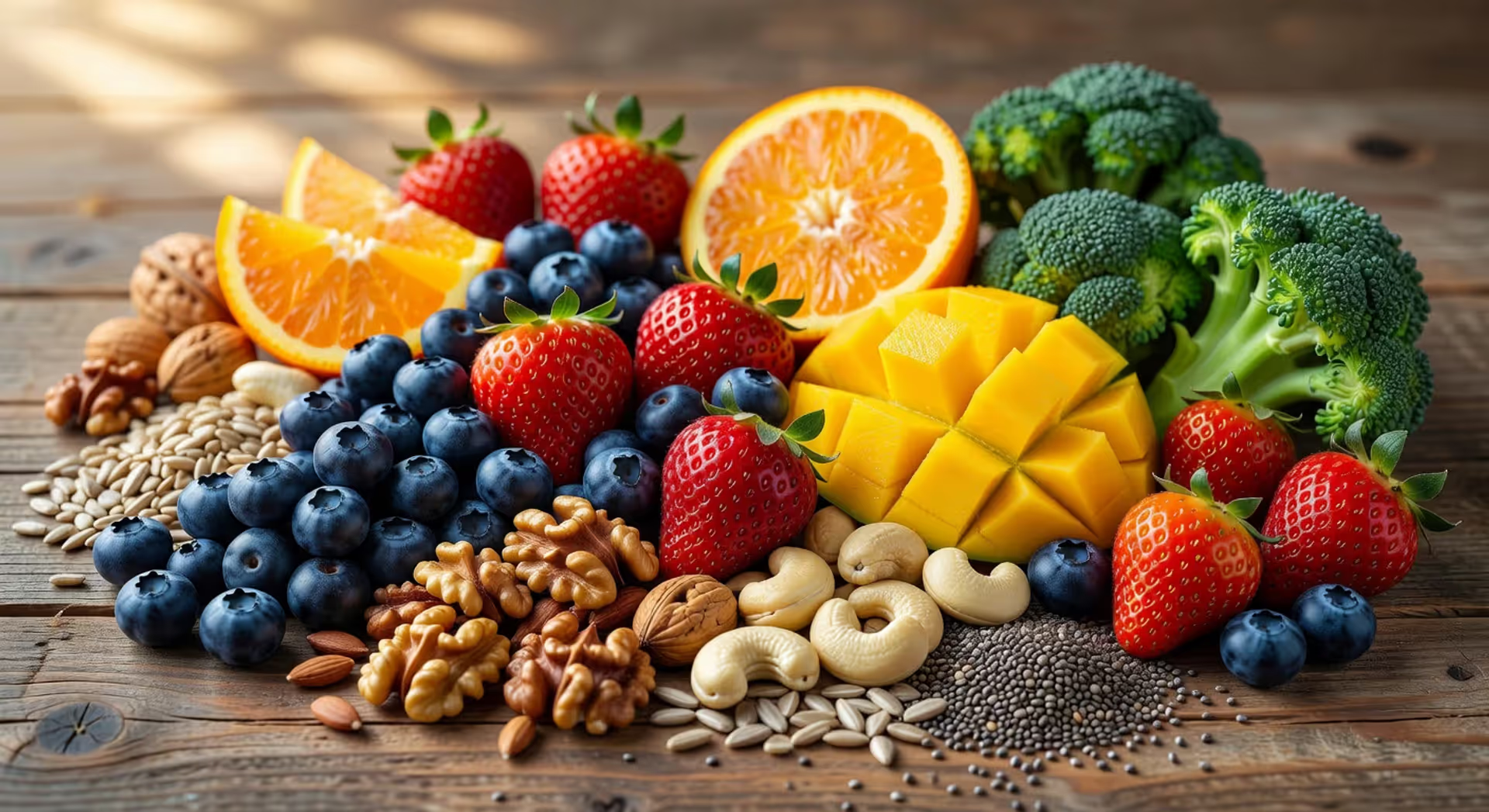
Whole foods beat supplements for obtaining antioxidant vitamins in most situations. Foods deliver not just vitamins but fiber, minerals, and phytochemicals that enhance each other's effects. Plus, your body naturally regulates absorption from food, making overconsumption nearly impossible.
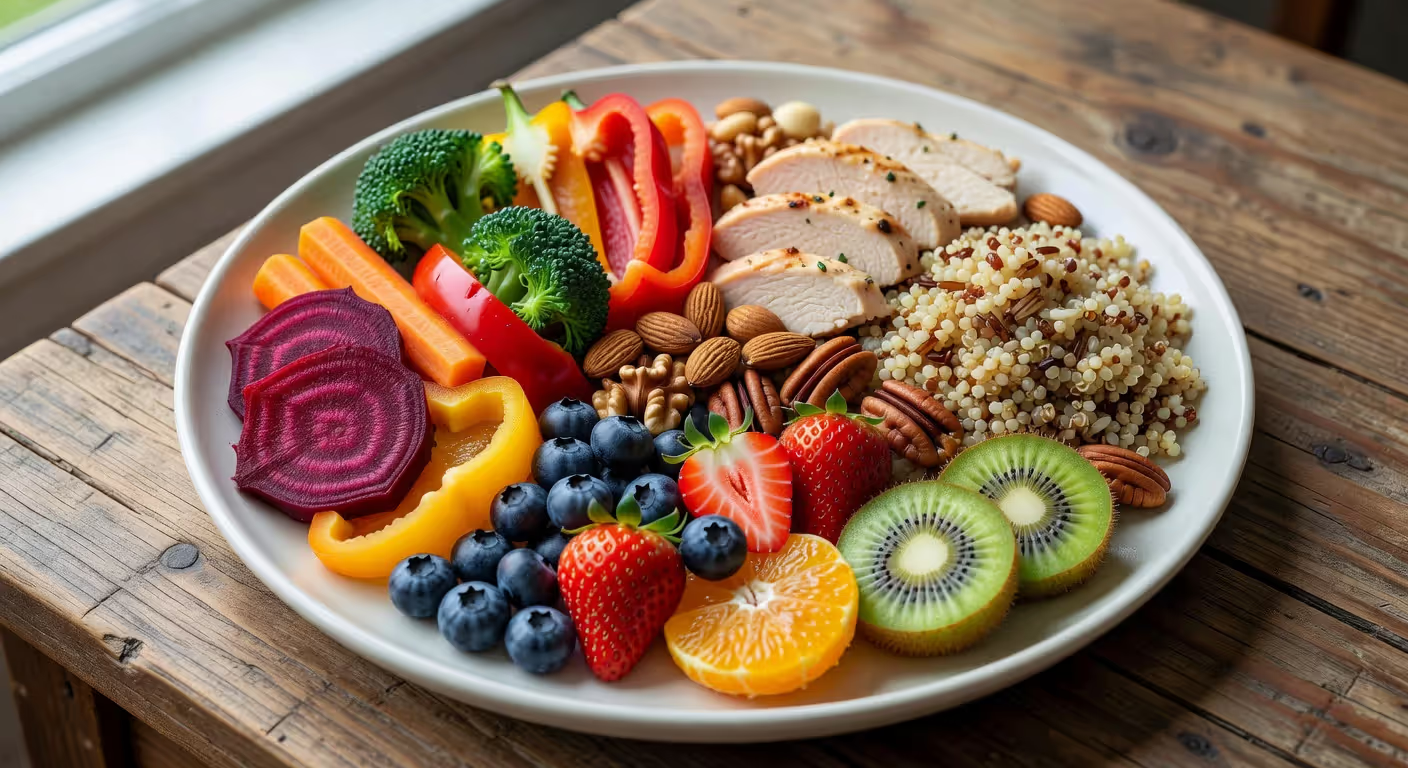
The simplest strategy: eat diverse colors. Pigments that give produce their hues often function as antioxidants, so a multicolored plate typically means comprehensive antioxidant coverage.
Here's how top antioxidant-rich foods compare by their dominant vitamin:
Vitamin Type
Primary Antioxidant Function
Best Food Sources
RDA for Adults
Vitamin E
Guards cell membranes and fatty tissues against oxidation
Don't overlook foods rich in other antioxidant compounds beyond these three vitamins. Berries contain anthocyanins. Green tea delivers catechins. Dark chocolate (70% cacao or higher) provides flavonoids. Tomatoes supply lycopene. Nuts and seeds offer selenium, which supports your body's own antioxidant enzymes.
Practical tips for maximizing your intake:
Consume some produce raw. Cooking destroys vitamin C and degrades other heat-sensitive antioxidants. A salad featuring raw bell peppers, spinach, and strawberries preserves their full antioxidant potential.
Combine fat with fat-soluble vitamins. Add nuts or avocado to salads so you absorb the vitamin E and beta-carotene. Drizzle olive oil on cooked carrots or sweet potatoes to enhance absorption.
Keep the skins when safe to do so. Apple peels, potato skins, and cucumber skins concentrate antioxidants. Scrub produce thoroughly and eat it unpeeled when appropriate.
Use frozen produce when fresh isn't practical. Freezing happens at peak ripeness, often preserving more antioxidants than fresh produce that's been shipped long distances and stored for days.
The research is clear: people who get their antioxidants from whole foods have better health outcomes than those relying on supplements. Foods provide a complex matrix of nutrients that work together in ways we're still discovering. A supplement might give you isolated vitamin C, but an orange gives you vitamin C plus fiber, folate, potassium, and dozens of phytochemicals that enhance the vitamin's effectiveness. Unless you have a diagnosed deficiency or specific medical need, your best strategy is building a diet rich in colorful plant foods.
How Much Antioxidant Vitamins Do You Need Daily
The Recommended Dietary Allowance (RDA) indicates the amount needed to prevent deficiency in most healthy individuals. But preventing deficiency differs from optimizing protection. Many experts suggest intakes above the RDA for maximum antioxidant benefit, though upper limits exist where risks emerge.
For vitamin E, the RDA stands at 15 mg (22 IU) of alpha-tocopherol per day. The tolerable upper intake level reaches 1,000 mg (1,500 IU) from supplements. Most Americans consume 7-10 mg from diet alone, falling short of even the basic recommendation. Since vitamin E is fat-soluble, it accumulates in your tissues, so daily intake isn't absolutely necessary—but consistent consumption is ideal.
Women need 75 mg of vitamin C daily; men need 90 mg according to RDA guidelines. The upper tolerable limit sits at 2,000 mg per day. Being water-soluble, excess vitamin C exits through urine, making toxicity uncommon. However, doses exceeding 1,000 mg can trigger digestive discomfort in some individuals. For optimal antioxidant protection, 200-500 mg daily from combined food and supplement sources makes sense for most people.
Vitamin A gets measured in micrograms of retinol activity equivalents (RAE). Women need 700 mcg RAE daily; men need 900 mcg RAE. The upper limit for preformed vitamin A (from animal sources) is 3,000 mcg because excessive amounts cause toxicity—potentially damaging your liver and causing birth defects during pregnancy. Beta-carotene from plants doesn't carry this risk since your body converts only what it requires.
Should you supplement or rely solely on food? That depends on your circumstances. If you eat varied meals with abundant produce, nuts, and seeds, you're likely meeting your needs. But certain situations warrant supplementation:
Older adults often benefit from extra vitamin E and C because antioxidant defenses naturally decline with age. Smokers and people with high pollution exposure need higher vitamin C intake to counter increased oxidative stress. Those with digestive disorders that impair fat absorption may require vitamin E supplements. Strict vegans might need vitamin A supplementation if they don't consume enough orange and leafy green vegetables.
Taking extremely high doses of isolated antioxidants is a common error. Studies of high-dose beta-carotene, vitamin E, and vitamin A supplements have sometimes revealed increased health risks rather than benefits. The probable explanation: antioxidants function as a coordinated team, and flooding your system with one type disrupts natural balance.
Safety matters significantly. Fat-soluble vitamins (E and A) can accumulate to toxic concentrations with chronic high-dose supplementation. Vitamin E exceeding 400 IU daily may increase bleeding risk, especially problematic if you take blood-thinning medications. High-dose vitamin A during pregnancy causes serious birth defects.
If you choose supplements, take them alongside meals for better absorption. Fat-soluble vitamins require dietary fat for absorption. Vitamin C absorbs more efficiently when divided into smaller doses throughout the day rather than one large dose.
FAQ: Antioxidant Vitamins Questions Answered
Can you take too many antioxidant vitamins?
Yes, definitely. While getting antioxidants from food is safe, high-dose supplements create problems. Vitamin E exceeding 1,000 mg daily may increase bleeding risk and has been associated with higher mortality in certain studies. Too much vitamin A (the preformed retinol type) causes toxicity—liver damage, bone problems, and severe birth defects. Even vitamin C above 2,000 mg daily triggers diarrhea, nausea, and kidney stones in susceptible individuals. Your safest bet is meeting needs through food and using supplements only when necessary at moderate doses.
Do antioxidant supplements work as well as food sources?
Not usually. Whole foods deliver antioxidant vitamins bundled with fiber, minerals, and hundreds of phytochemicals that enhance each other's effects. Studies consistently demonstrate that people eating antioxidant-rich foods have better health outcomes than those taking isolated supplements. Some supplement trials have actually shown harm, like elevated lung cancer risk in smokers taking high-dose beta-carotene. Food provides balanced amounts in forms your body evolved to recognize and utilize efficiently. Supplements serve a purpose for deficiencies or specific medical needs, but they can't duplicate whole food complexity.
Which vitamin is the strongest antioxidant?
That depends on the environment. In fatty tissues like cell membranes, vitamin E performs best. In watery compartments like blood plasma, vitamin C dominates. Beta-carotene excels at neutralizing singlet oxygen from UV exposure. Rather than one "strongest" option, you need the appropriate antioxidant positioned in the right location. This explains why dietary variety matters—different antioxidants protect different body compartments. If forced to pick one based on versatility and safety profile, vitamin C would top the list due to its broad activity and minimal toxicity risk.
How long does it take for antioxidant vitamins to work?
Immediate effects occur within hours. After eating vitamin C-rich food, blood concentrations peak within two to three hours, delivering rapid antioxidant protection. But meaningful health improvements from consistent intake require weeks to months. Reducing oxidative stress markers typically demands four to eight weeks of adequate intake. Long-term chronic disease prevention benefits emerge over years of sustained consumption. Don't expect instant transformation. Consider antioxidants as daily maintenance preventing gradual deterioration rather than a quick remedy for existing damage.
Can antioxidant vitamins prevent cancer?
The relationship proves complex and less straightforward than scientists initially hoped. While oxidative stress contributes to cancer development, and populations eating antioxidant-rich diets show lower cancer rates, high-dose antioxidant supplements haven't demonstrated consistent cancer prevention in clinical trials. Some studies actually found increased cancer risk with certain supplements. Current scientific consensus indicates that obtaining antioxidants from a varied diet rich in fruits and vegetables supports cancer prevention, but isolated supplements aren't a magic solution. Other factors—genetics, overall diet quality, physical activity, and avoiding tobacco—matter more than any single nutrient.
Should I take antioxidant vitamins on an empty stomach?
That depends which one. Water-soluble vitamin C can be taken anytime, with or without food, though consuming it with meals may reduce stomach upset in sensitive individuals. Fat-soluble vitamins E and A must accompany food containing fat for proper absorption—without fat present, you'll absorb very little. Taking them with your largest meal, which likely contains some fat, ensures optimal absorption. Vitamin E absorption specifically increases significantly when consumed with a meal containing at least 5-10 grams of fat. The straightforward rule: take vitamin C whenever convenient, but always consume vitamins E and A alongside food.
Your cells endure oxidative assault constantly, but antioxidant vitamins offer powerful protection. Focus on building a colorful, varied diet abundant in fruits, vegetables, nuts, and seeds. These whole foods supply balanced amounts of vitamins E, C, and A alongside countless other protective compounds. Reserve supplements for specific needs rather than making them your primary strategy. With consistent intake of antioxidant-rich foods, you're equipping your body with defenses needed to neutralize free radicals, reduce oxidative stress, and support long-term health.