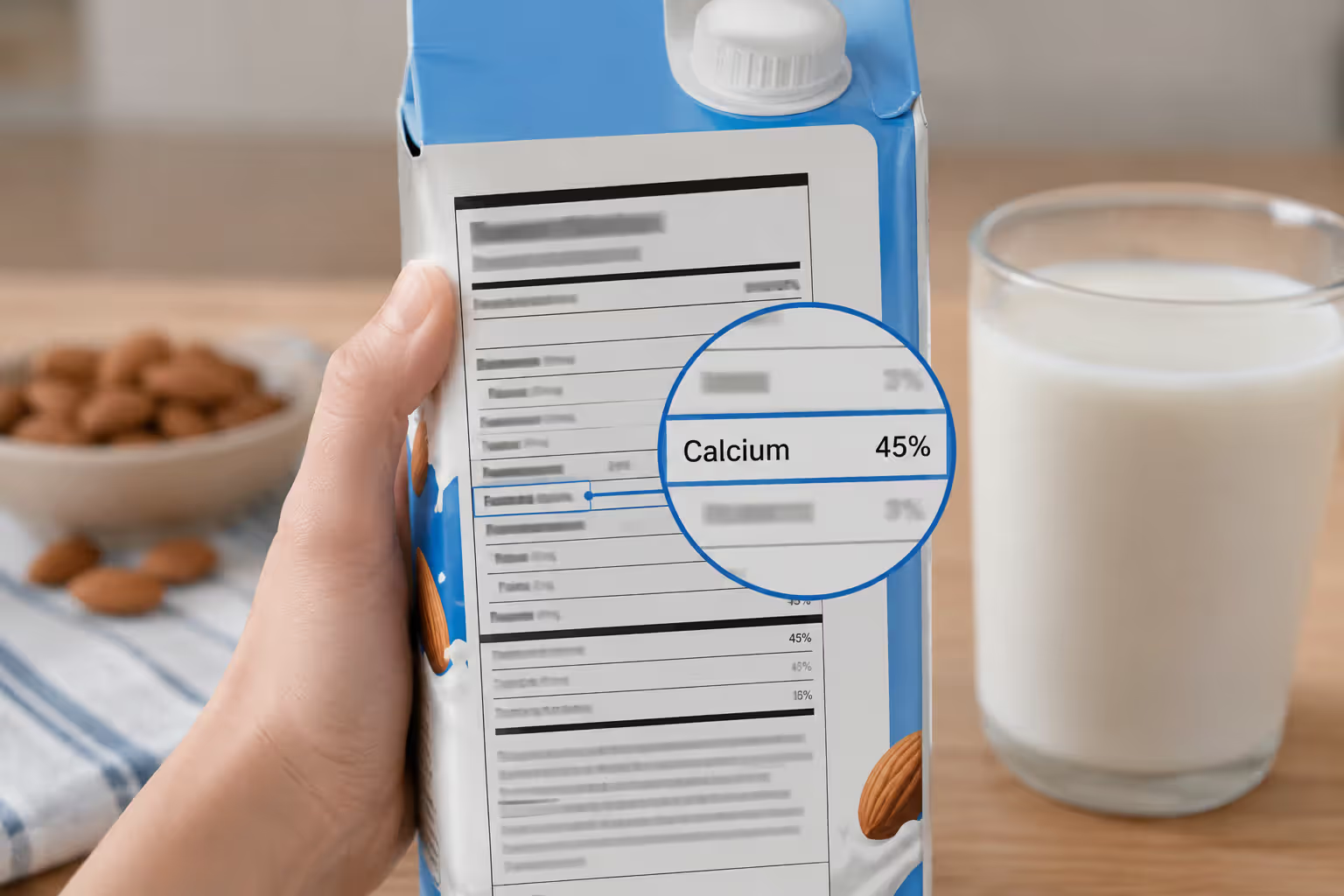
Almond milk has become one of the most popular dairy alternatives in American grocery stores. You'll find it in coffee shops, smoothie bars, and refrigerators across the country. But what's actually in this plant-based beverage? How does it stack up nutritionally against traditional cow's milk, especially when it comes to calcium and calories? Let's break down exactly what you're getting in each glass.
What Is Almond Milk and How Is It Made?
Almond milk is a plant-based beverage made by blending almonds with water, then straining out the solids. The result is a creamy, slightly nutty liquid that works as a dairy substitute in everything from cereal to baking.
The basic process is simple. Almonds get soaked overnight to soften ithem. Then they're blended with fresh water at a ratio of roughly 1 cup almonds to 3-4 cups water. After blending, the mixture goes through a fine-mesh strainer or cheesecloth. What remains is almond milk. The leftover almond pulp can be dried and used as almond flour.
Commercial almond milk contains additional ingredients. You'll typically see stabilizers like gellan gum or locust bean gum to prevent separation. Many brands add sweeteners, vanilla extract, or cocoa. Salt is common too.
Here's where fortification matters. Plain almond milk made from just almonds and water doesn't contain much calcium, vitamin D, or B12. Most commercial brands add these nutrients to make the nutritional profile closer to dairy milk. Fortified versions typically contain calcium carbonate, vitamin D2 or D3, and vitamin E.
Unfortified almond milk exists, usually in specialty or organic sections. It's closer to what you'd make at home. The trade-off? You miss out on those added nutrients that many people rely on when choosing almond milk as a dairy replacement.
Calories in Almond Milk Compared to Dairy
One of almond milk's biggest selling points is its low calorie count. Unsweetened almond milk contains roughly 30-40 calories per cup. Compare that to whole cow's milk at 150 calories per cup, and you can see why calorie-conscious consumers gravitate toward it.
The numbers shift with different varieties:
Unsweetened almond milk: 30-40 calories per cup
Sweetened almond milk: 60-80 calories per cup
Vanilla almond milk: 70-90 calories per cup
Whole cow's milk: 150 calories per cup
2% cow's milk: 120 calories per cup
Skim cow's milk: 80 calories per cup
Why such a massive difference? Almonds themselves are calorie-dense, but almond milk is mostly water. Commercial almond milk typically contains only 2-3% almonds by weight. The rest is water and additives. Cow's milk, by contrast, contains significant amounts of naturally occurring fat, protein, and lactose (milk sugar), all of which contribute calories.
For weight management, unsweetened almond milk wins. You can use it in coffee, smoothies, or cereal without adding substantial calories to your daily intake. But here's the catch: that low calorie count also means less protein and fat, which affect satiety. You might feel hungry sooner after a bowl of cereal with almond milk versus dairy milk.
The pattern I see most often is people switching to almond milk to cut calories, then wondering why they're hungrier between meals. It's not magic—you're consuming fewer calories, but also less of the macronutrients that keep you full.
How Much Calcium in Almond Milk?
Most fortified almond milk contains 450-460 mg of calcium per cup. That's actually more than cow's milk, which has about 300 mg per cup. The calcium in almond milk comes from added calcium carbonate, not from the almonds themselves.
Let's put this in perspective. Adults need 1,000-1,200 mg of calcium daily, depending on age and sex. One cup of fortified almond milk provides roughly 45% of your daily requirement. That's substantial.
But there's a wrinkle: bioavailability. Not all calcium absorbs equally well. The calcium in cow's milk comes packaged with lactose and casein, which may enhance absorption. Calcium carbonate in fortified almond milk absorbs reasonably well, especially when consumed with food, but some research suggests it's slightly less bioavailable than dairy calcium.
Does this matter practically? For most people, no. If you're drinking fortified almond milk regularly and eating a varied diet with other calcium sources (leafy greens, fortified foods, tofu), you'll meet your calcium needs just fine.
One common mistake: assuming all almond milk has the same calcium content. It doesn't. Unfortified almond milk contains only 10-20 mg of calcium per cup—barely anything. Always check the label if calcium intake matters to you.
Complete Almond Milk Nutrients Breakdown
Beyond calories and calcium, what else does almond milk provide? Here's a detailed comparison of how almond milk stacks up against other popular milk options:
Nutrient (per 1 cup)
Unsweetened Almond Milk
Whole Cow's Milk
Oat Milk
Calories
30-40
150
120
Protein
1 g
8 g
3 g
Fat
2.5 g
8 g
5 g
Carbohydrates
1-2 g
12 g
16 g
Sugar
0 g
12 g
7 g
Calcium
450 mg
300 mg
350 mg
Vitamin D
100 IU
120 IU
100 IU
Vitamin E
50% DV
0% DV
0% DV
Magnesium
15 mg
24 mg
0 mg
Almond milk shines in a few areas. It's naturally rich in vitamin E, an antioxidant that cow's milk lacks. Most brands fortify with vitamin D, matching or exceeding dairy milk. The fat content is lower, and what fat exists is primarily heart-healthy monounsaturated fat.
The protein gap is significant. One gram of protein per cup versus eight in cow's milk means almond milk won't contribute much to your daily protein needs. If you're using it in a protein smoothie, you'll need to add protein powder or other sources.
Sugar content varies wildly. Unsweetened varieties have zero added sugar. Sweetened versions can pack 7-15 grams per cup. Cow's milk's sugar is naturally occurring lactose, not added sweeteners.
Carbohydrate levels stay low in unsweetened almond milk, making it popular among low-carb and keto dieters. Oat milk, by contrast, contains significantly more carbs due to its grain base.
Magnesium content is modest in almond milk. Almonds themselves are magnesium-rich, but since almond milk is mostly water, you're not getting a huge dose. Still, every bit helps.
Vitamin B12 appears in many fortified almond milks, which matters for vegans who can't get B12 from animal products. Check labels—not all brands add it.
Does Almond Milk Have Enough Calcium Without Fortification?
Short answer: no. Natural, unfortified almond milk contains minimal calcium—maybe 10-20 mg per cup. That's less than 2% of your daily needs.
This surprises people. Whole almonds are a decent calcium source, with about 75 mg per ounce. But when you make almond milk, you're using roughly a quarter cup of almonds (about an ounce) diluted in several cups of water, then straining out most of the solid matter. The calcium stays primarily in the discarded pulp.
Fortification changes everything. Manufacturers add calcium carbonate to bring levels up to or above cow's milk. Without that fortification, you're drinking flavored water with trace nutrients.
Why does this matter? If you're buying almond milk as a dairy replacement specifically for calcium, you must choose fortified versions. Reading labels isn't optional—it's necessary.
Here's what to look for on the nutrition label: calcium should be listed at 30-45% of the Daily Value per serving. That indicates proper fortification. Anything below 10% means you're getting an unfortified or lightly fortified product.
Some brands advertise "no added calcium" or "pure ingredients" as selling points. That's fine if you're getting calcium elsewhere, but it's not a health advantage. The simpler option usually wins here, and in this case, fortified is actually the better choice for most people.
One more consideration: calcium carbonate can settle at the bottom of the container. Always shake almond milk before pouring. That sediment isn't spoilage—it's your calcium supplement.
Who Should Choose Almond Milk Over Dairy?
Several groups benefit specifically from choosing almond milk instead of cow's milk.
Lactose intolerant individuals are the obvious candidates. About 36% of Americans have some degree of lactose intolerance, meaning they can't properly digest the sugar in dairy milk. Symptoms range from mild bloating to severe digestive distress. Almond milk contains zero lactose, making it a safe alternative.
People with dairy allergies need to avoid all cow's milk proteins, not just lactose. Dairy allergy affects roughly 2-3% of young children and fewer adults. For them, almond milk (and other plant-based options) isn't just preferable—it's necessary.
Vegans and plant-based eaters avoid all animal products. Almond milk fits their dietary framework while providing fortified nutrients that might otherwise require supplementation.
Calorie-conscious consumers appreciate the dramatic calorie reduction. If you drink multiple glasses of milk daily or use it in cooking, switching to unsweetened almond milk can cut hundreds of calories from your diet without much effort.
Environmental considerations drive some choices too. Almond milk generally has a lower carbon footprint than dairy milk, though almond farming does require substantial water—a concern in drought-prone California where most US almonds grow.
Fortified almond milk can absolutely meet your calcium needs, but it shouldn't be your only source. I recommend treating it as one component of a varied diet that includes leafy greens, fortified foods, and if appropriate, dairy or other calcium-rich foods. The key is consistency—if you're relying on almond milk for calcium, make it a daily habit and always choose fortified brands.
Who might want to stick with dairy? Athletes and active individuals who need higher protein intake might find almond milk insufficient. Growing children and teenagers have elevated calcium and protein requirements that dairy milk meets more efficiently in a single serving.
People with nut allergies obviously can't consume almond milk. They'd need to explore other alternatives like oat, soy, or rice milk instead.
FAQ: Almond Milk Questions Answered
Is there calcium in milk alternatives like almond milk?
Yes, but it depends on whether the almond milk is fortified. Fortified almond milk contains 450-460 mg of calcium per cup, which exceeds the amount in cow's milk. Unfortified almond milk has only 10-20 mg per cup. Always check the nutrition label to confirm calcium content, as it varies significantly between brands and products.
Does almond milk have as much calcium as regular milk?
Fortified almond milk actually contains more calcium than cow's milk—about 450 mg per cup versus 300 mg in dairy milk. However, the calcium in almond milk is added during manufacturing (usually as calcium carbonate), while cow's milk contains naturally occurring calcium. Both forms are absorbed by your body, though there may be slight differences in bioavailability.
How many calories are in a cup of unsweetened almond milk?
Unsweetened almond milk contains approximately 30-40 calories per cup, depending on the brand. This is significantly lower than cow's milk, which ranges from 80 calories per cup for skim milk to 150 calories for whole milk. Sweetened and flavored almond milk varieties contain more calories, typically 60-90 calories per cup due to added sugars.
Can you get enough calcium from almond milk alone?
You can meet a substantial portion of your daily calcium needs from fortified almond milk, but relying on it exclusively isn't ideal. Two cups of fortified almond milk provide about 900 mg of calcium—close to the 1,000-1,200 mg daily recommendation for adults. It's better to get calcium from multiple sources including leafy greens, fortified foods, and if you eat them, dairy products or fish with bones.
Does almond milk provide the same nutrients as dairy milk?
No, almond milk and dairy milk have different nutritional profiles. Dairy milk contains significantly more protein (8 g versus 1 g per cup) and naturally occurring B vitamins. Almond milk is much lower in calories and contains vitamin E, which dairy lacks. When fortified, almond milk matches or exceeds dairy's calcium and vitamin D levels, but the protein gap remains substantial.
Is fortified almond milk better than unfortified?
For most people, yes. Fortified almond milk provides calcium, vitamin D, and sometimes vitamin B12 at levels that support overall nutrition. Unfortified almond milk offers minimal nutrients beyond small amounts of vitamin E and healthy fats. If you're using almond milk as a dairy replacement rather than just a beverage preference, fortified versions are definitely the better choice.
Almond milk offers a legitimate alternative to dairy milk, especially for those who can't or don't want to consume animal products. The calcium content in fortified varieties matches or exceeds cow's milk, and the calorie reduction appeals to many. Just remember that not all almond milk is created equal—fortification makes the difference between a nutritious dairy alternative and essentially flavored water. Read labels, shake before pouring, and consider almond milk as one part of a balanced diet rather than a complete nutritional solution on its own.